Coconut 86 Coconut Soy Wax Flakes, 45 LB Case, for Candle and Tart Making Review (2026)
Updated September 14, 2026 · Research-based review
Our verdict
This 45 LB case of Coconut 86 flakes suits candle sellers who already know this wax works for their jars and want the lowest per pound cost. Hobbyists making a handful of candles a year should start with a smaller bag first, since the case is a big upfront commitment.
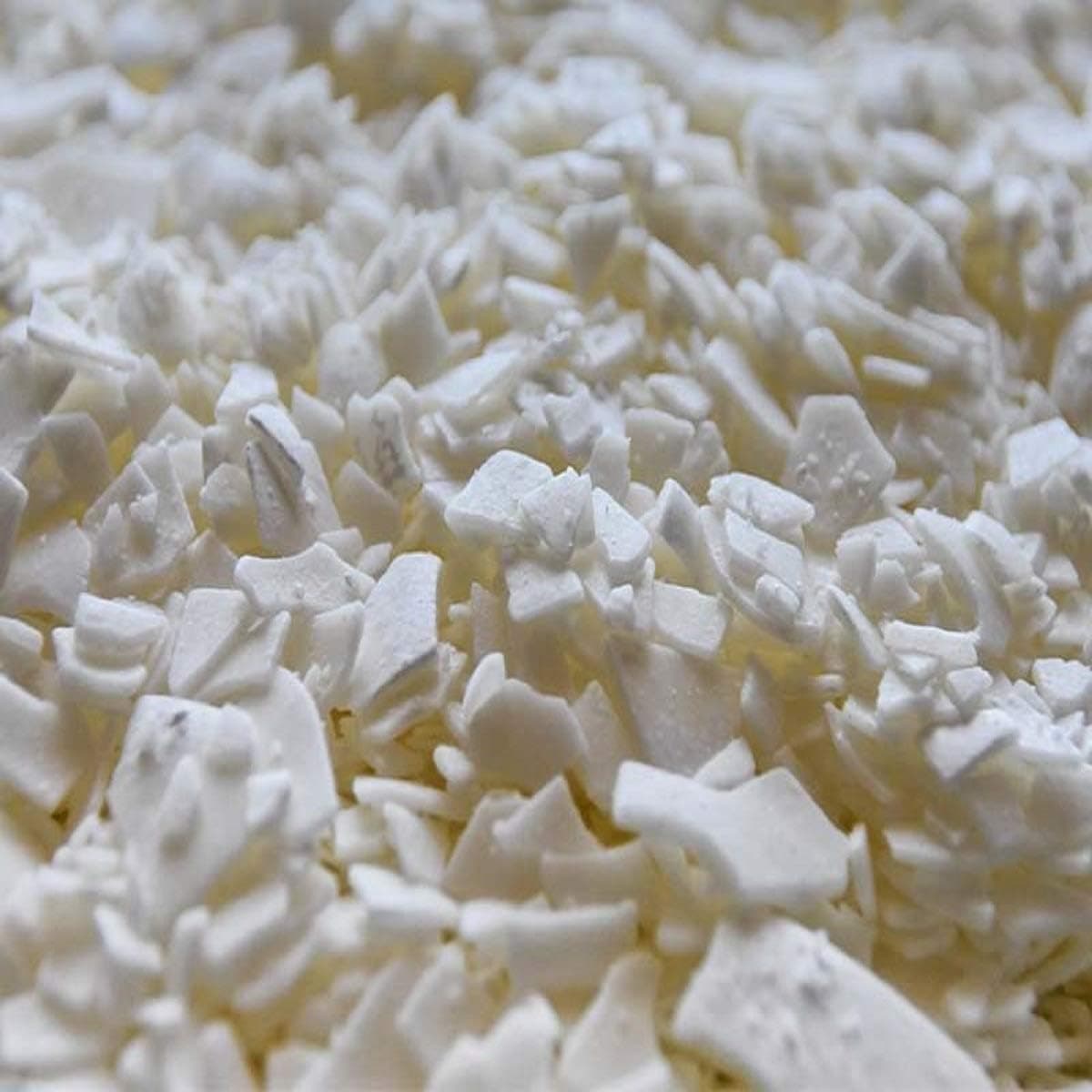
A 45 LB case of Coconut 86 coconut soy wax flakes for candle businesses pouring jars and tarts at volume.
Price range: $ (Budget)
What we liked
- + 45 LB case brings the lowest cost per pound in the Coconut 86 range
- + Consistent blend across a large case keeps product lines uniform
- + Good fit for sellers offering both candles and wax melts
Trade-offs
- - Big upfront cost before you confirm the blend suits your jars
- - Soft wax needs cool storage so the case does not soften in summer
Who this case size is really for
Coconut 86 is a coconut and soy wax blend sold in flake form, and the 45 LB case is the largest pack size in the line, sitting above the 5, 10 and 20 LB options from the same maker. That scale only makes sense once you already pour with this wax regularly, because buying a whole case before testing your fragrance oils and containers in it means committing a lot of money to an unverified combination. For a home candle business filling dozens of jars a week, or a market vendor stocking up before a busy season, the case format keeps the cost per pound down and means fewer reorders mid batch. Anyone still figuring out their recipe, wick size or preferred jar should buy the 5 or 10 LB bag of the same Coconut 86 wax first, confirm it performs the way they want, then move up to this case once the formula is locked in.
What the coconut soy blend brings to a pour
Coconut 86 blends coconut wax with soy wax and ships as pre-broken flakes rather than a solid block, so there is no chopping before it goes in the melter. The maker's own guidance for this wax line calls for a fragrance load of roughly 8 to 12 percent, or up to about 2 ounces of fragrance oil per pound of wax, which lines up with typical coconut soy blends and gives a workable starting point for testing scent throw. Coconut soy blends are generally valued for good jar adhesion, meaning containers usually do not need to be preheated before the pour, which saves a step on a production day. Because this is a soft, low melt point wax typical of coconut blends, it pairs well with wood or cotton wicks sized for soy candles rather than the smaller wicks used for harder paraffin blends.
Storing and working through a 45 LB case
A case this size needs a dedicated storage spot, ideally a cool room out of direct sun, since coconut soy blends soften more easily in heat than straight soy or paraffin waxes and a hot garage or car trunk can turn flakes into a solid clump. Plan to melt in manageable batches rather than the whole case at once, weighing out what a session needs and resealing the rest. Because the flakes come pre-broken, measuring by weight for a fragrance and dye test batch is simple before scaling up to a full pour run. Many candle makers who work with coconut soy wax note that a short cure time after pouring, often a few days to a week, improves scent throw once the candle is burned, so build that into a production schedule if you are filling custom orders.
Trade-offs against smaller Coconut 86 sizes and rivals
The honest downside of the 45 LB case is that you cannot sample it before buying, so if your jars, wicks or fragrance oils do not suit this exact blend, a lot of wax sits unused. The 20 LB and 10 LB bags of the same Coconut 86 wax let you test at a smaller scale first, and Direct Candle Supply's 10 lb coconut soy wax is a similarly rated alternative worth comparing on scent throw and surface finish. Against a straight soy wax, Coconut 86 tends to cost more per pound and needs cooler storage, but coconut soy fans usually pick it for a smoother top and stronger hot throw. If your priority is the cheapest possible base wax rather than a coconut blend specifically, a plain soy wax case will run less.
Verdict and who should look elsewhere
For an established candle seller who has already proven Coconut 86 works with their fragrance oils and jars, the 45 LB case is the obvious way to buy it, since it drops the cost per pound below the smaller bags in the same line. It is not the right first purchase for someone still choosing a wax, because there is no way to test a small batch before committing to the full case, and the soft wax needs cooler storage than harder blends. New candle makers, or anyone unsure this specific coconut soy blend suits their setup, should start with the 5 or 10 LB bag from the same maker and scale up only after a successful test pour.
Frequently asked questions
How many candles does a 45 LB case of Coconut 86 make?
It depends on jar size, but as a rough guide most crafters get well over 100 standard 8 ounce jar candles from 45 pounds of wax once wick, fragrance and any melt loss are factored in.
Do jars need to be preheated before pouring Coconut 86?
Coconut soy blends like this one are generally known for good jar adhesion without preheating, though testing your specific containers first is still the best way to confirm a clean finish.
What fragrance load should I start with?
The maker's guidance for this wax line points to roughly 8 to 12 percent fragrance oil, or up to about 2 ounces per pound of wax, as a starting point for testing scent throw.
How should I store a case this large?
Keep it in a cool, dry spot out of direct sunlight, since coconut soy blends soften more readily in heat than straight soy or paraffin wax.
Prices change often, so check the current price and availability on Amazon.
Check price on AmazonCandle Making Nest may earn a commission from the link above.