Small-Space Living Tips
Practical candle making advice: choosing a wax, sizing wicks, fragrance load, pouring temperatures, fixing tunnelling and frosting, and curing before you burn. the US. No fluff, just what works.
Candle Wax Chart
Melt points, recommended pour temperatures, and maximum fragrance loads for soy, paraffin, coconut, beeswax, and blends.
How to Blend Fragrance Oils for Fall and Holiday Candles
Create cosy autumn and winter candle scents by blending fragrance oils. Popular blend ideas, simple ratios, fragrance load limits and how to test before a holiday batch.
Why Your Candle Flame Is Tiny or Keeps Going Out
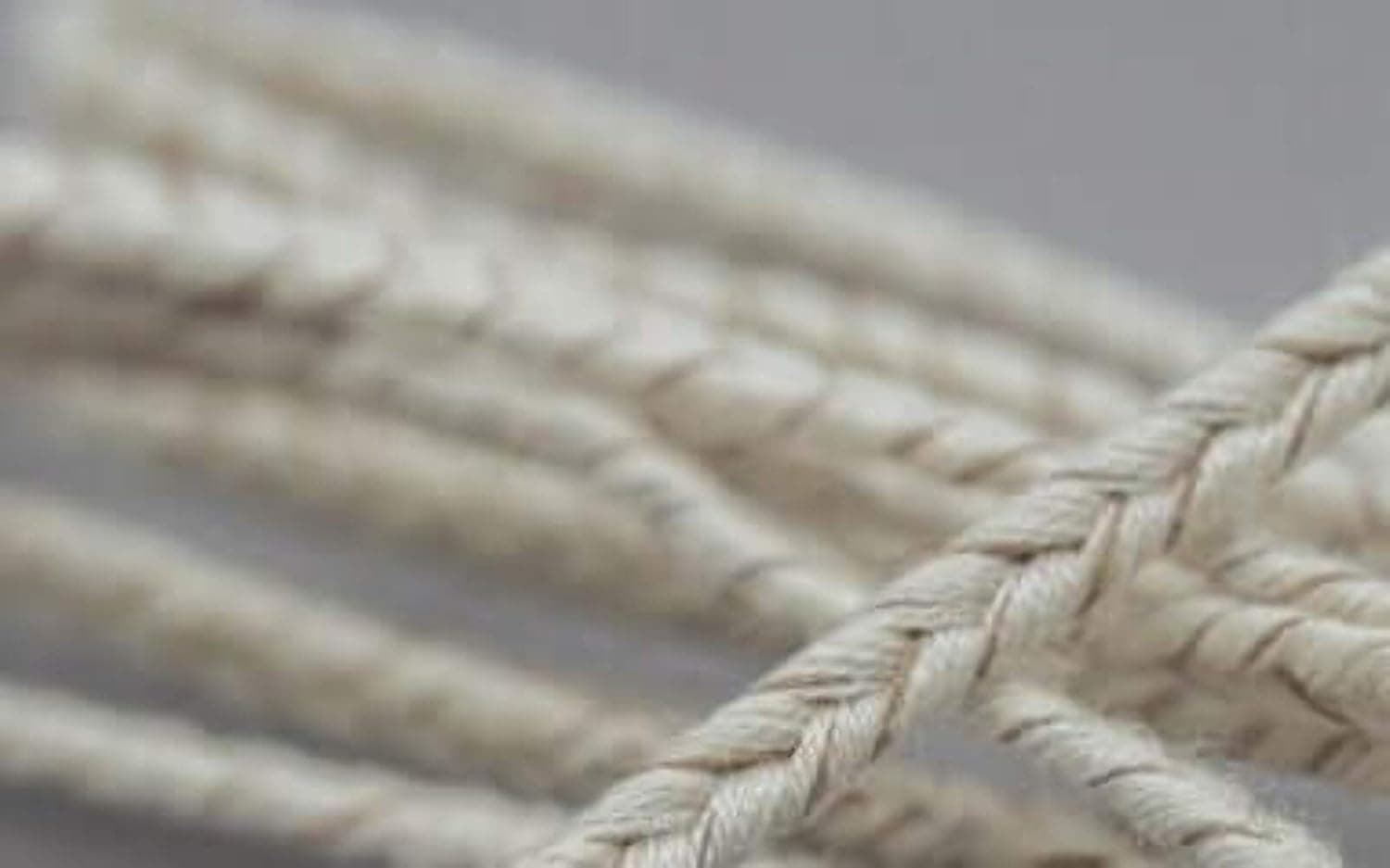
A tiny flame or a wick drowning in wax usually means an undersized or clogged wick. How wick size, trimming, fragrance and wax type affect flame size.
Why Candles Discolour and How to Keep Colours True
White candles turning yellow and dyed candles fading usually come from vanillin fragrances, UV light, heat or old wax. How to prevent and manage discolouration.
How to Stop Candles From Sooting and Mushrooming
Black smoke, soot on jars and carbon balls on the wick usually mean the wick is too large or untrimmed. How wick size, fragrance load, drafts and trimming fix it.
Pricing Handmade Candles Without Underselling Yourself
A practical framework for pricing handmade candles: counting true costs, including your labour, setting wholesale and retail prices, and testing the market.
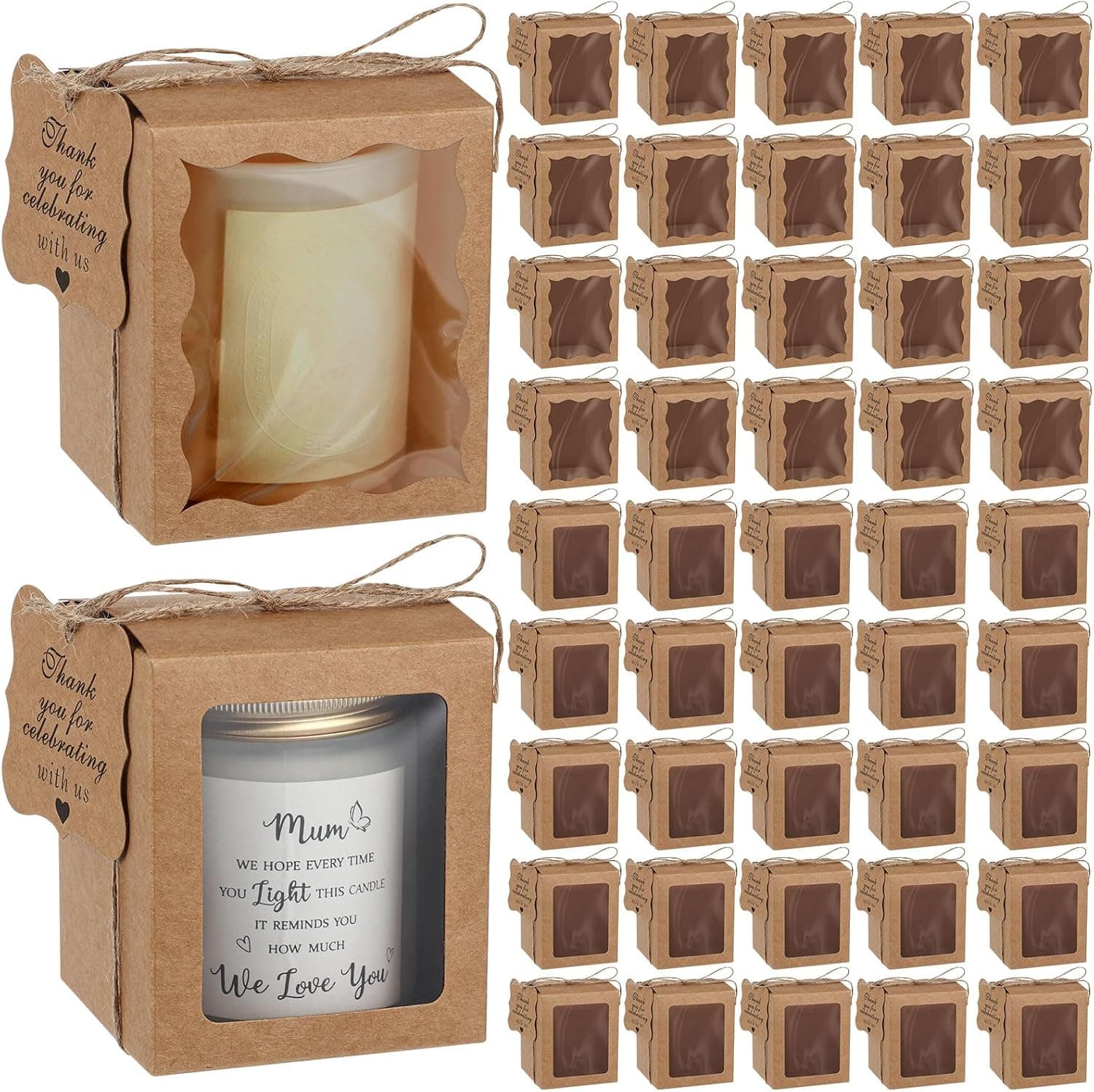
Packaging Candles for Shipping Without Breakage
How to pack candles so they arrive intact: box sizing, void fill, protecting the wax surface, temperature risks in transit, and cutting damage claims.
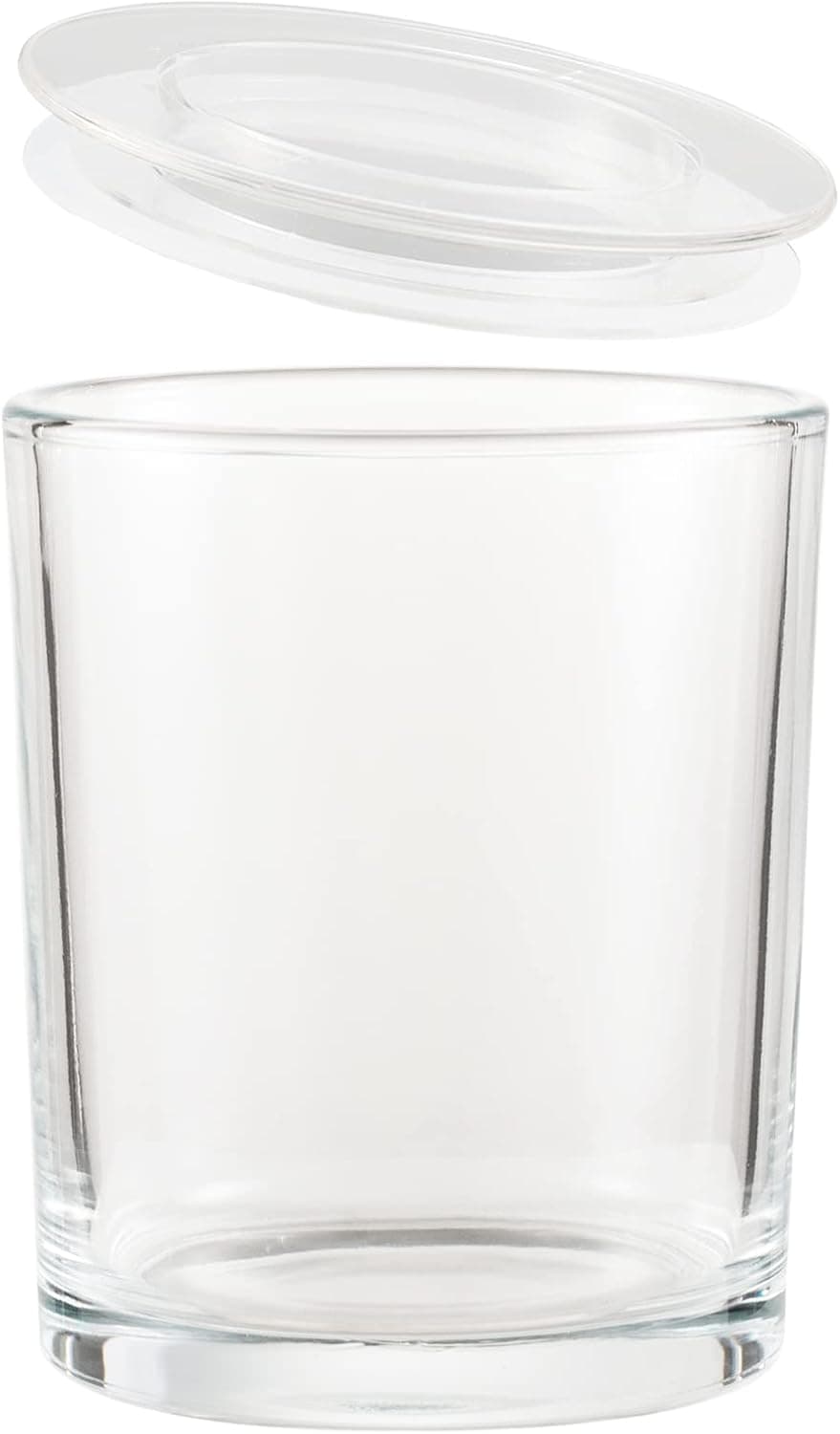
Labeling Candles for Sale
What goes on a candle label and a warning label, how to lay it out so it survives handling, and why you must check your own local rules before selling.
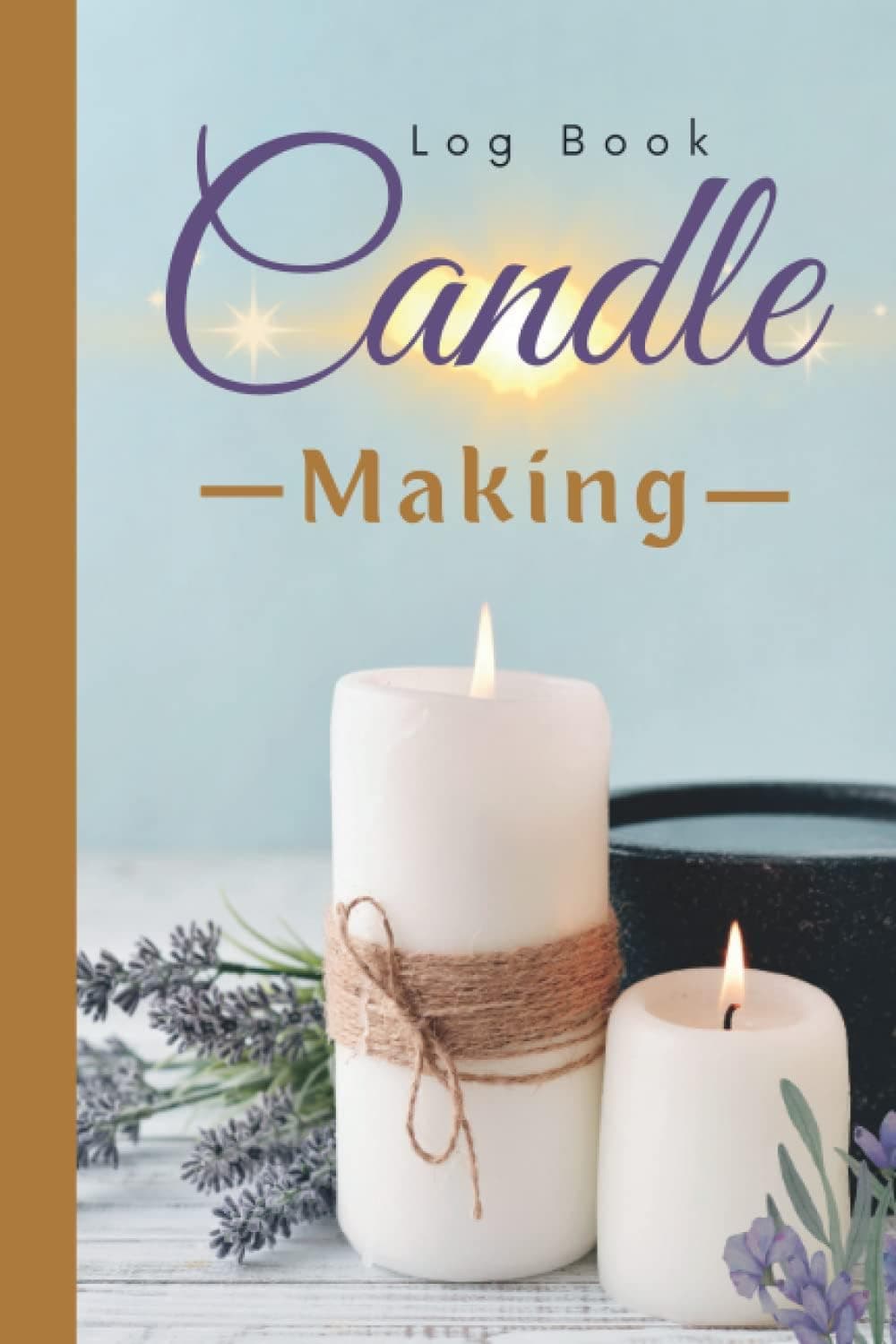
Burn Testing a New Candle Recipe From Start to Finish
A complete burn testing protocol for a new candle recipe: what to test, how many cycles, what to record, pass and fail criteria, and how to document results.
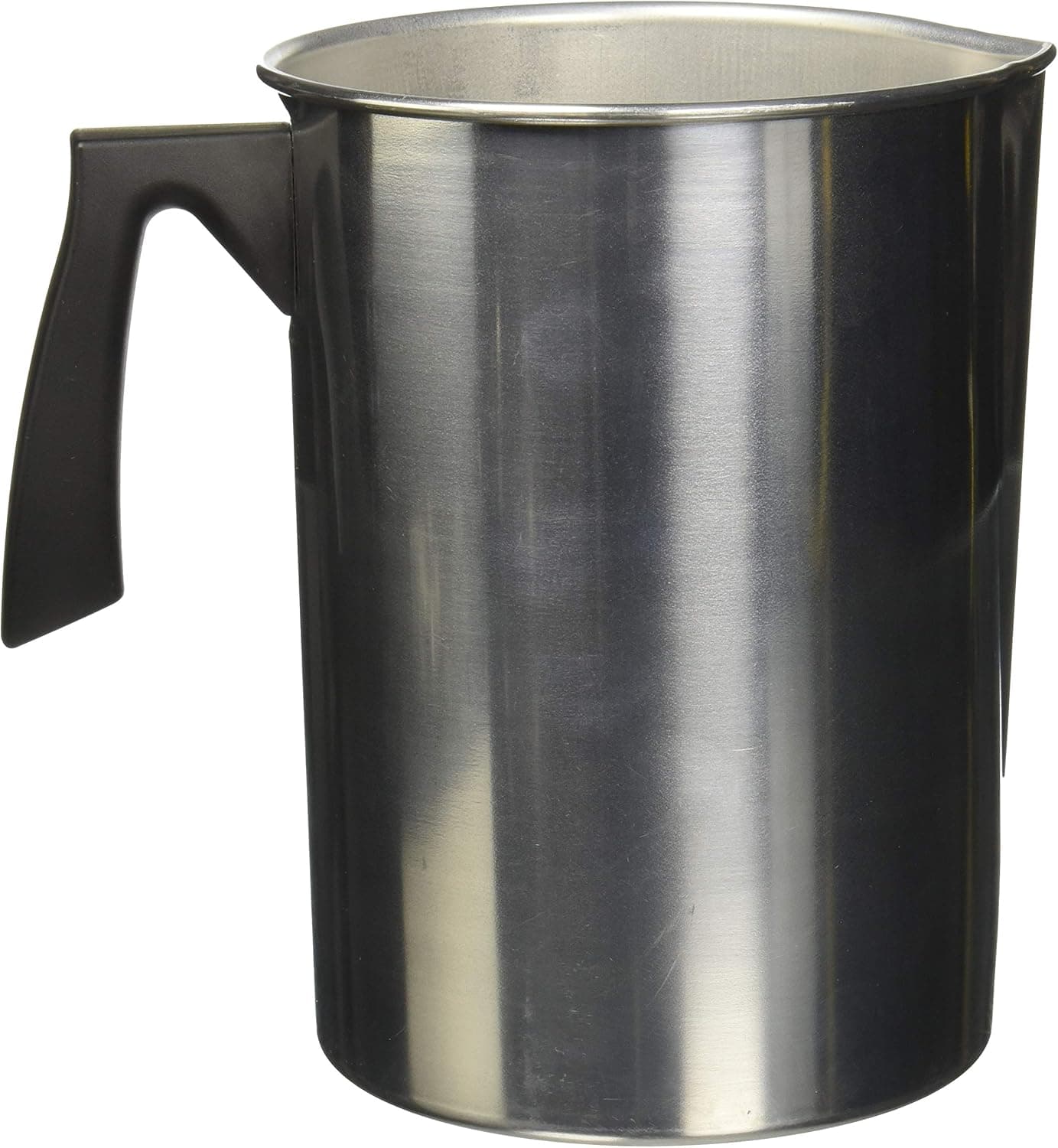
Cleaning Up Wax Spills and Candle Making Tools
Practical cleanup for candle makers: rescuing spills on surfaces and fabric, cleaning pitchers and moulds, and why wax must never go down the drain.
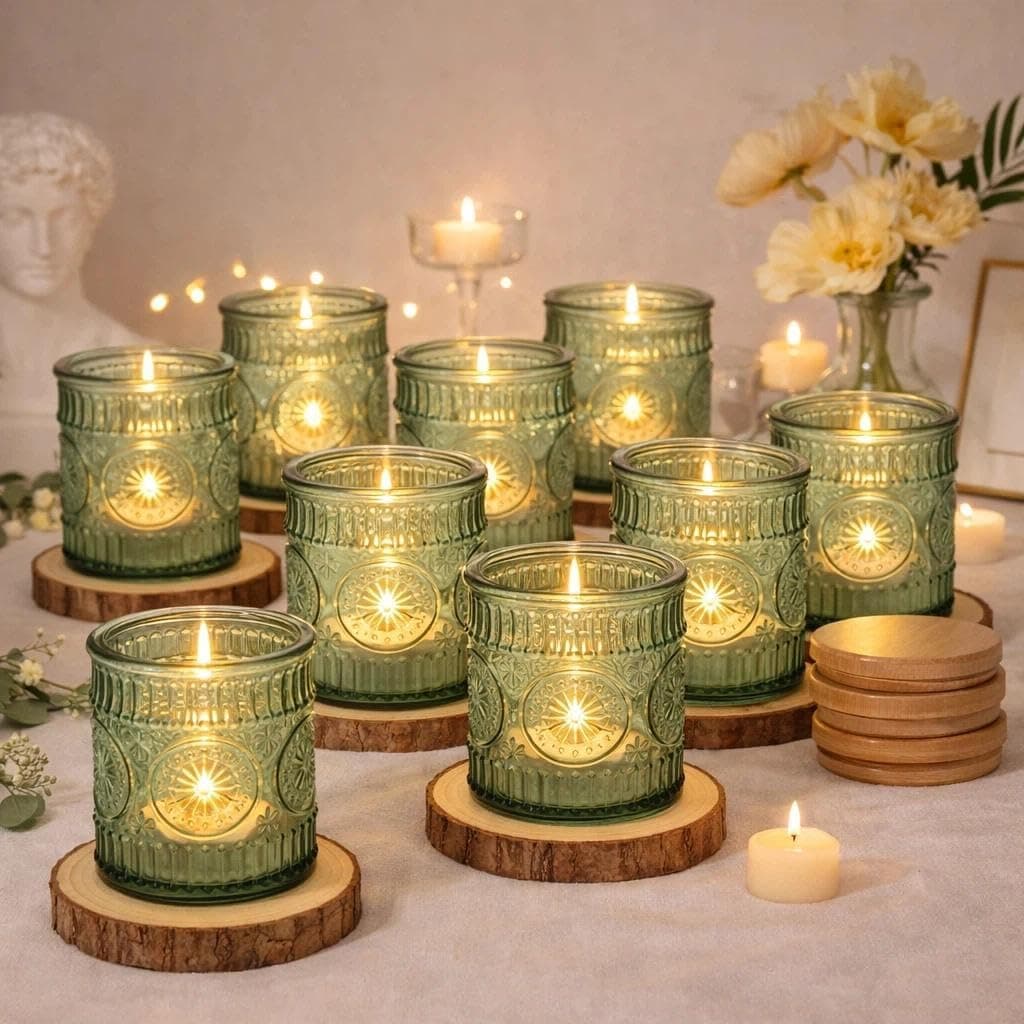
Choosing Safe Vessels for Container Candles
How to judge whether a jar, tin or ceramic is safe for candles: glass type, thickness, shape, heat behaviour, and the vintage containers you should avoid.
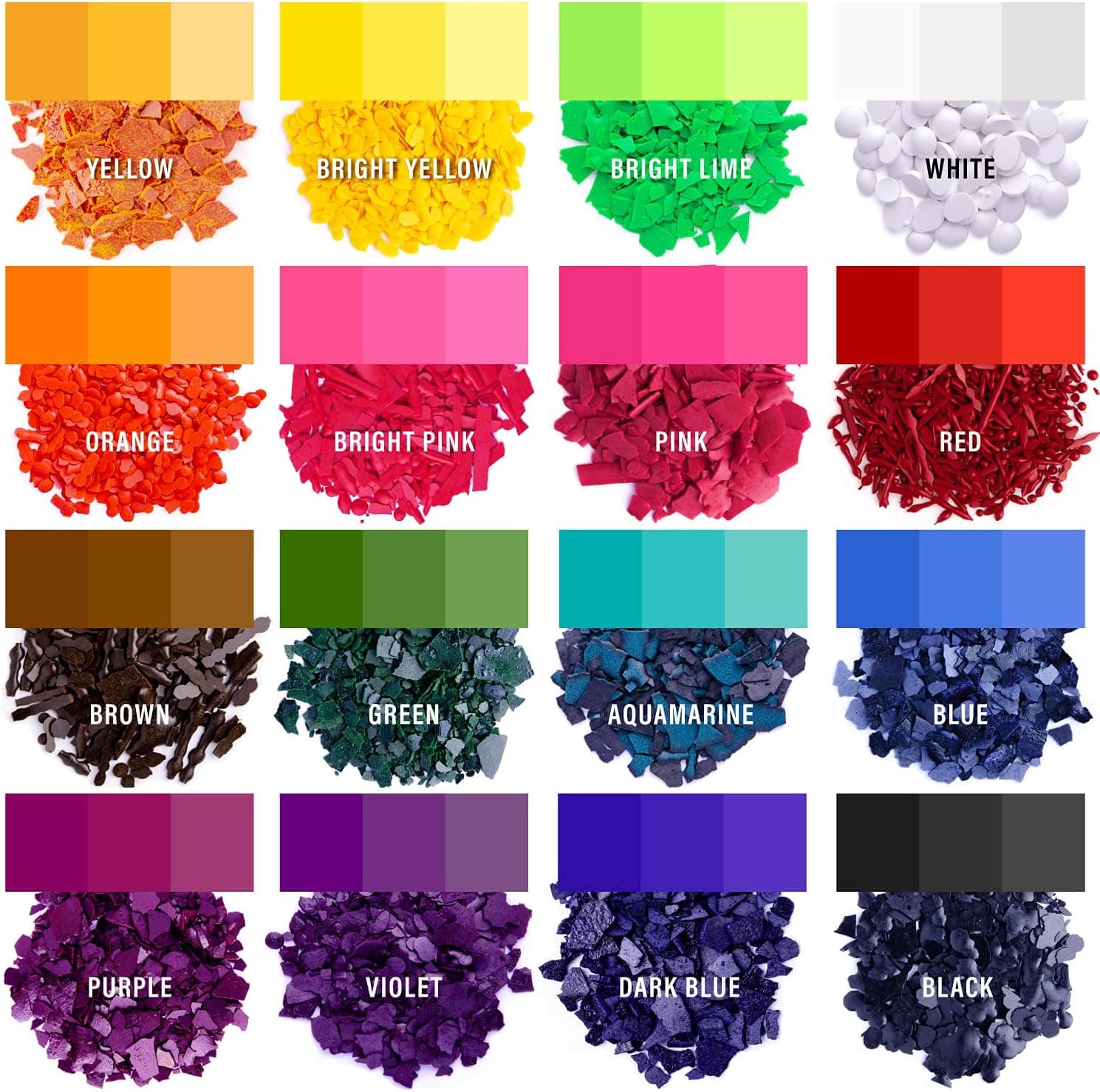
Dyeing Candles Evenly
How to colour candles evenly with liquid dye, chips or blocks, why crayons never work, and how dye affects frosting, burning and long-term colour stability.
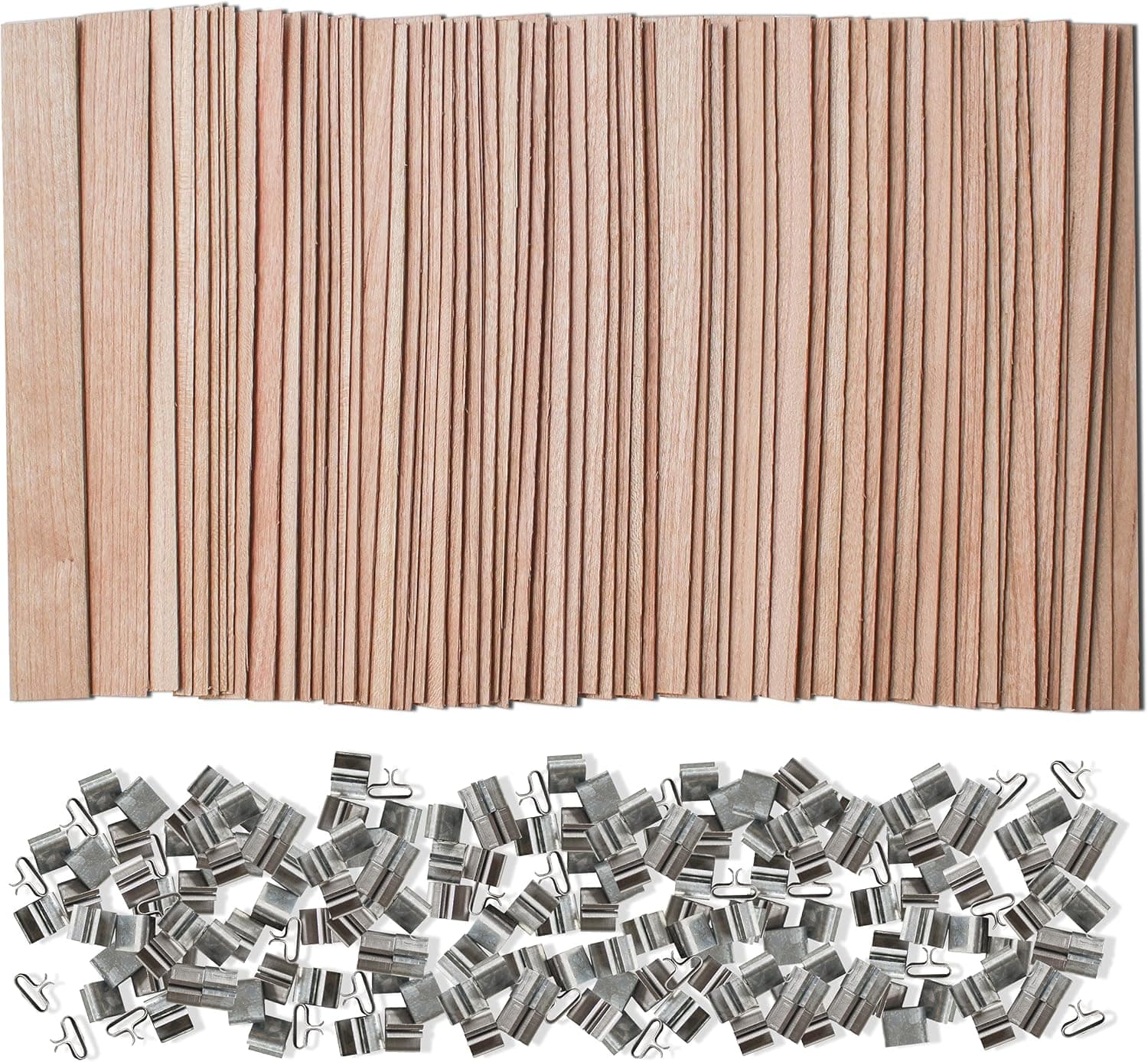
Working With Wooden Wicks
Wooden wick basics for makers: choosing thickness and type, why they go out, correct trimming, priming, and how they differ from cotton in wicking and testing.
Making Taper Candles by Dipping and Moulding
How to make taper candles at home, comparing hand dipping and moulding, with guidance on wax hardness, wick choice, straightening and safe burning.
Making Pillar Candles That Release Cleanly and Burn Straight
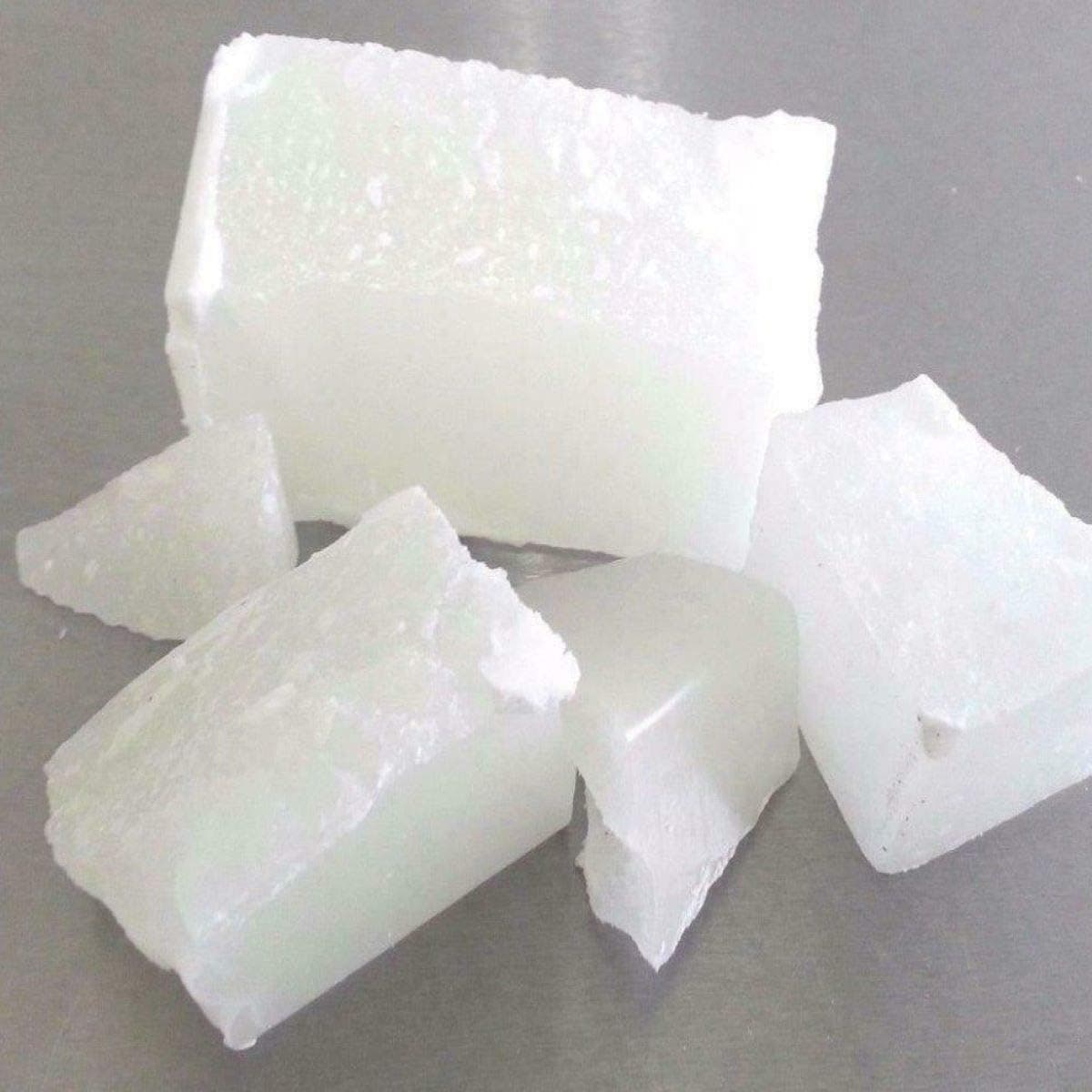
A working guide to pillar candles: choosing a pillar wax, preparing moulds, wicking, cooling slowly, and avoiding cracks, dents and uneven burning.
Making Wax Melts
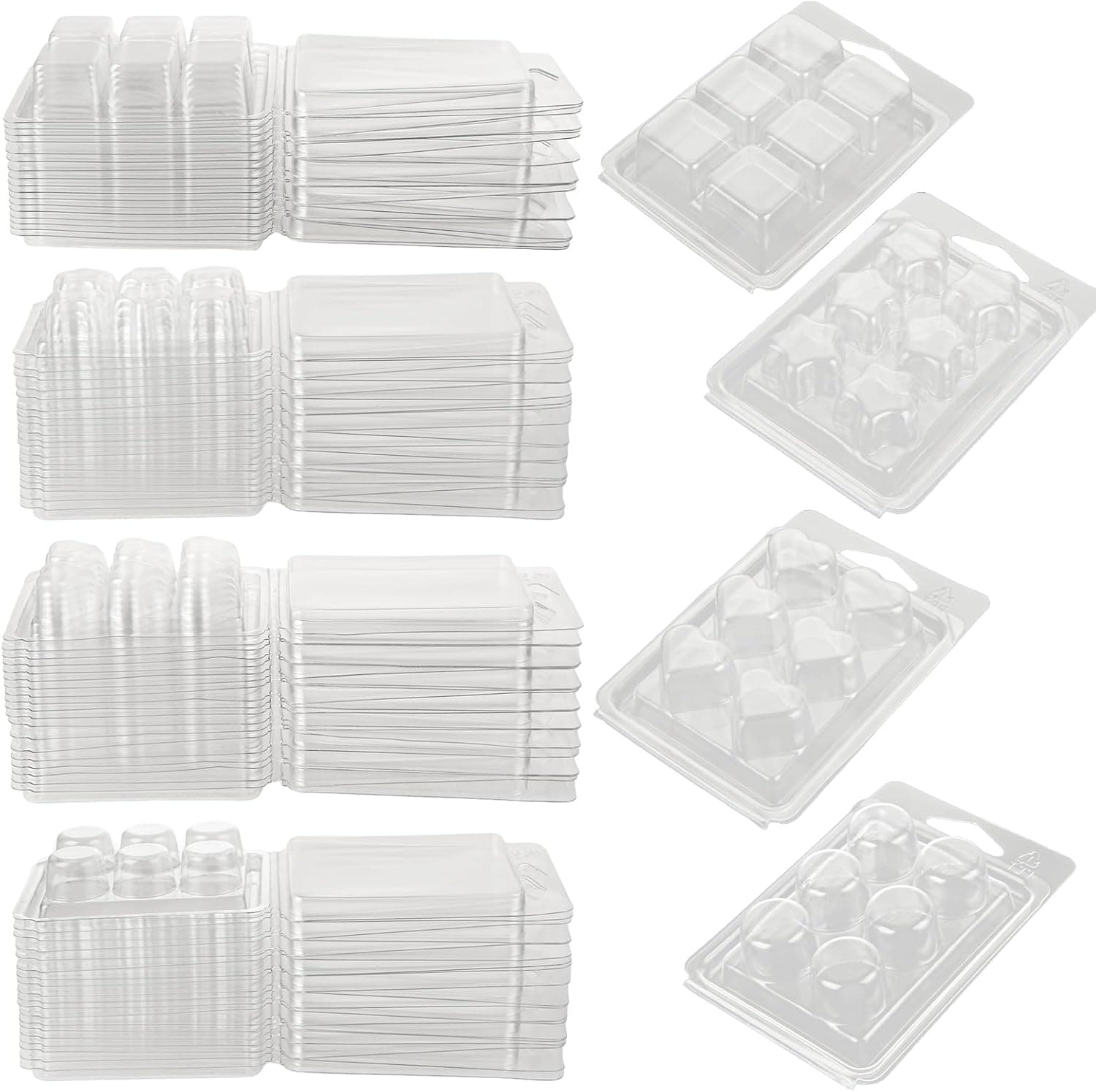
How to make wax melts that release scent well and pop cleanly from the mould, including wax choice, fragrance load, cooling, curing and packaging basics.
Getting a Strong Hot Throw From Your Candles
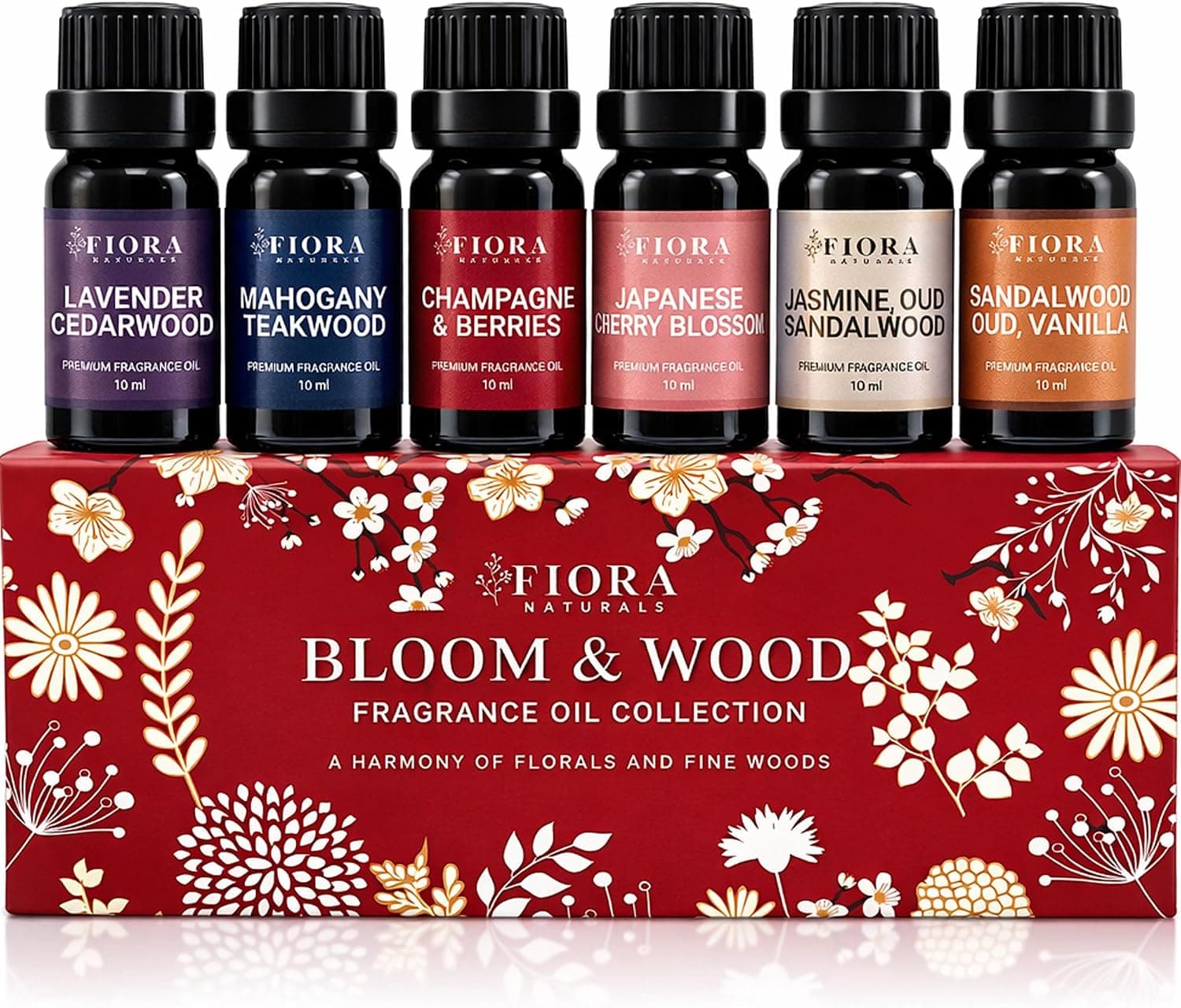
Hot throw depends on far more than fragrance percentage. Here is the full checklist of variables that control scent in a room, in the order worth checking.
Fixing Sinkholes and Craters in Candles
What causes sinkholes and cratered tops in candles, how to do a proper top-up pour, and the cooling and pouring changes that prevent them in the first place.
Fixing Frosting and Wet Spots in Container Candles
Why soy candles frost and why wax pulls away from glass, why both are cosmetic, and the practical steps that reduce them without changing your whole recipe.
Fixing Tunnelling in Candles
Why candles tunnel, how to tell a wicking problem from a user habit problem, how to rescue a tunnelled candle, and how to stop it happening in the next batch.
Curing Candles Before Burning
What curing actually does to a candle, realistic cure times by wax type, how to store candles while they cure, and how to test whether cure time is helping.
When to Add Fragrance Oil to Melted Wax
The right temperature and moment to add fragrance oil to candle wax, why stirring time matters, and what goes wrong when you add it too hot or too cool.
Fragrance Load and How Much to Use in a Candle
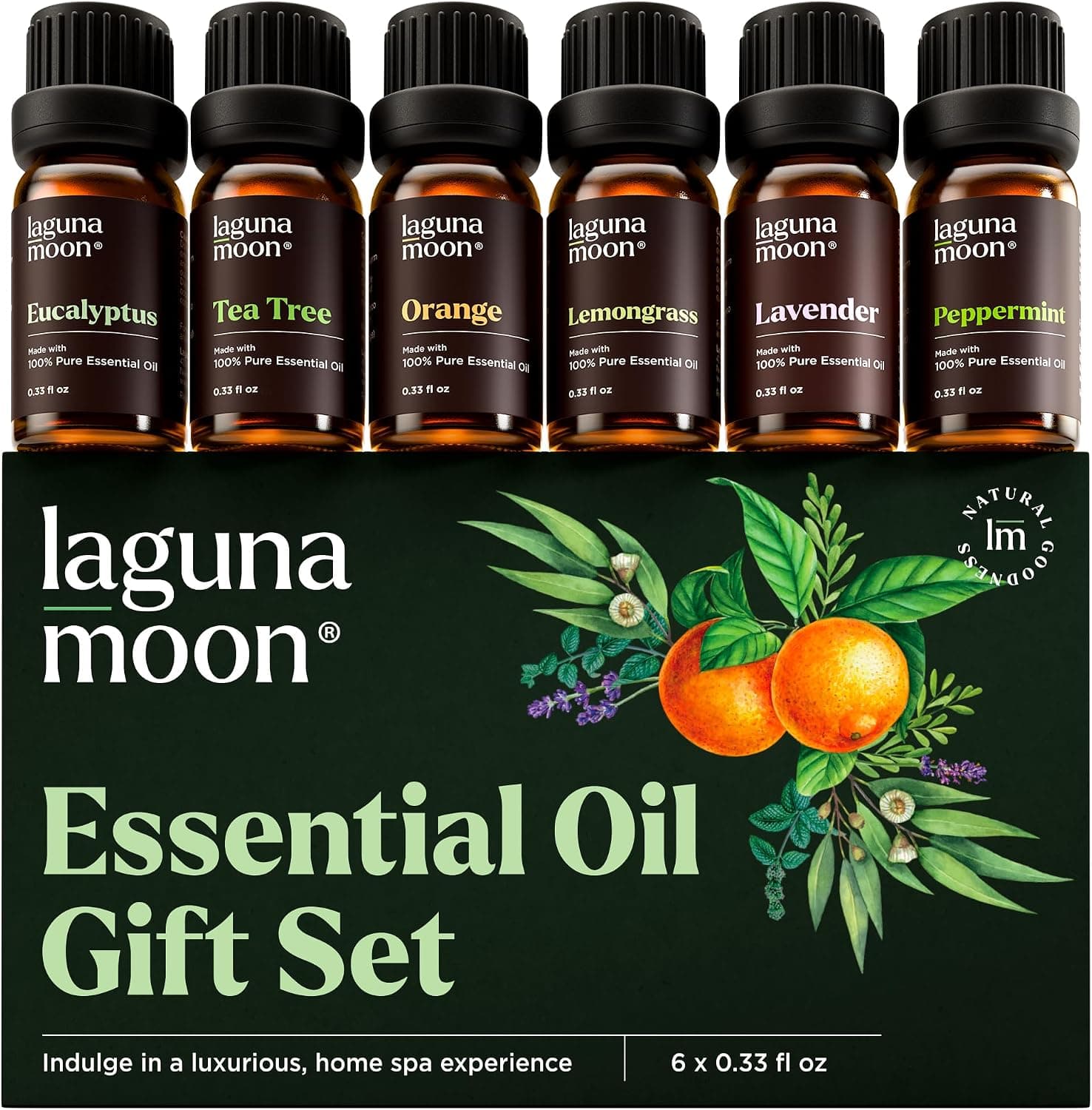
How to calculate fragrance load, why more oil is not always more scent, and how to find the percentage that works for your wax without ruining the burn.
Pouring Temperatures Explained
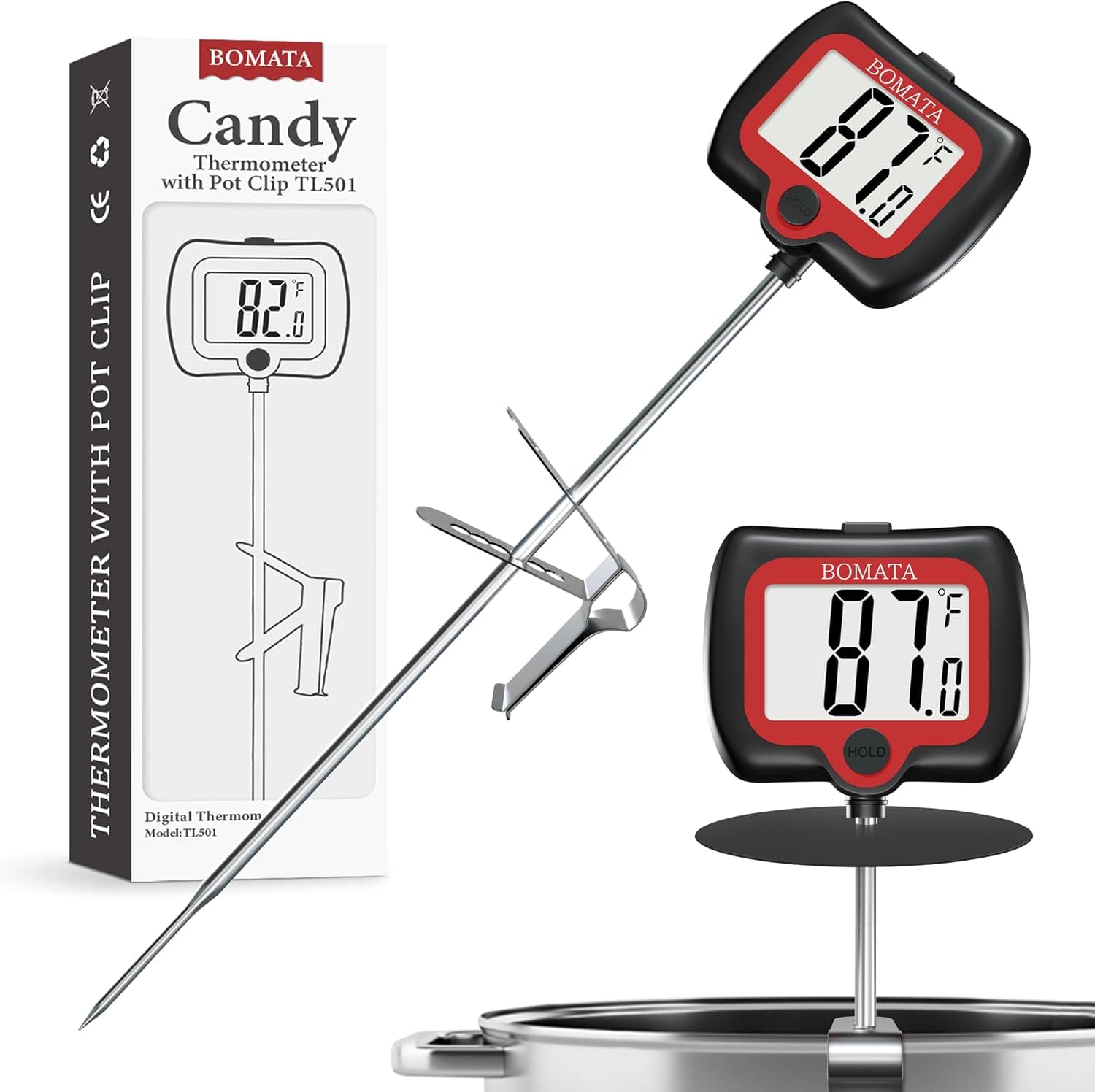
What pour temperature actually controls, how it affects tops, adhesion, frosting and sinkholes, and how to find the right window for your wax and your room.
Why Wick Testing Matters More Than Any Other Step
Wick testing is what separates a safe, well-burning candle from a hazard. Here is what a proper test looks like, what to record, and how long it really takes.
How to Size a Wick
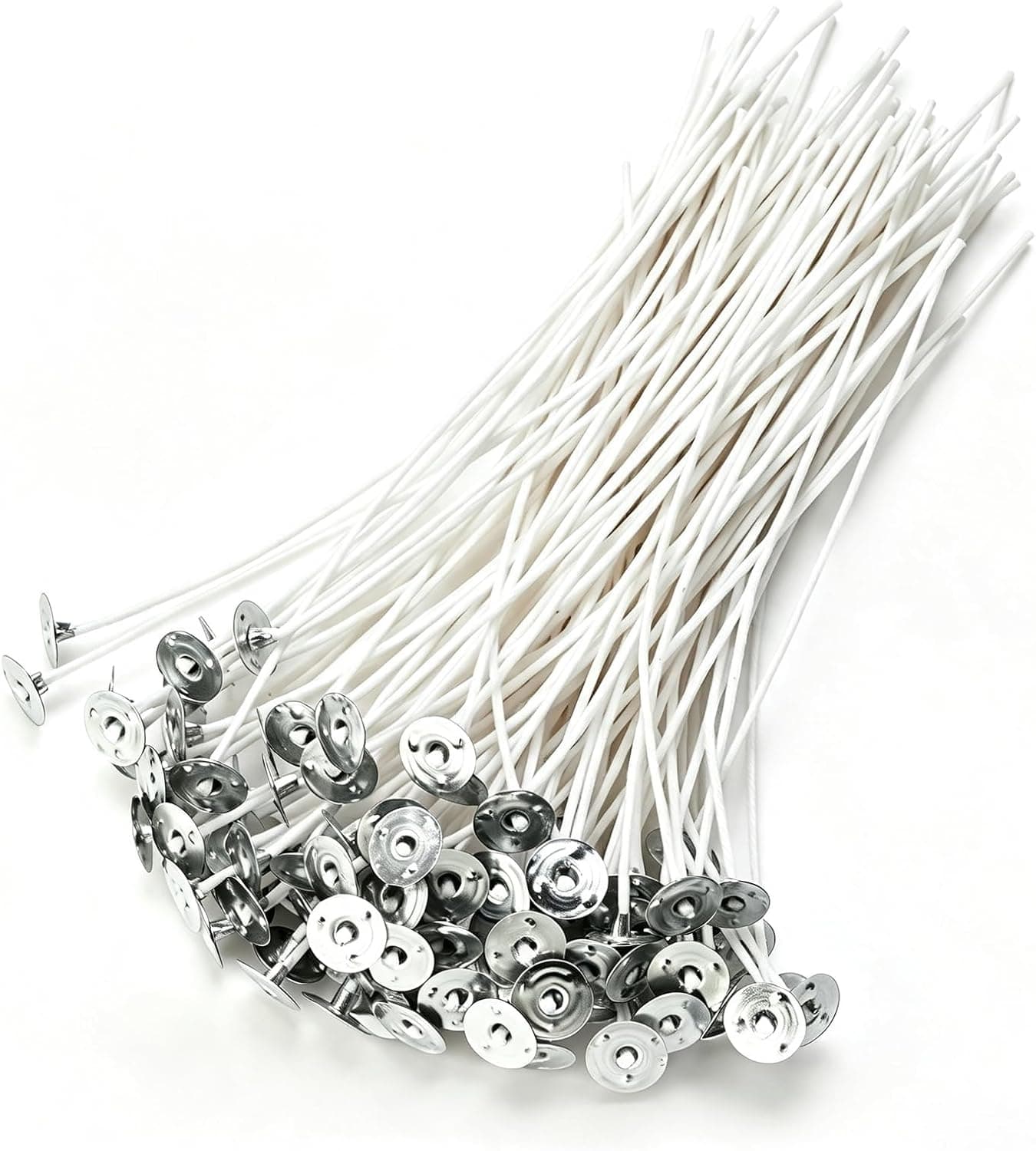
A step-by-step method for sizing candle wicks by vessel diameter, wax type and fragrance load, plus how to read a burn and adjust up or down with confidence.
Soy vs Beeswax vs Coconut Wax
Soy, beeswax and coconut wax compared on burn behaviour, scent throw, appearance, cost and difficulty, with practical notes on blending them for better results.
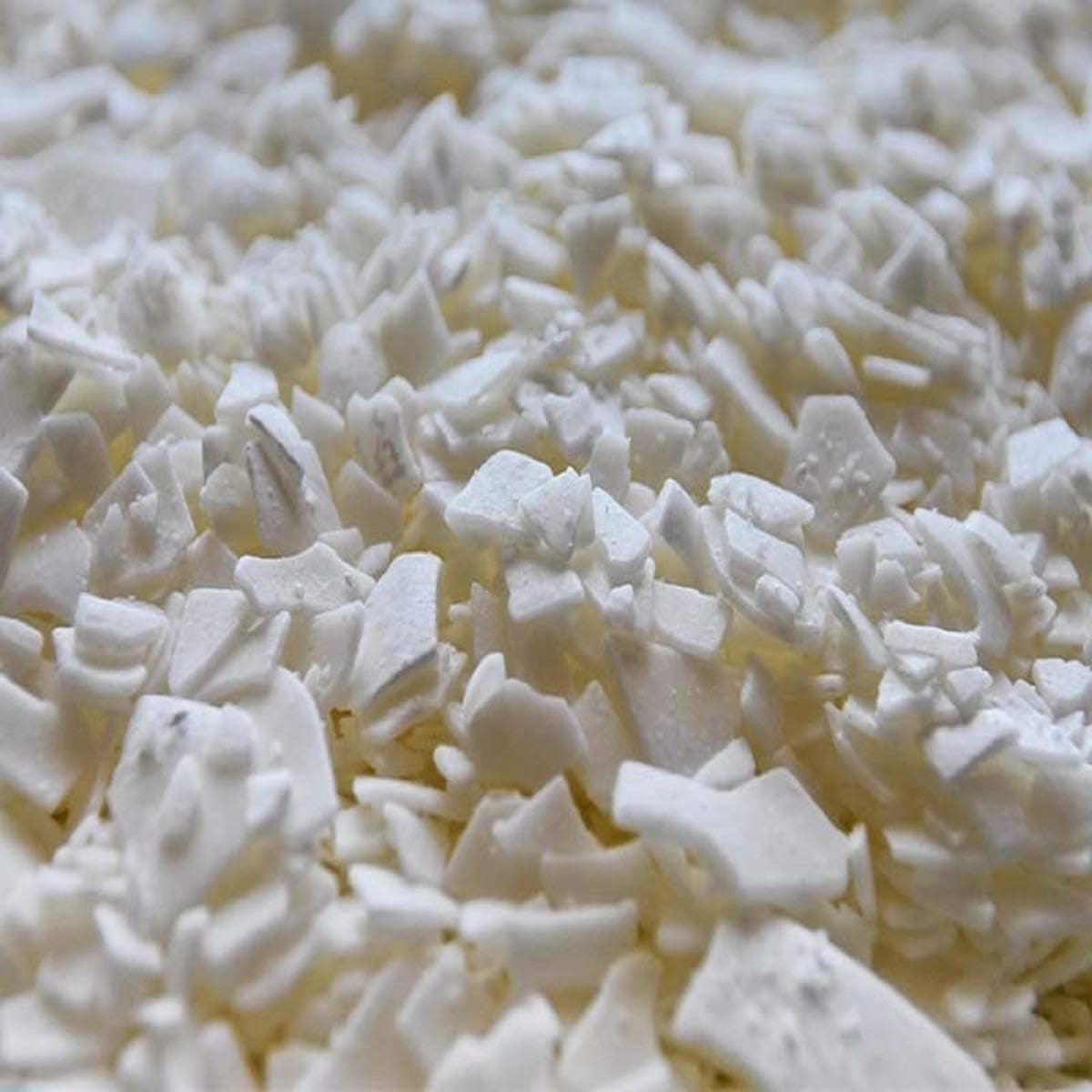
Choosing a Wax for Your First Candle
How to pick a first candle wax without wasting money. Container versus pillar blends, why single-pour waxes help beginners, and questions to ask before you buy.
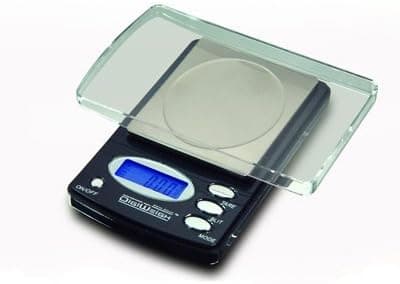
Getting Started With Candle Making
A practical guide to your first candle: the small kit that actually matters, a simple workflow, safety habits, and how to avoid the usual beginner mistakes.