Vybar 103 Wax Additive for Candle Making - 6 lb Candle Wax Modifier for Pillars, Votives, and Molded Candles - Candle Making Supplies Review (2026)
Updated September 14, 2026 · Research-based review
Our verdict
Vybar 103 is a purpose-built additive for high melt point paraffin used in pillars, votives and molded candles, and this 6 lb bag suits a maker running regular production rather than the occasional hobby pour. It is the wrong additive for soft soy container wax, so buyers should confirm their wax type before adding it to a cart.
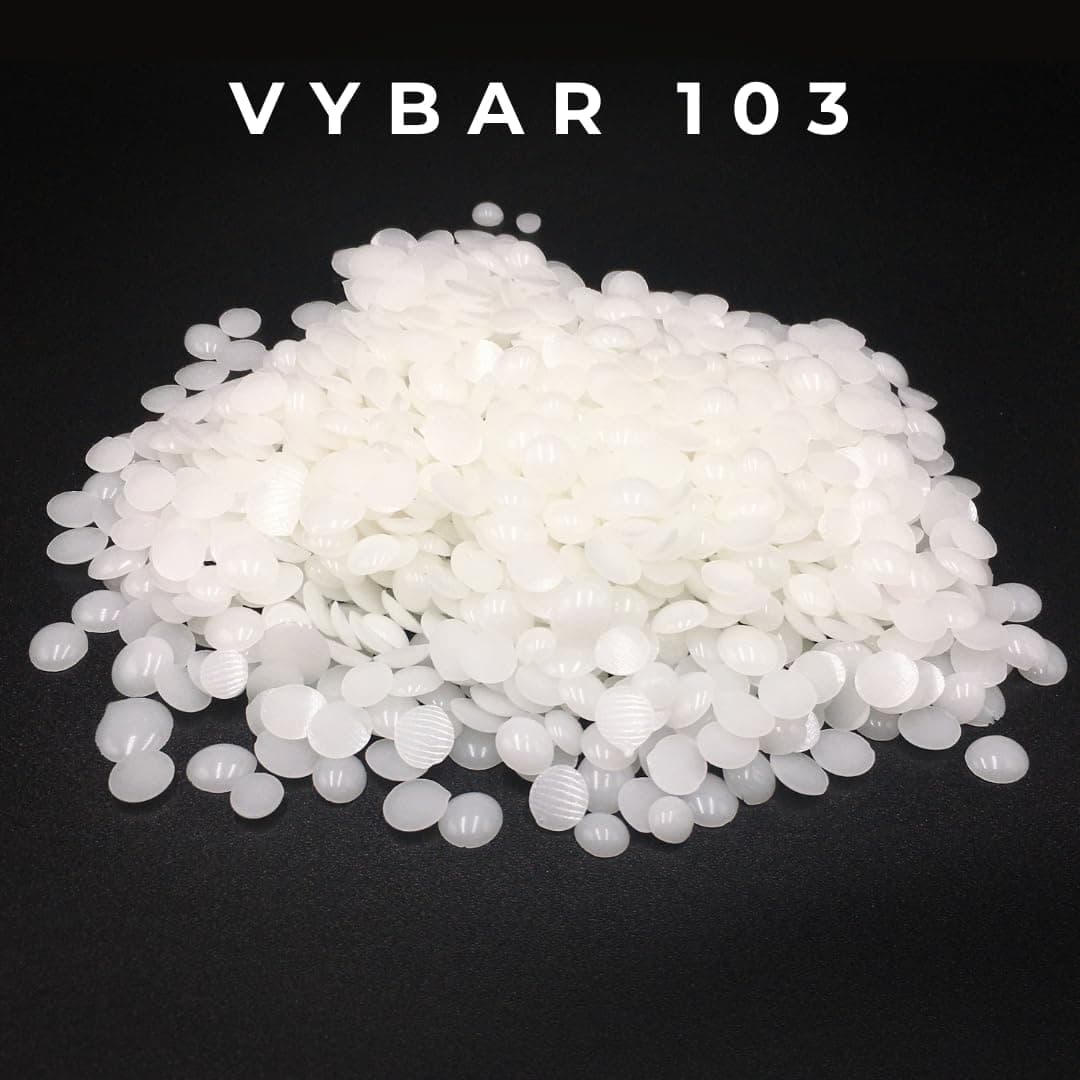
Vybar 103 wax additive in a 6 lb bag, a modifier for pillars, votives and molded candles in paraffin.
Price range: $ (Budget)
What we liked
- + Vybar 103 improves scent retention in high melt paraffin
- + 6 lb bag suits production pillar and votive makers
- + Reduces mottling and bubbles in molded candles
Trade-offs
- - Designed for high melt waxes, not soft container soy
- - Large quantity lasts a very long time at low use rates
Who this additive is for
Vybar 103 is aimed at candle makers working with paraffin waxes that have a melt point above 130 degrees Fahrenheit, the kind typically used for free-standing pillar, votive, and molded candles that need to hold their shape without the support of a jar. This is not a soy container wax additive, so the buyer profile here is a maker or small manufacturer already working in higher melt point paraffin, not a beginner pouring their first soy jar candle. Because it comes in a 6 lb bag, this size suits a maker with a recurring production schedule, someone pouring pillar or votive batches regularly enough to work through several pounds over a season, rather than a hobbyist who might only need a pound or two to last years at typical hobby-scale usage rates.
What the additive actually does
According to a specialty candle supply retailer, Vybar 103 has a melt point around 150 degrees Fahrenheit and is used at a rate of about 0.5 to 2 percent of total wax weight, with the exact amount influenced by how much fragrance oil is also going into the batch. Its main functions are eliminating bubbles and mottling on the candle's surface, acting as an oil binder that keeps fragrance oil from migrating or separating out of the wax over time, and improving how evenly dye disperses through a poured batch. The retailer also notes it helps candles accept a higher fragrance load without that fragrance separating out, and that it reduces surface flaws that would otherwise show up as production rejects in a commercial run. These are all technical, structural benefits rather than scent or color changes on their own, since Vybar itself does not add fragrance or color to a candle.
Using Vybar 103 in a real batch
In practice, Vybar 103 chips are melted into the wax at pour temperature before fragrance and dye are added, at the 0.5 to 2 percent rate by total wax weight recommended by candle supply retailers, with makers typically starting at the lower end and adjusting upward if mottling or bubbling persists in a test pour. Because the additive raises the wax's structural integrity rather than its melt point in a simple linear way, a small test batch is worth running before committing a full 6 lb bag's worth of wax to a new fragrance or dye combination, since fragrance load and additive rate interact. For makers, the 6 lb size means less frequent reordering than a 1 lb bag, which matters for anyone running a repeatable product line where running out mid-batch would stall production.
How it compares with the low melt point version
The most important comparison for any buyer is not against a different brand but against Vybar 260, sold in this same guide, which is formulated specifically for container candles and low melt point waxes below 130 degrees Fahrenheit, the opposite use case from Vybar 103. Using the wrong version is one of the most common candle-additive mistakes, so buyers should confirm their wax's melt point before ordering either one. Against the smaller 1 lb and 0.5 lb Vybar 103 listings from other sellers, this 6 lb bag offers better cost per pound for anyone with ongoing production needs, while a hobbyist making only a handful of pillar candles a year would likely never work through 6 lb before the product's effectiveness or freshness could be in question.
Verdict and who should choose a smaller bag or the other formula
This 6 lb bag earns its our score of 8.4 out of 10 rating as a solid, correctly formulated additive for anyone regularly pouring high melt point pillar, votive, or molded candles, delivering fewer bubbles, better dye dispersion, and stronger fragrance retention at a fair cost per pound for that volume. It is the wrong purchase for soy or other low melt point container wax users, who should instead look at Vybar 260 in this guide. Hobbyists pouring only occasionally should also consider a 1 lb bag instead, since 6 lb represents a substantial supply that only makes sense with a genuine, recurring production schedule. Always weigh additive by percentage of total wax weight rather than guessing, and run a small test pour before scaling a new fragrance and additive combination to a full batch.
Frequently asked questions
What wax types is Vybar 103 meant for?
It is formulated for paraffin waxes with a melt point above 130 degrees Fahrenheit, used in pillar, votive, and molded candles, not for soft soy container wax.
How much Vybar 103 should be added to a batch?
Specialty candle supply retailers recommend about 0.5 to 2 percent of total wax weight, adjusted based on fragrance oil load.
What does Vybar 103 actually improve in a finished candle?
It reduces bubbles and mottling, helps bind fragrance oil so it does not separate out, and improves how evenly dye spreads through the wax.
Is the 6 lb bag a good size for a beginner?
It suits a maker with regular production needs. A hobbyist pouring occasionally would likely be better served by a 1 lb bag instead.
Prices change often, so check the current price and availability on Amazon.
Check price on AmazonCandle Making Nest may earn a commission from the link above.