Choosing Safe Vessels for Container Candles
Published How we research
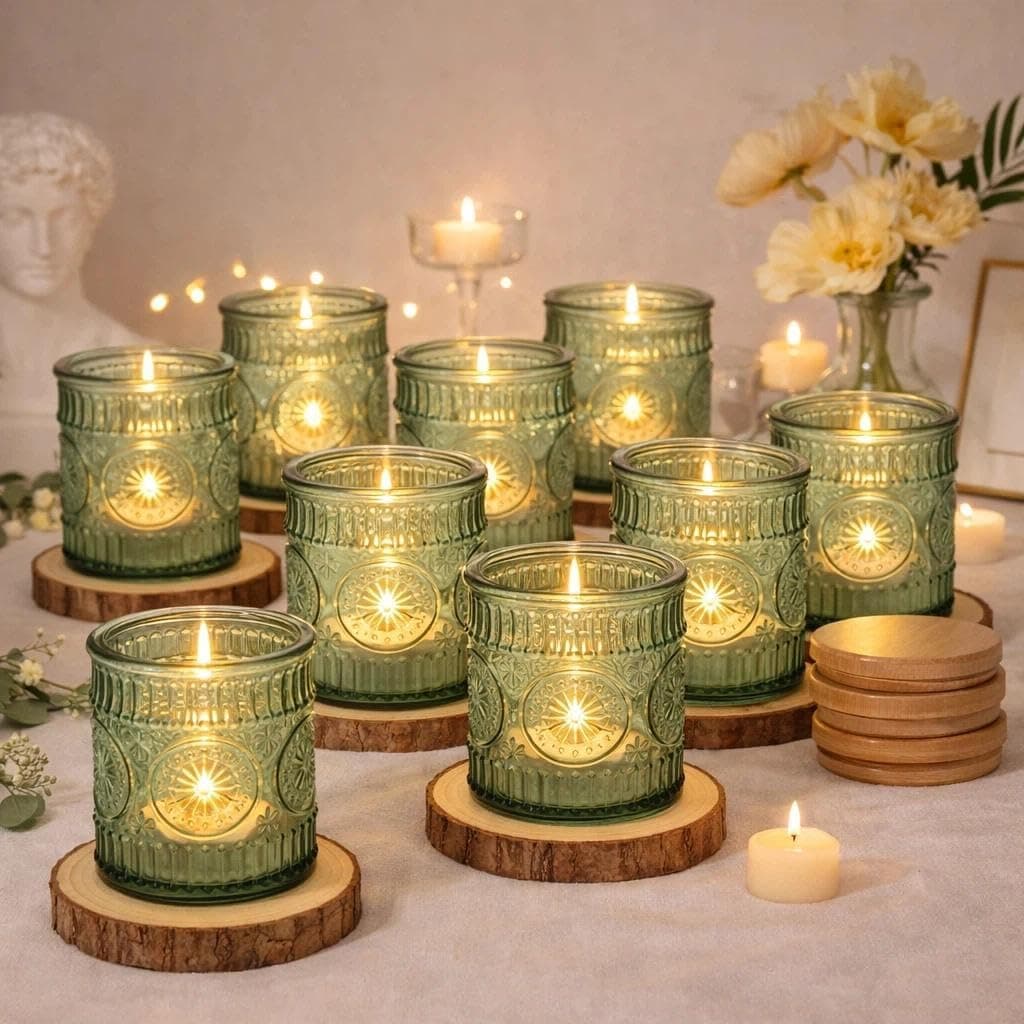
The vessel holds melted wax and an open flame for hours at a time, which makes it a safety component rather than a decorative one. Choosing it well is not complicated, but it does require rejecting some attractive options. The basic requirements are that the container is non-flammable, non-porous, heat resistant, stable on a flat surface, and shaped so that a wick can heat it evenly.
Glass is the most common choice and the most misunderstood. Ordinary thin decorative glass is not designed for sustained heat and can crack. Look for containers sold specifically as candle jars, which are typically annealed and thick enough to handle the thermal load. Thickness helps but does not guarantee safety on its own, and heavy uneven glass can actually create stress points. Buy from suppliers who state that the glass is intended for candles rather than repurposing whatever looks nice.
Ceramic works well provided it is fully glazed and non-porous. Unglazed or partly glazed earthenware can absorb wax and fragrance oil into the body of the vessel, which is both messy and a fire risk since the absorbed oil can wick through the wall. Check the base as well as the inside. Metal tins are safe and durable but conduct heat readily, so they become hot to the touch during a burn, which needs a warning on the label and a sensible wick that does not push the temperature further.
Shape matters as much as material. Straight-sided vessels are the easiest to wick because the melt pool diameter stays constant as the candle burns down. Tapered, curved and hourglass shapes change diameter with depth, so a wick sized for the top will be wrong lower down. Very wide shallow vessels usually need multiple wicks. Narrow necks restrict airflow to the flame and can cause the candle to burn poorly or the wick to drown. If a shape gives you trouble across several wick sizes, the shape is the problem.
Avoid a few specific things regardless of how good they look. Vintage and antique glassware was not made with modern thermal expectations and its history is unknown. Painted, printed or coated exteriors can blister or release fumes if they were not made for heat, so check that any decoration is rated for candle use. Wood, plastic and any porous natural material such as untreated shells or coconut husks used alone are not appropriate as the primary vessel. Anything with a lead or unknown glaze should be avoided for anything you sell.
Test every new vessel before it becomes a product. Run a full burn cycle down to the bottom of the candle, checking the outside temperature by hand at intervals, watching for any crack, discolouration or deformation, and paying particular attention to the last quarter of the candle when the flame sits closest to the base. Test on a heatproof surface and never leave the test unattended. If a vessel fails at any point, it fails as a product, even if it looked fine for the first ten hours.
Practical retail considerations follow from all this. Vessels with a wide flat base are more stable and less likely to be knocked over. Lids are useful for keeping dust off and for extinguishing, though customers should be told to let a candle cool before replacing a lid. Consistent supply matters too: if you build a product around a vessel that goes out of stock, you will have to retest with the replacement, because a small change in diameter or wall thickness changes the wick you need. Whichever vessel you choose, put clear guidance on the base label: burn on a heatproof surface, keep away from draughts, do not move while burning or while the wax is liquid, stop burning when a small amount of wax remains at the bottom, and never leave a burning candle unattended. Most container failures happen at the very end of a candle's life, which is exactly why that last instruction matters.
Products from this article
The highest-scoring picks from the buying guides mentioned above. Scores are our editorial assessment, not customer ratings.
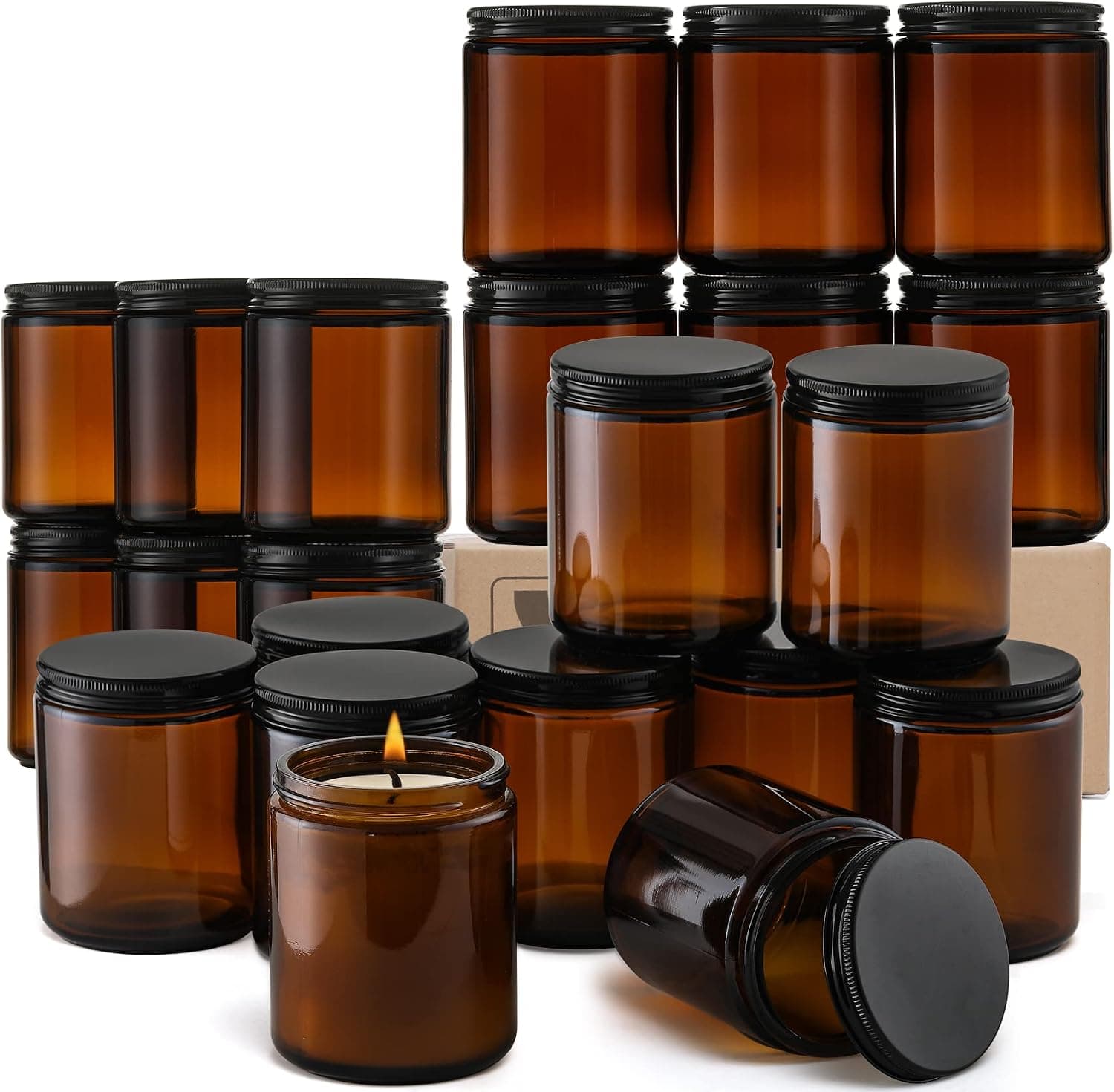
+ 24 pack of 8 OZ amber jars suits a steady candle line
From our guide: Best Teacup and Vintage Vessels for Candles
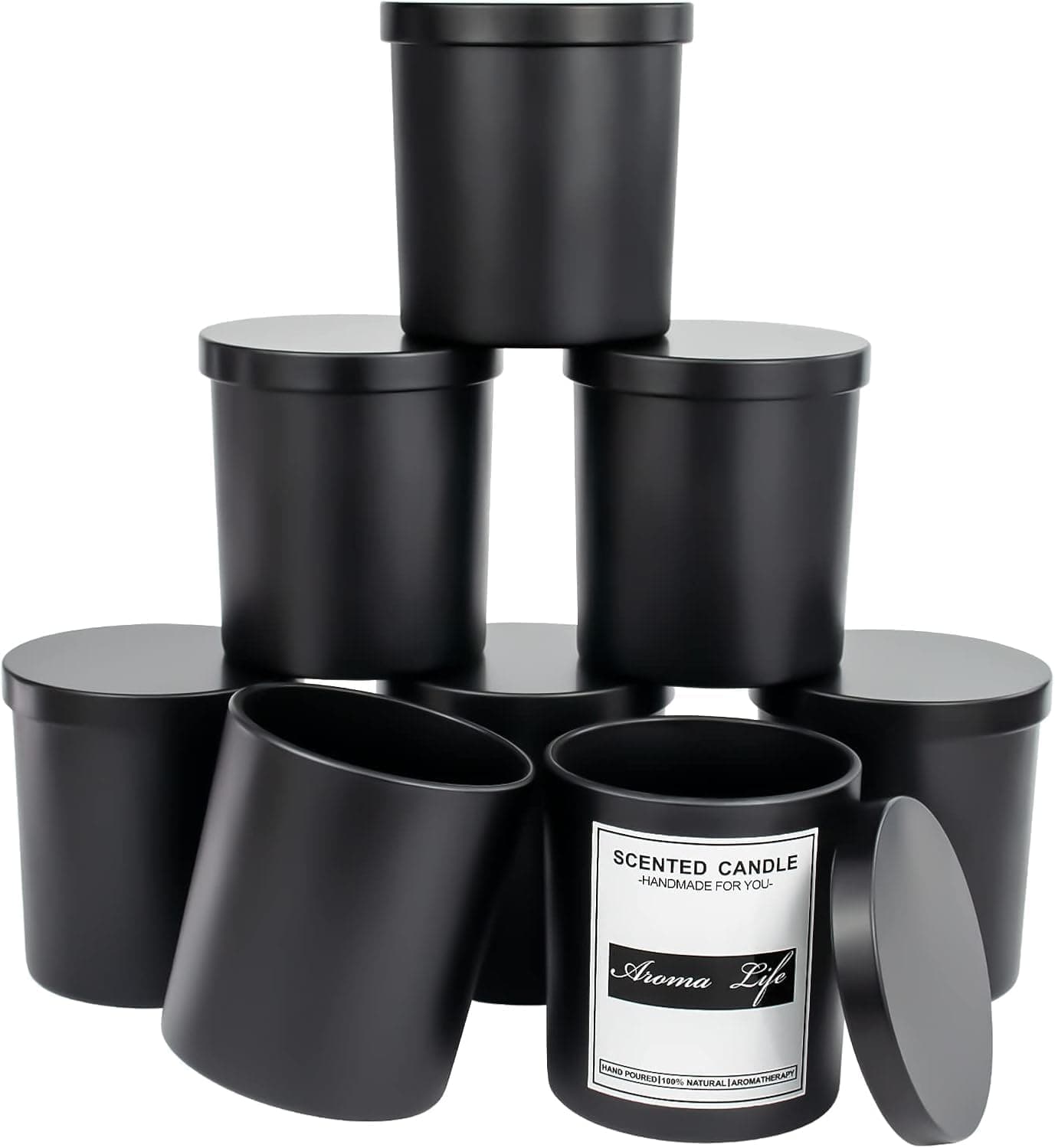
+ 12 pack with lids makes a cohesive retail candle line
From our guide: Best Ceramic Candle Vessels for a Premium Look
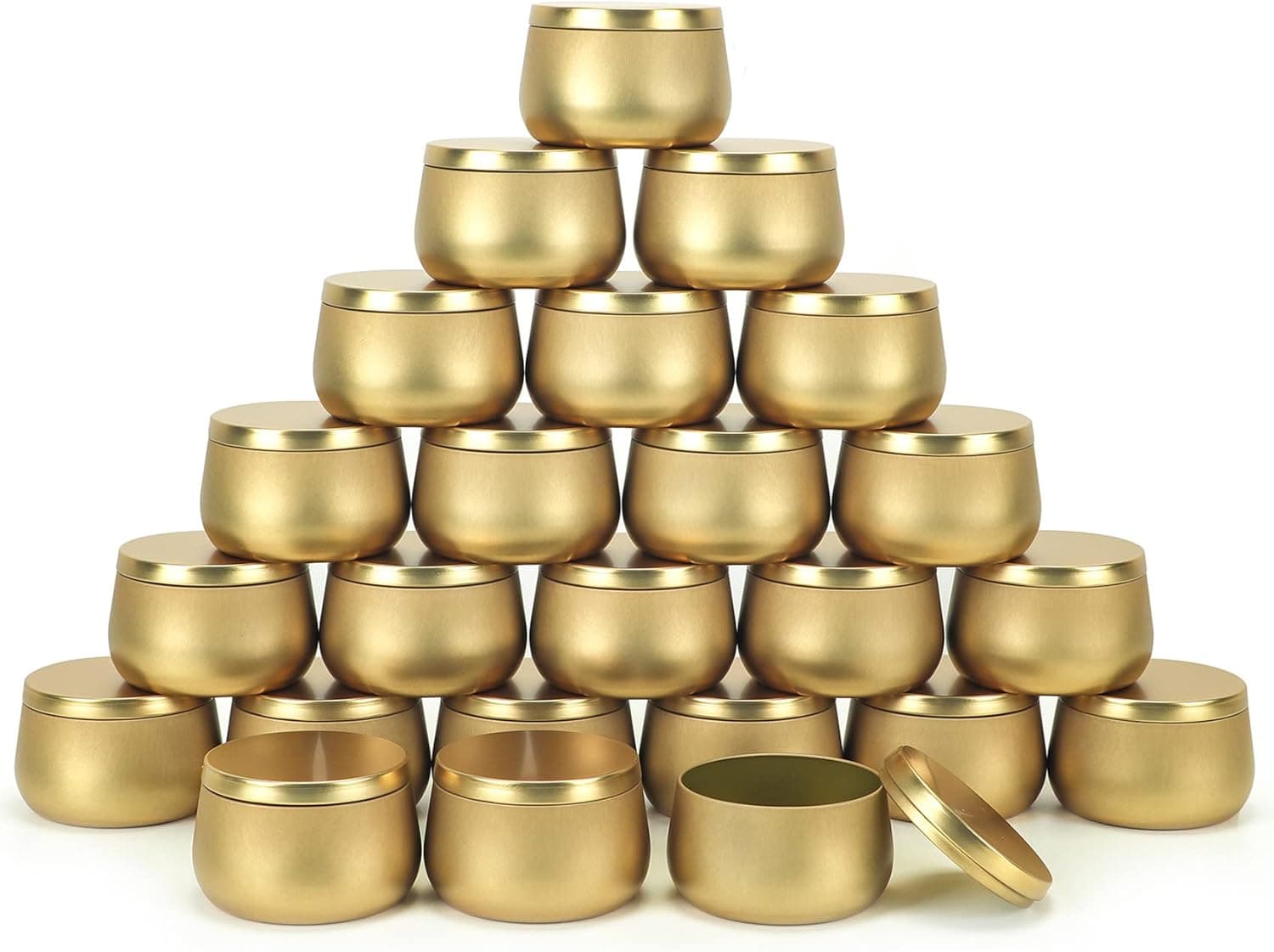
+ 24 Pack of gold tins with lids suits wedding favors
From our guide: Best Candle Tins for Gifts and Favours
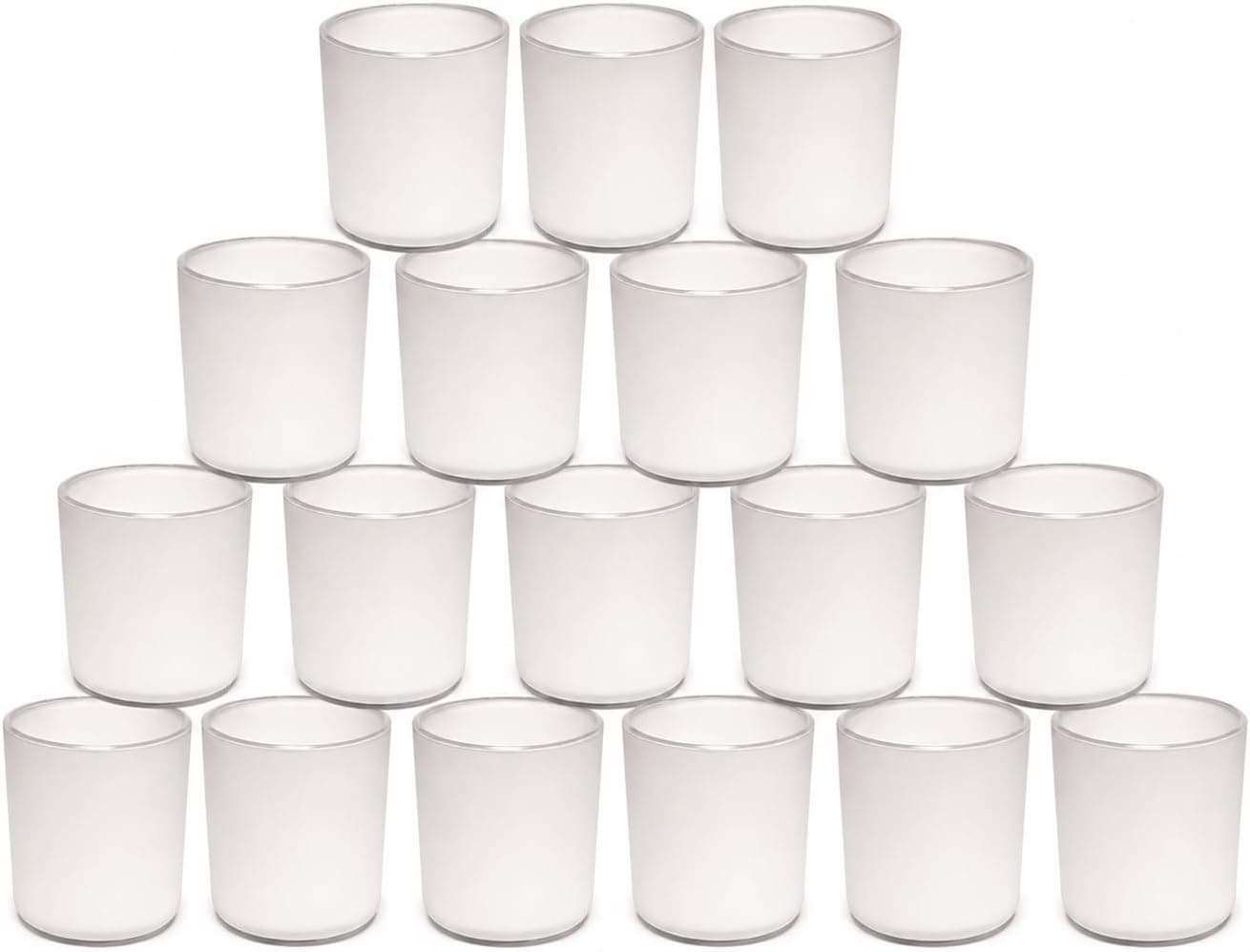
+ Matte white translucent glass glows softly when lit
From our guide: Best Teacup and Vintage Vessels for Candles
Popular right now
- Packaging Candles for Shipping Without BreakageArticle
- Soy vs Beeswax vs Coconut WaxArticle
- Best Ceramic Candle Vessels for a Premium LookBuying guide
- Labeling Candles for SaleArticle
- Burn Testing a New Candle Recipe From Start to FinishArticle
- When to Add Fragrance Oil to Melted WaxArticle
Based on the last 28 days of search and visitor data.