Soy vs Beeswax vs Coconut Wax
Published How we research
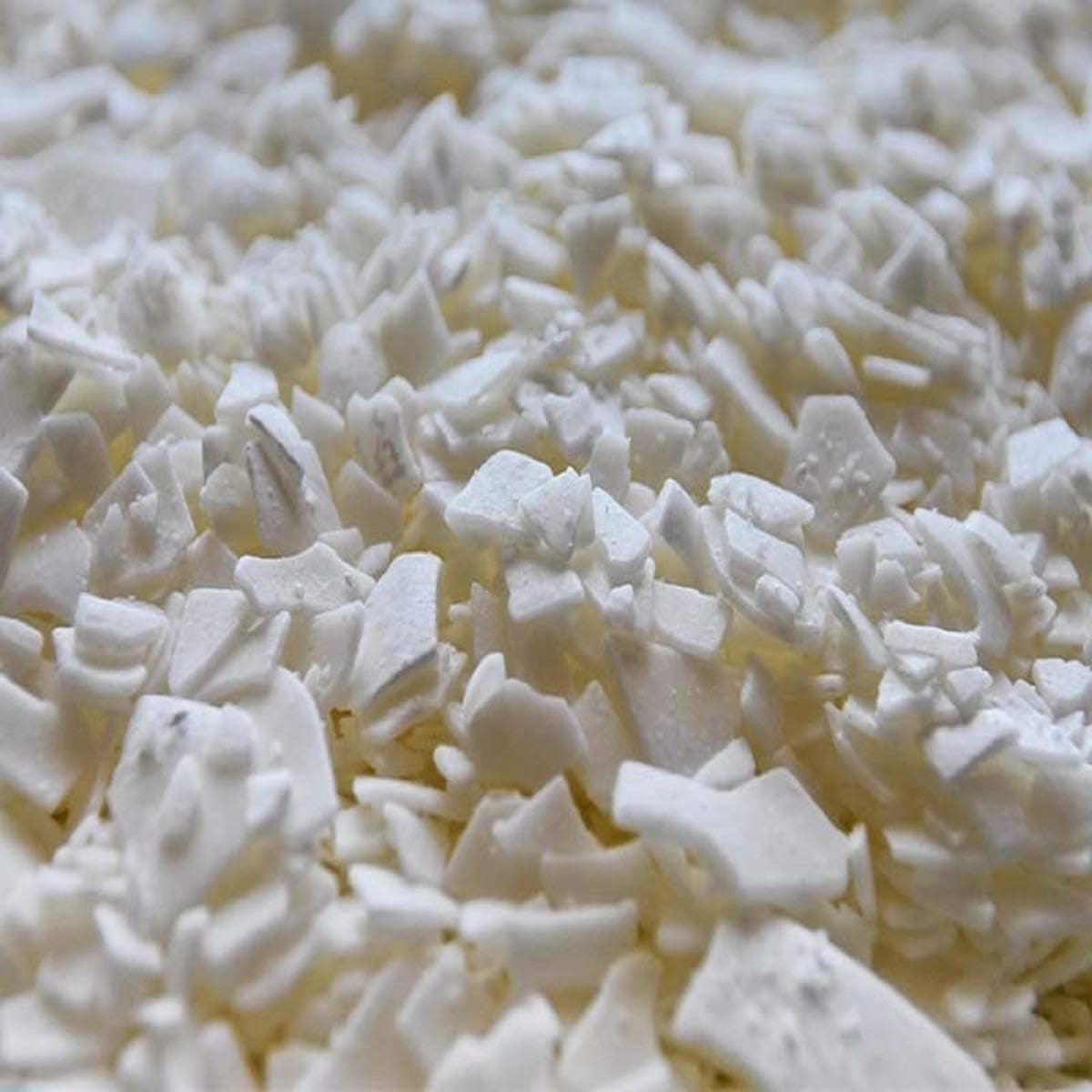
Soy, beeswax and coconut wax get compared constantly, usually in marketing language rather than maker language. Here is how they actually differ on the bench. Soy wax is a hydrogenated soybean oil, sold in container and pillar grades, and it is the default starting point for most new makers in the English-speaking world. It is inexpensive, easy to source, low melting, and there is an enormous shared knowledge base about specific soy blends. Its weaknesses are cosmetic: soy is prone to frosting, wet spots against glass, and uneven tops if it cools too fast.
Beeswax is the oldest of the three and behaves like a different material entirely. It is hard, it melts much hotter than soy, and it has a natural honey-ish scent of its own that will interact with any fragrance you add. That natural scent is a feature for unscented candles and an obstacle for delicate florals. Beeswax burns slowly and cleanly and holds its shape well, which makes it excellent for pillars and tapers. It is also by far the most expensive of the three, and price varies with filtering and colour grade.
Coconut wax is rarely sold pure. What is marketed as coconut wax is usually a blend of hydrogenated coconut oil with soy, paraffin or other components, and the blend ratio matters more than the word on the bag. Coconut blends are prized for very smooth tops, good adhesion to glass, and generous fragrance retention. They are typically softer than soy, which means they are container-only, and they can be sensitive to warm storage. They also sit at the higher end of the price range compared with plain soy.
On scent throw, resist any absolute claim. Throw depends on the fragrance oil, the load percentage, the wick, the vessel, the cure time and the room, not on the wax alone. What is fair to say is that coconut blends and paraffin blends generally make it easier to hit a strong hot throw at a given fragrance percentage, soy is workable but often needs more attention to cure time and wicking, and beeswax is the most resistant to carrying added fragrance because it has its own aroma and a dense structure.
Difficulty ranks roughly in that same order. Soy container blends and coconut blends are both beginner-friendly, with coconut blends slightly more forgiving on appearance and soy slightly more forgiving on cost when you make mistakes. Beeswax asks more of you: higher working temperatures, more care with wick sizing because it is dense, and a real risk of cracking if it cools too quickly in a mould. None of them is hard, but beeswax rewards patience.
Blending is where most experienced makers end up. A coconut and soy container blend is extremely common because it borrows the smooth surface of coconut and the price of soy. Beeswax added at a small proportion to a soy pillar blend hardens the result and improves burn time. If you blend, weigh precisely and write down the ratio, because a blend you cannot reproduce is not a recipe. Start with commercially blended waxes before mixing your own, so you know what good looks like.
Whatever you pick, the safety rules do not change. Beeswax in particular melts at a noticeably higher temperature than soy, so do not reuse a soy workflow blindly. Never leave any wax melting unattended, keep water away from the melting area, and check the flash point on the data sheet for the specific product you bought. Choose based on the candle you actually want to make: jar candles lean coconut or soy, moulded pillars and tapers lean beeswax or a hard pillar blend.
Products from this article
The highest-scoring picks from the buying guides mentioned above. Scores are our editorial assessment, not customer ratings.
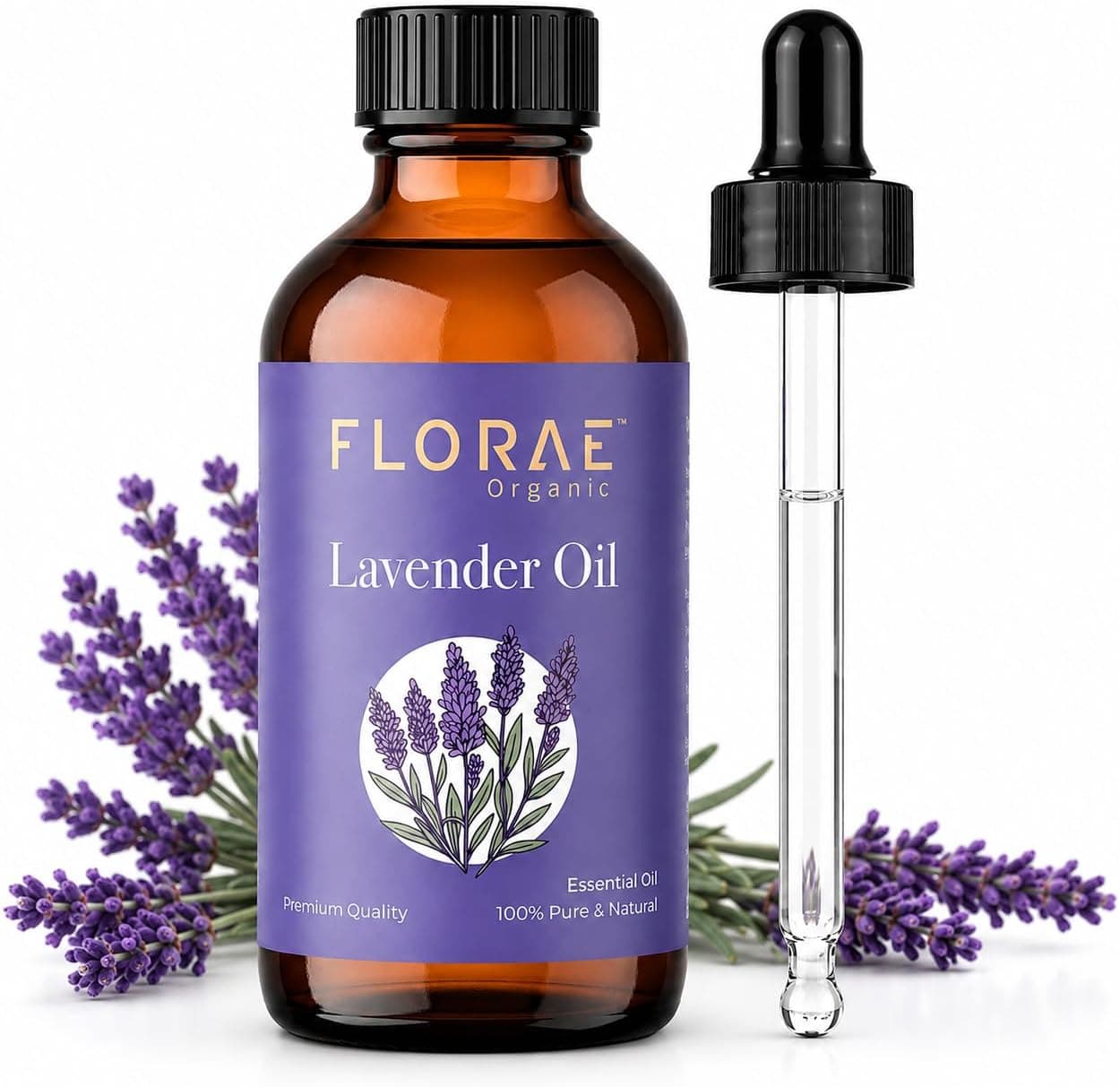
+ 4 Fl Oz bottle is enough for a real batch of lavender candles
From our guide: Best Essential Oils for Candles and What to Expect
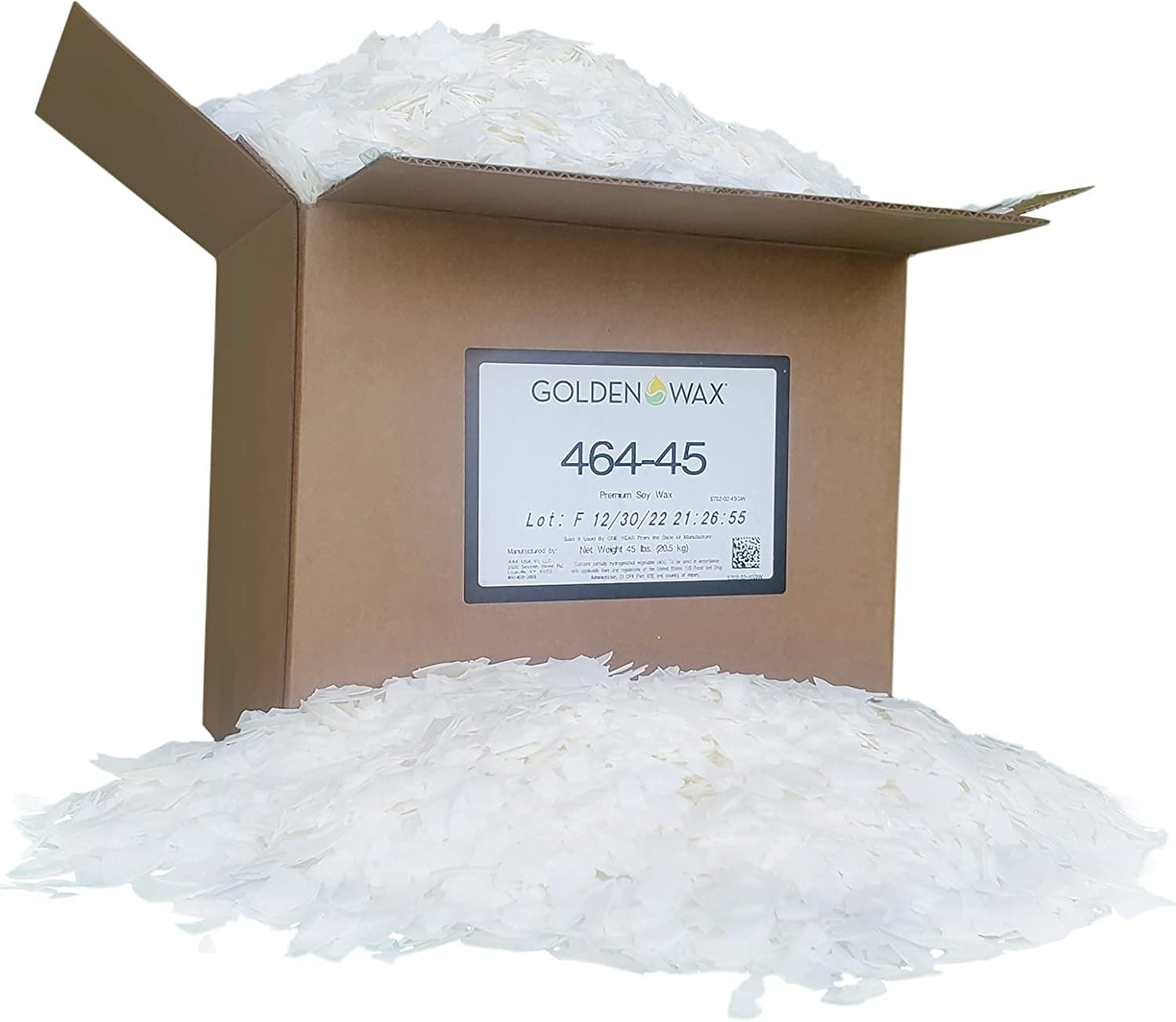
+ 464 is a widely used container soy blend, so plenty of tutorials match it
From our guide: Best Soy Wax for Candles
+ Coconut soy blend is known for smooth tops in container candles
From our guide: Best Coconut Wax for Candles
+ Familiar starter oils make it easy to test natural scents
From our guide: Best Essential Oils for Candles and What to Expect
At a glance: Soy wax vs Beeswax
| Soy wax | Beeswax | |
|---|---|---|
| Melt point | Lower | Higher |
| Best candle type | Containers | Pillars, tapers, containers |
| Fragrance | Holds added fragrance well | Natural honey scent, less added fragrance |
| Burn time | Good | Longer |
| Appearance | Creamy, can frost | Golden, can bloom |
| Cost | Lower | Higher |
Choose Soy wax if
- You make scented jar candles
- You want an easy beginner wax
- Budget matters
Choose Beeswax if
- You want natural unscented candles
- You make tapers or pillars
- You want long burn times
Bottom line: Start with container soy wax for scented jar candles. Use beeswax for natural pillars and tapers, and remember it needs larger wicks.
Popular right now
- Packaging Candles for Shipping Without BreakageArticle
- Choosing Safe Vessels for Container CandlesArticle
- Best Ceramic Candle Vessels for a Premium LookBuying guide
- Labeling Candles for SaleArticle
- Burn Testing a New Candle Recipe From Start to FinishArticle
- When to Add Fragrance Oil to Melted WaxArticle
Based on the last 28 days of search and visitor data.