Curing Candles Before Burning
Published How we research
Curing is the resting period between pouring a candle and burning or selling it. During that time the wax finishes crystallising and the fragrance oil continues to bind into the wax structure. A candle poured this morning is not the same product as the same candle three weeks from now, and judging a new recipe on day one is one of the most common reasons makers wrongly conclude a fragrance is weak.
Cure times vary by wax. Paraffin blends tend to need the least, often a few days to a week. Coconut and coconut-soy blends commonly want one to two weeks. Straight soy is usually given two weeks as a minimum and many makers prefer three to four. Beeswax is less dependent on cure for scent because it carries less added fragrance to begin with, but it still benefits from resting so the surface stabilises. Treat these as starting expectations and confirm with your own testing.
The practical way to find your own cure time is a staged test. Pour six identical candles from the same batch. Burn one at three days, one at one week, one at two weeks, one at three weeks and one at four weeks, keeping the last as a reference. Assess hot throw in the same room, at the same time of day, after the same burn duration. Most makers find a point where improvement plateaus, and that plateau is your cure time. There is no benefit to a rule you have not verified for your own wax and oils.
Storage during cure matters more than the calendar. Keep curing candles at a stable room temperature, out of direct sunlight, away from heat sources and away from strong smells. Cover them loosely with a lid or a cloth to keep dust off while allowing them to settle, and keep different fragrances apart if you can, because strong oils will scent the room and eventually influence how you perceive each other's candles. Never stack curing candles or move them during the first day while the wax is still setting.
Curing does not fix everything and it is important to know its limits. It will not rescue a candle with the wrong wick, it will not repair a sinkhole, and it will not make an underloaded fragrance strong. What it reliably does is let a candle reach its intended scent performance and let the wax surface stabilise. If a candle at four weeks still has no hot throw, the problem is the wick, the load, the oil or the wax, and more waiting will not help.
Cold throw, the scent of an unlit candle, also changes over the cure. A candle can smell wonderful the day it is poured because residual surface oil is evaporating, then seem quieter a week later as the oil binds into the wax, then come back as the cure completes. Do not panic at the mid-cure dip. Judge cold throw at the end of your cure window, from a candle stored at normal room temperature rather than one just moved from a cold storeroom.
Build cure time into your production planning rather than treating it as a delay. If you sell at a market in four weeks, your soy candles need to be poured now. Label every batch with the pour date on the base, and use a simple shelf system where the oldest batch sits at the front. That habit prevents the very common mistake of shipping a candle that was poured two days earlier and receiving a complaint that it does not smell like the sample the customer tried.
Products from this article
The highest-scoring picks from the buying guides mentioned above. Scores are our editorial assessment, not customer ratings.
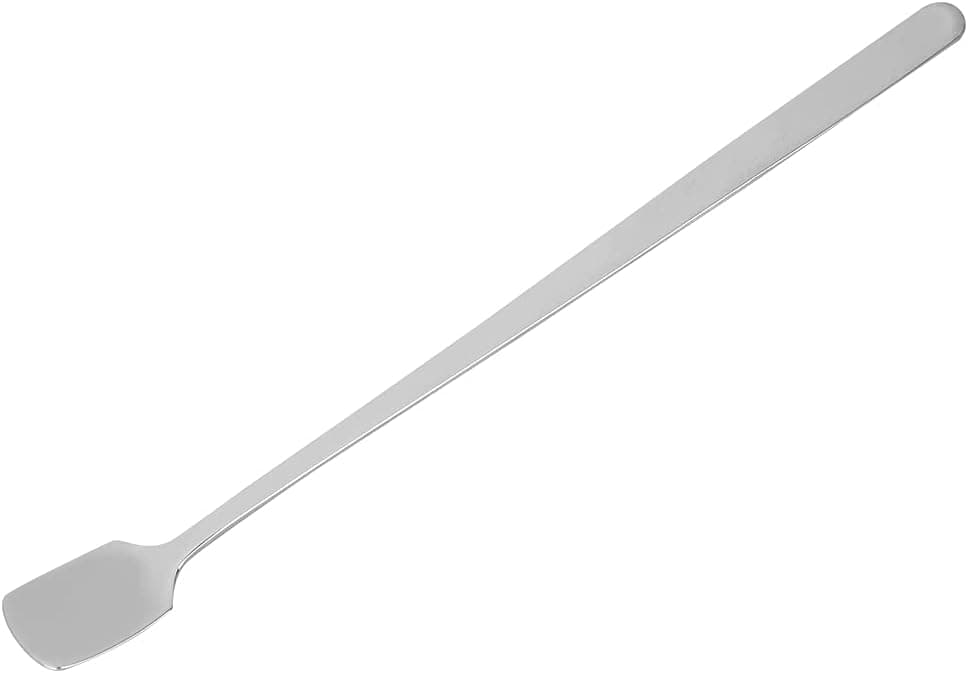
+ Square spoon head scrapes pitcher corners well
From our guide: Best Stirring Tools for Candle Wax and Fragrance
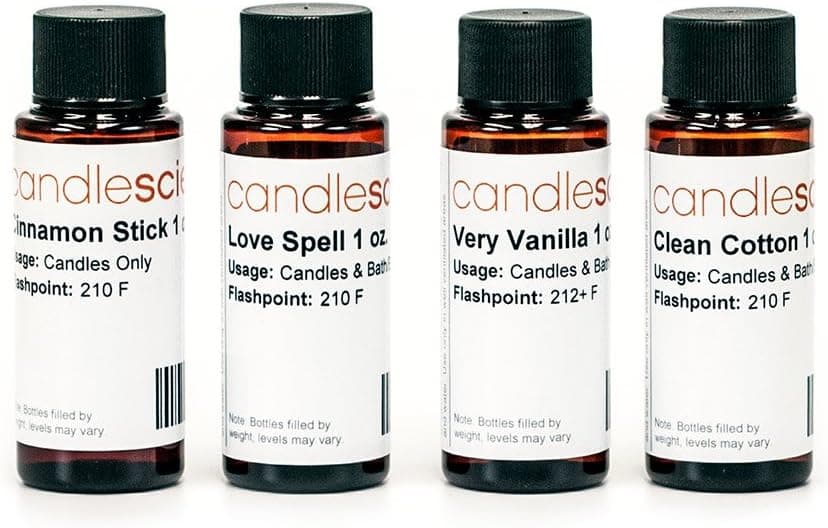
+ CandleScience oils are made and tested for candle making
From our guide: Best Fragrance Oil Sample Sets for Testing Scents
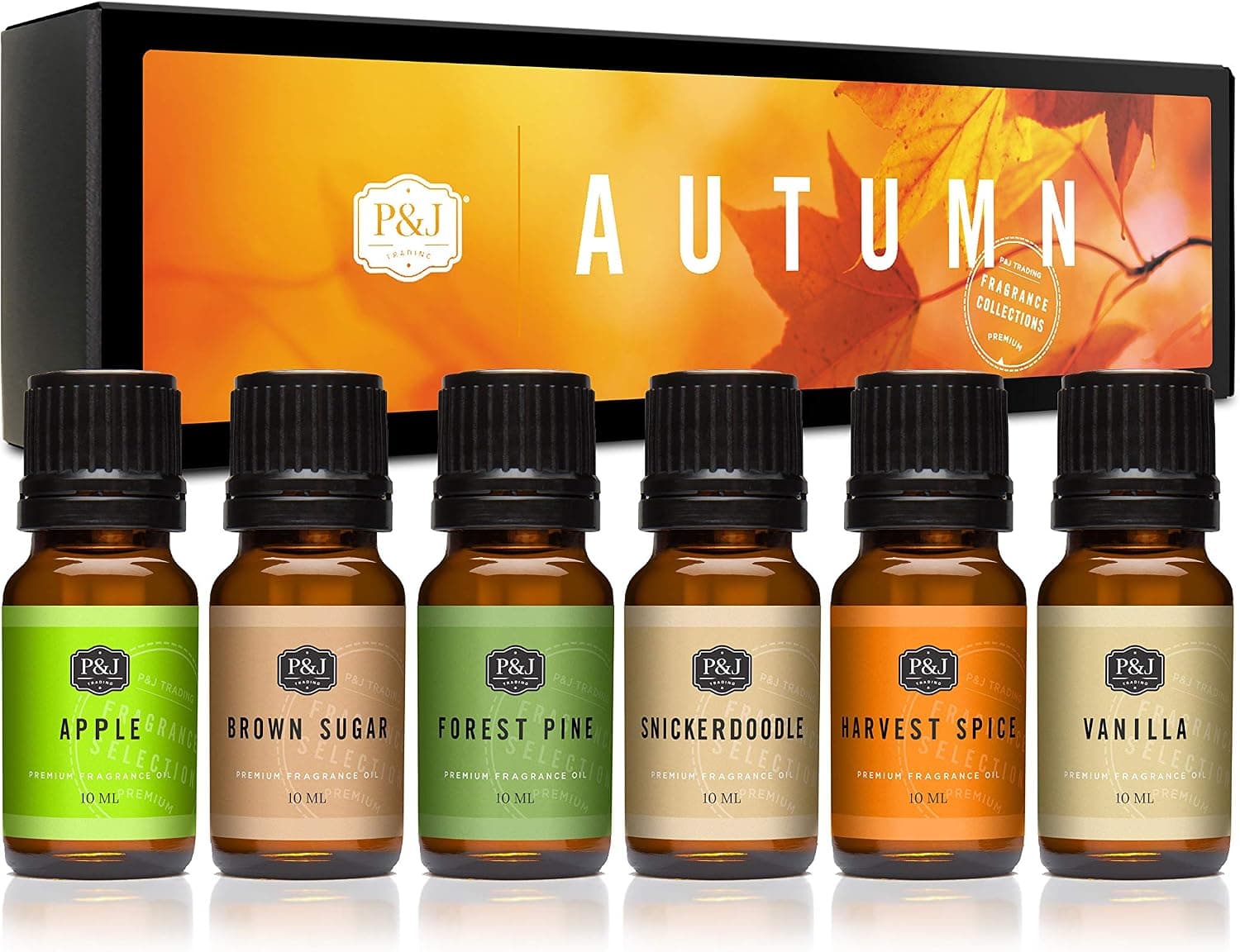
+ Autumn scent lineup is ready made for fall candle sales
From our guide: Best Candle Fragrance Oils for Strong, Clean Scent Throw
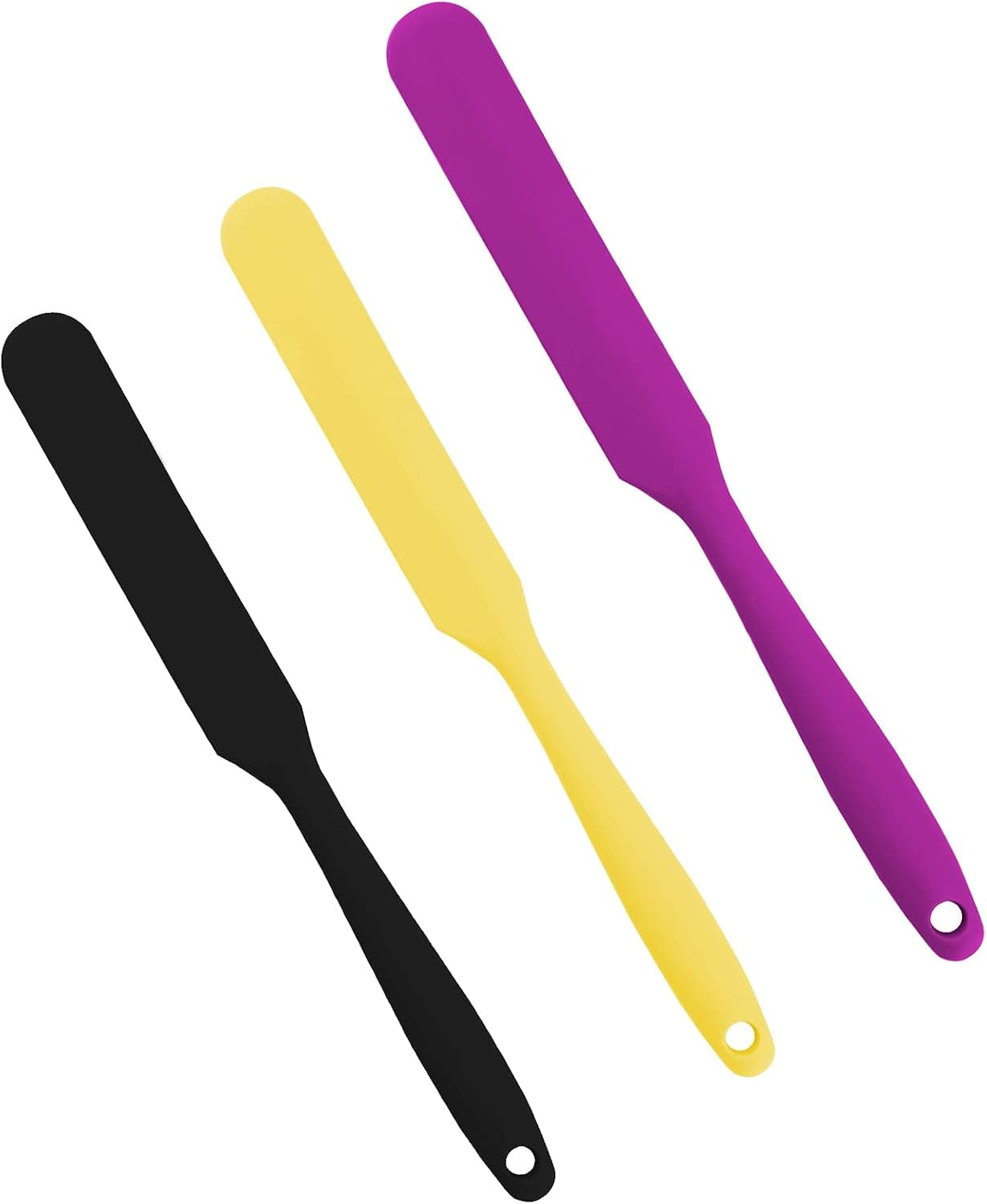
+ Silicone scrapes pitchers clean with little wax waste
From our guide: Best Stirring Tools for Candle Wax and Fragrance
Popular right now
- Packaging Candles for Shipping Without BreakageArticle
- Soy vs Beeswax vs Coconut WaxArticle
- Choosing Safe Vessels for Container CandlesArticle
- Best Ceramic Candle Vessels for a Premium LookBuying guide
- Labeling Candles for SaleArticle
- Burn Testing a New Candle Recipe From Start to FinishArticle
Based on the last 28 days of search and visitor data.