Fixing Frosting and Wet Spots in Container Candles
Published How we research
Frosting and wet spots are the two cosmetic complaints that dominate soy candle making, and both are worth understanding properly because one is essentially unavoidable and the other is largely controllable. Neither affects how a candle burns or smells. They affect how it looks on a shelf, which matters commercially even though it does not matter functionally.
Frosting is the white crystalline bloom that appears on the surface and sides of natural wax candles. It is the wax crystallising as it tries to return to its natural structure, and it is a signature of vegetable waxes rather than a defect. It is more visible in dyed candles because the white crystals contrast with the colour, and it tends to increase over time and with temperature swings. You cannot eliminate frosting from soy entirely, and any supplier who claims otherwise is selling something.
You can reduce frosting meaningfully. Pour at the cooler end of your wax's recommended range so the wax sets faster with less crystal growth. Cool the candles slowly and evenly rather than exposing them to a cold surface or a draught, since temperature swings drive crystallisation. Use less dye or no dye at all, because uncoloured soy hides frosting well. Store finished candles at stable room temperature. Some makers add a small proportion of a harder wax or an additive designed to modify crystal structure, though additives change burn behaviour and require retesting the wick.
Wet spots are different. They are the patches where the wax has pulled away from the glass, leaving what looks like a damp shadow. They are caused by the wax contracting as it cools and losing contact with the container wall. Glass and wax contract at different rates, so some separation is normal, but the size and frequency of the spots depend heavily on how you pour and cool.
The most effective fix for wet spots is warming the vessels before pouring. Gently preheating jars, for example with a heat gun on low or in a warm oven at a low temperature, narrows the temperature gap between the wax and the glass and dramatically improves adhesion. Follow with slow cooling: set the poured candles on a warm mat or a wooden board rather than cold stone, keep them away from draughts, and do not move them until fully set. Pouring slightly hotter also helps adhesion, though it trades against sinkholes and needs balancing.
Be aware that wet spots can reappear later even on a perfect pour. A candle that ships in a cold van in January will often develop new spots on arrival, because the wax contracts in the cold and separates. This is why many sellers include a short note explaining that separation between wax and glass is a natural characteristic of the wax rather than damage. Setting the expectation costs nothing and prevents refund requests.
Wax choice is the lever people forget. Coconut and coconut-soy blends generally adhere to glass far better and frost far less than straight soy, which is a large part of why they became popular for premium containers. If you have spent months fighting the appearance of a soy candle, testing a coconut blend may solve in one batch what pouring technique cannot. Whatever you change, change one thing at a time and keep everything else constant, and remember that any change to wax or additives means retesting the wick before you sell the result.
Products from this article
The highest-scoring picks from the buying guides mentioned above. Scores are our editorial assessment, not customer ratings.
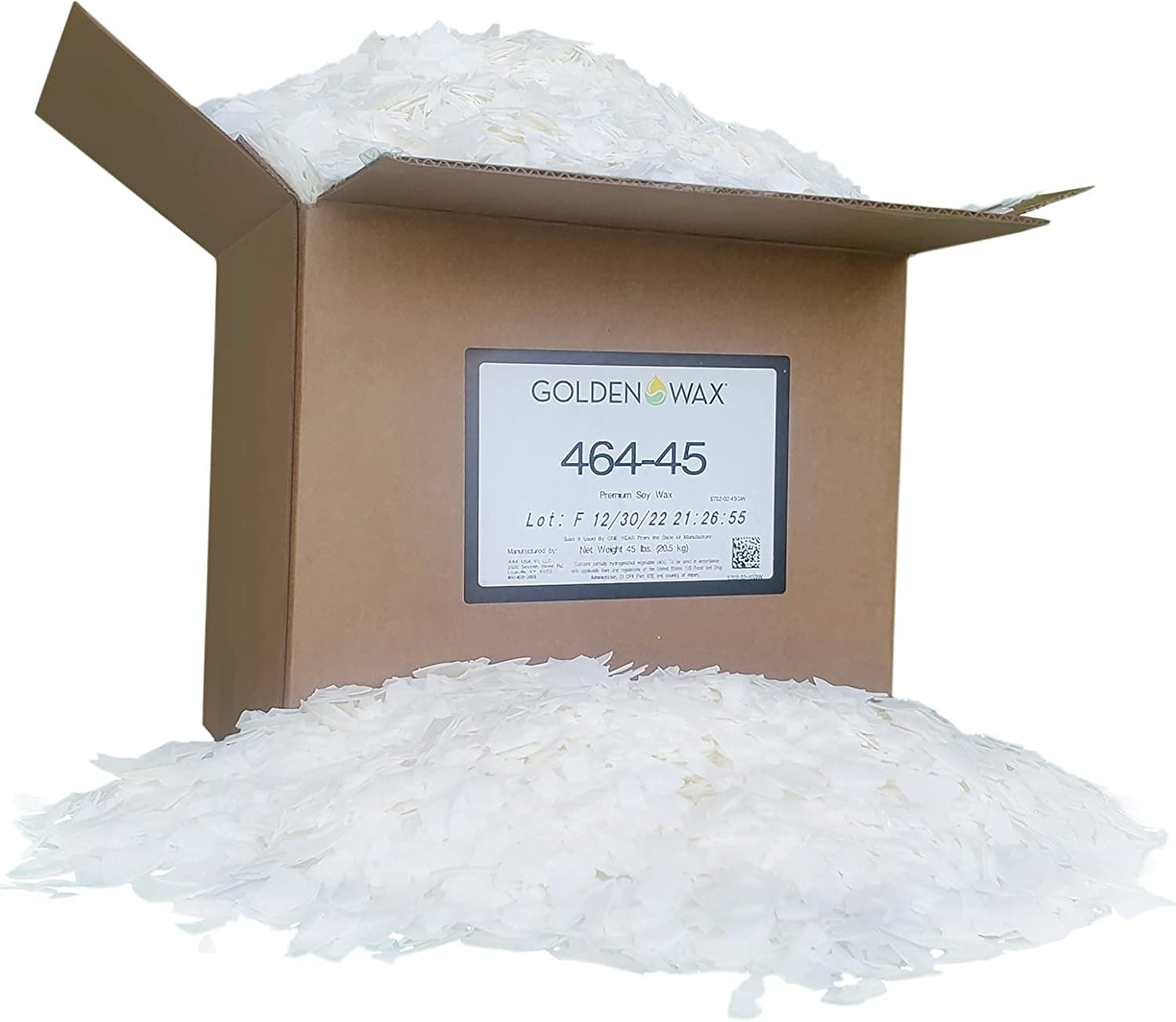
+ 464 is a widely used container soy blend, so plenty of tutorials match it
From our guide: Best Soy Wax for Candles
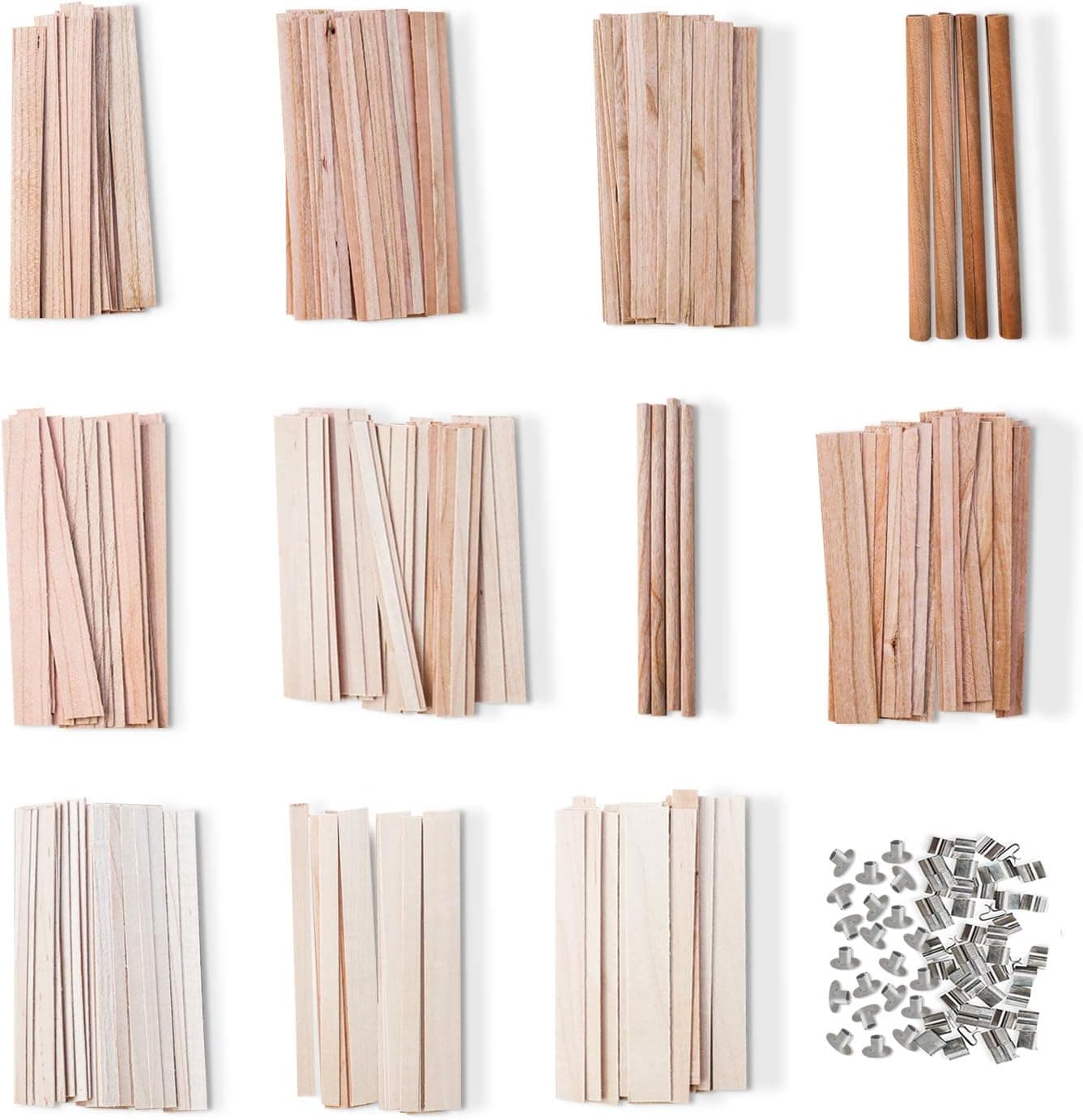
+ Eleven wick varieties allow proper side by side burn tests
From our guide: Best Candle Testing Supplies for Burn Trials
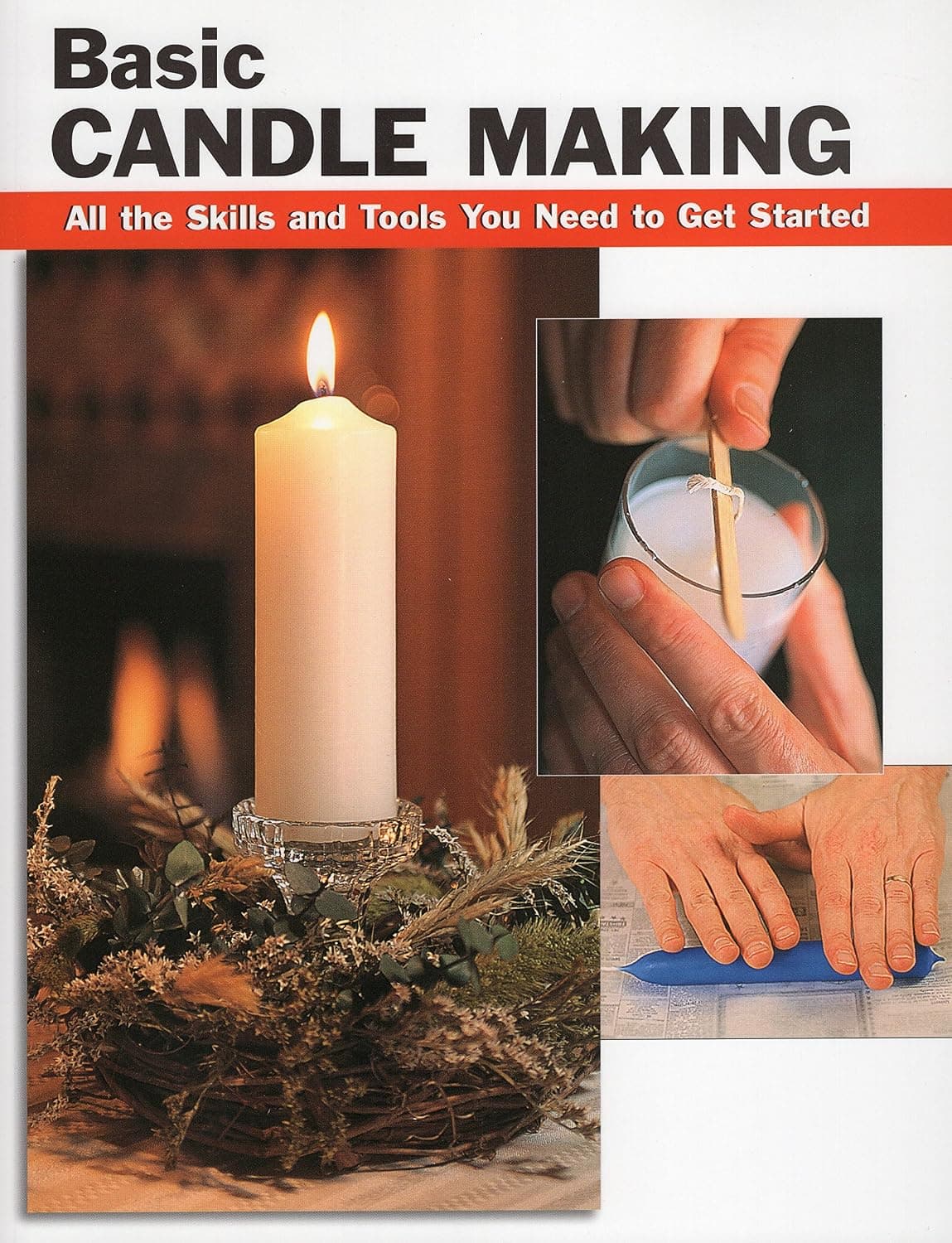
+ Established craft publisher title with clear structure
From our guide: Best Candle Making Books Worth Reading
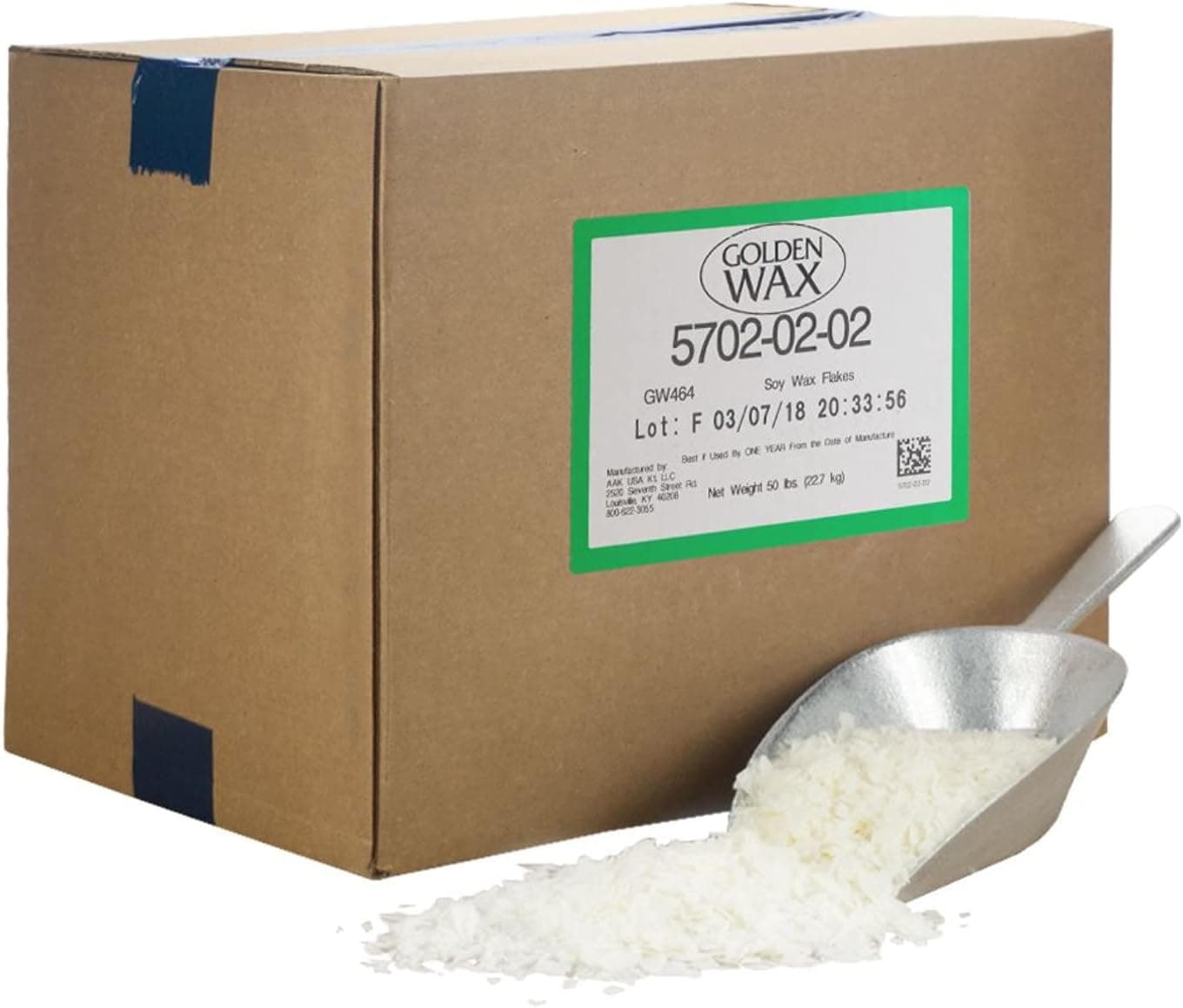
+ GW-464 formula is the same soft container wax many shops rely on
From our guide: Best Soy Wax for Candles
Popular right now
- Packaging Candles for Shipping Without BreakageArticle
- Soy vs Beeswax vs Coconut WaxArticle
- Choosing Safe Vessels for Container CandlesArticle
- Best Ceramic Candle Vessels for a Premium LookBuying guide
- Labeling Candles for SaleArticle
- Burn Testing a New Candle Recipe From Start to FinishArticle
Based on the last 28 days of search and visitor data.