Fragrance Load and How Much to Use in a Candle
Published How we research
Fragrance load is the weight of fragrance oil expressed as a percentage of your wax weight, and getting the arithmetic right matters before anything else. If you are using one kilogram of wax at eight percent, you add eighty grams of fragrance oil. Some makers calculate against total candle weight instead, which gives a slightly different number, so decide which convention you use and stay consistent. Always weigh fragrance on a scale rather than measuring by volume, because oils vary in density and a teaspoon is not a unit of mass.
Every wax has a maximum fragrance load stated by the manufacturer, typically somewhere between six and twelve percent depending on the blend. That number is not a target, it is a ceiling. Exceeding it does not give you a stronger candle. It gives you oil that the wax cannot hold, which separates and pools on the surface, sweats out of the sides, degrades the burn and creates a genuine safety issue because free fragrance oil on a candle surface can ignite. Stay at or below the stated maximum.
More oil is not linearly more scent. There is a point for every wax and fragrance combination beyond which additional oil stops improving the throw and starts hurting it, because the excess interferes with the wax structure and the wick's ability to draw fuel evenly. Many makers find their sweet spot below the maximum load, often somewhere around six to eight percent in common container waxes. A candle at ten percent that burns badly will smell weaker in a room than a candle at seven percent that burns well.
Strength also depends heavily on the oil itself. Fragrance oils vary enormously in concentration and in how well their particular aroma molecules travel through a room. A vanilla-heavy blend and a citrus blend at the same percentage will not perform the same, because heavier base notes behave differently from light top notes when heated. Some suppliers publish a recommended usage rate per oil, and that is worth more than a generic rule. Treat each oil as its own experiment.
Test percentages the same way you test wicks: side by side, everything else identical. Make three candles at, for example, six, eight and ten percent of the same oil in the same wax and vessel, cure them for the same length of time, then burn them in the same room on separate occasions so your nose is not comparing two scents at once. Judge hot throw in a normal-sized room after an hour of burning, not by leaning over the candle. Nose fatigue is real, so take breaks and step outside between assessments.
Remember that raising the fragrance load changes the burn. More oil generally means the candle needs a slightly different wick, so if you settle on a higher percentage than you first tested, confirm the wick again. This is the loop that catches people out: they push the fragrance up to fix a weak throw, the burn degrades, the melt pool suffers, and the throw gets worse rather than better. Fix throw with cure time and wicking before you reach for more oil.
Finally, respect the safety numbers on the oil. Every fragrance oil has a flash point and a supplier safety data sheet. Add fragrance below the flash point, never leave wax heating unattended while you fetch the oil, and keep bottles closed and away from the heat source. If you sell candles, also check whether your fragrance supplier provides usage guidance for candle applications, and keep those documents on file. Write the exact percentage on every test jar, because a candle you cannot reproduce is not a product.
Products from this article
The highest-scoring picks from the buying guides mentioned above. Scores are our editorial assessment, not customer ratings.
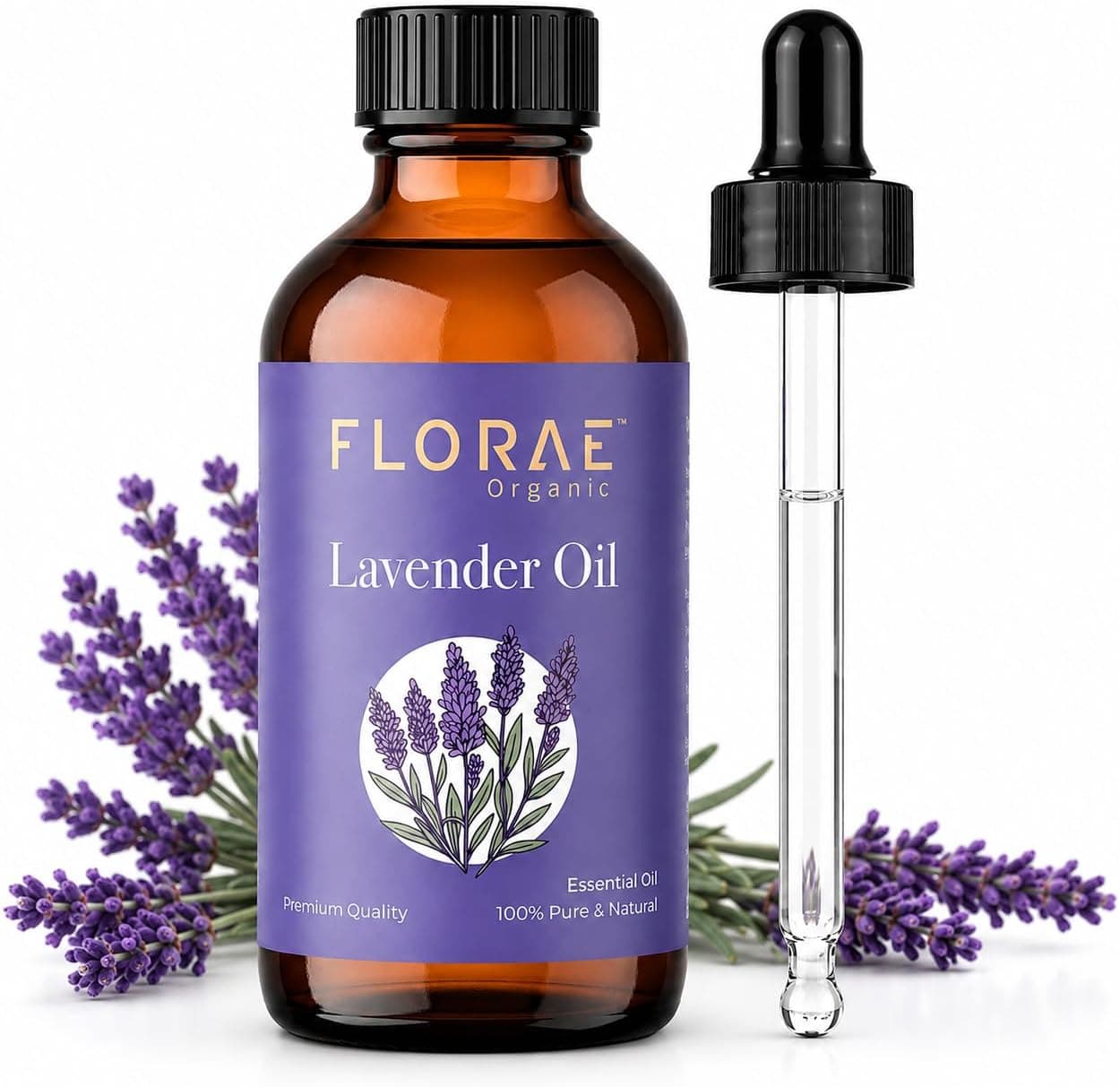
+ 4 Fl Oz bottle is enough for a real batch of lavender candles
From our guide: Best Essential Oils for Candles and What to Expect
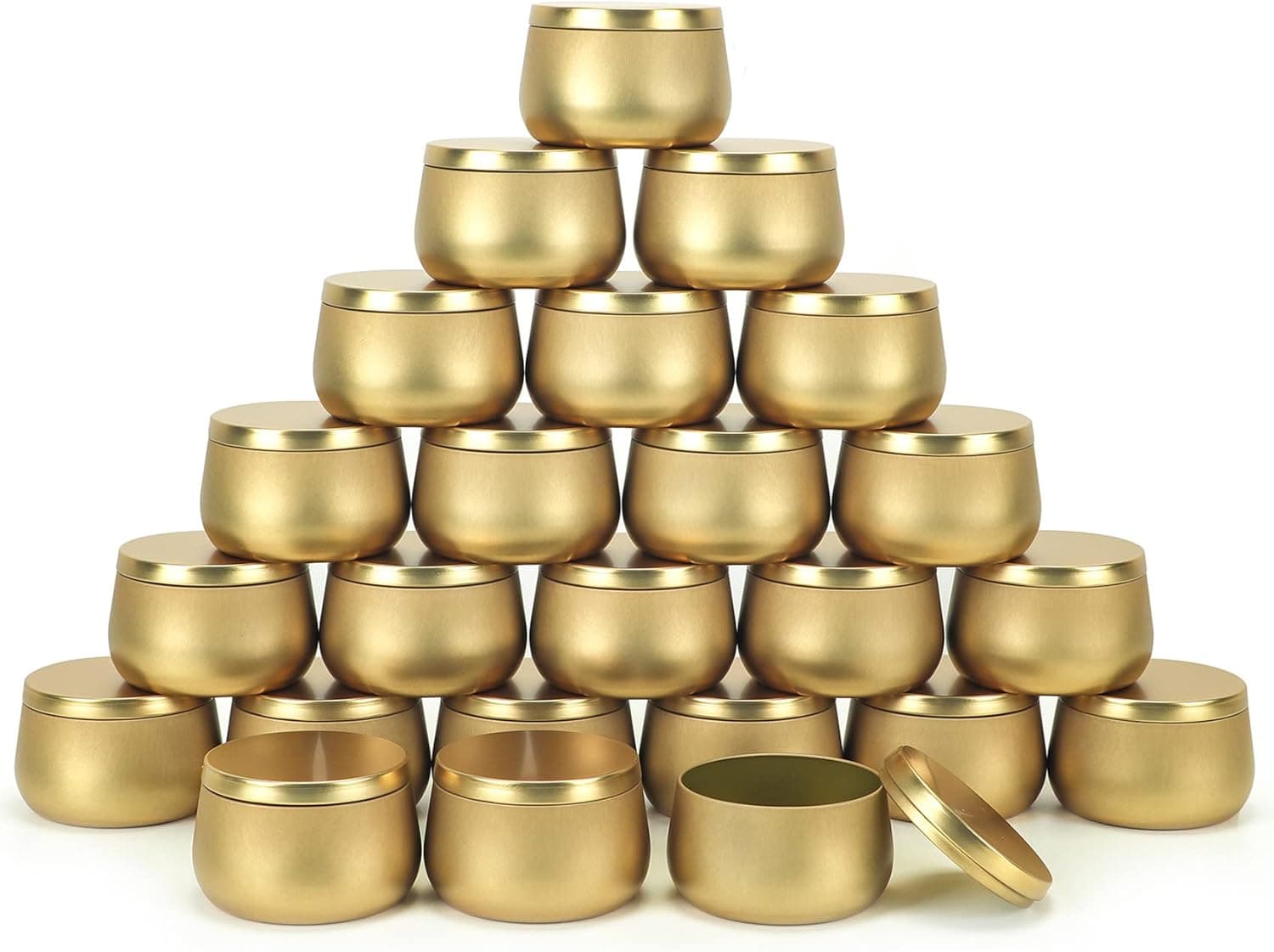
+ 24 Pack of gold tins with lids suits wedding favors
From our guide: Best Candle Tins for Gifts and Favours
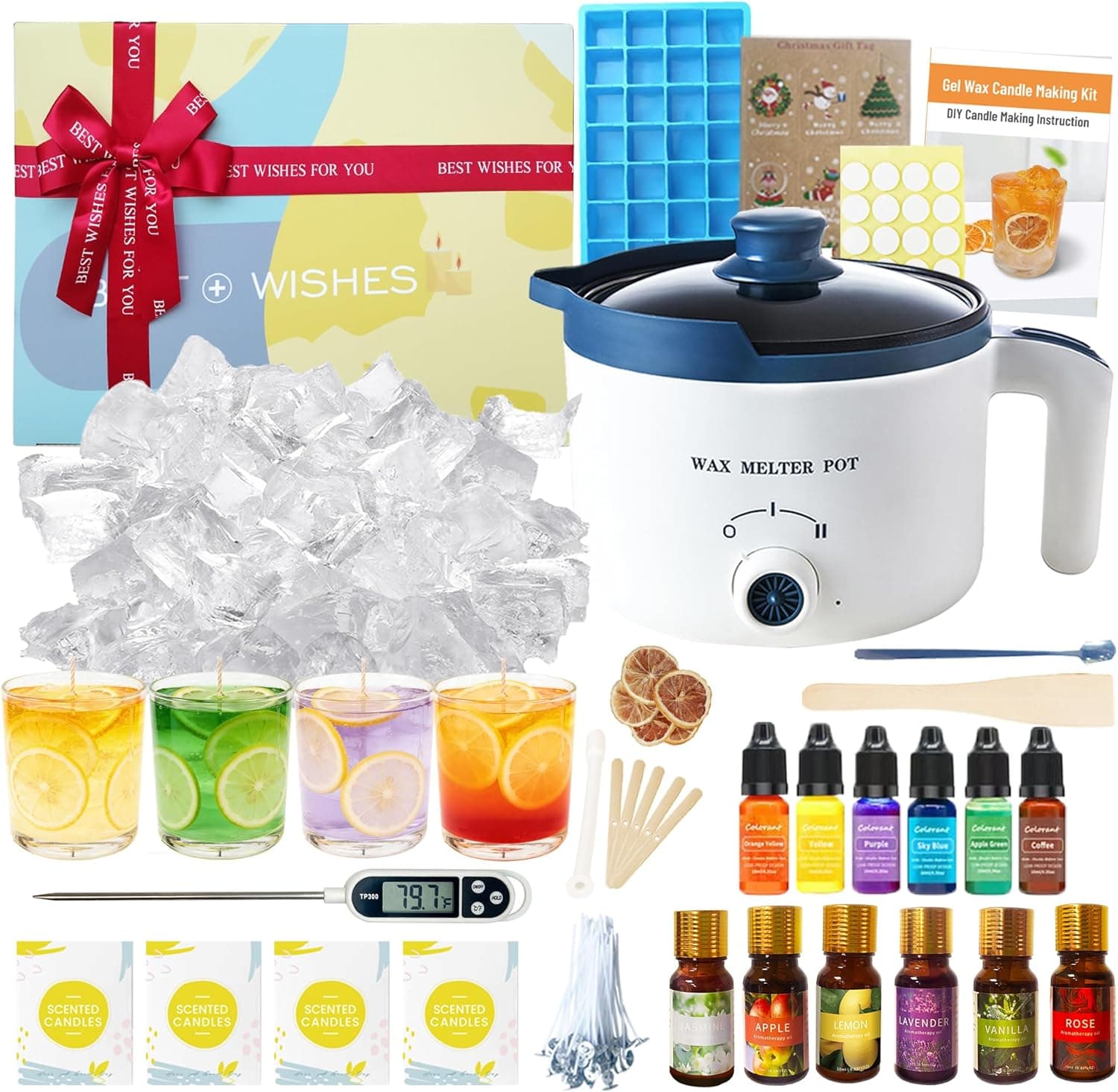
+ Electric melter removes the need for a stove or double boiler
From our guide: Best Gel Wax for Candles
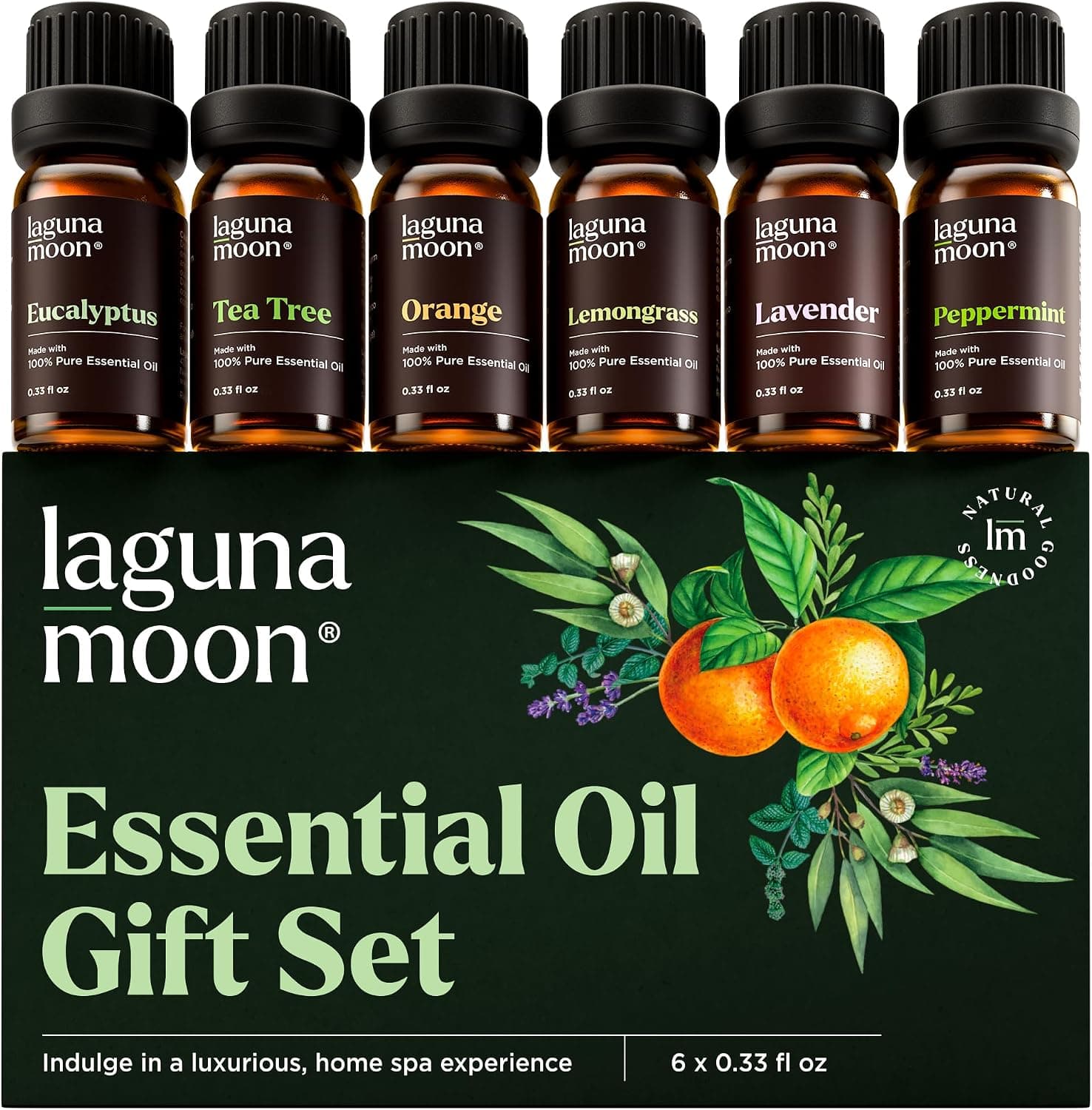
+ Familiar starter oils make it easy to test natural scents
From our guide: Best Essential Oils for Candles and What to Expect
Popular right now
- Packaging Candles for Shipping Without BreakageArticle
- Soy vs Beeswax vs Coconut WaxArticle
- Choosing Safe Vessels for Container CandlesArticle
- Best Ceramic Candle Vessels for a Premium LookBuying guide
- Labeling Candles for SaleArticle
- Burn Testing a New Candle Recipe From Start to FinishArticle
Based on the last 28 days of search and visitor data.