Making Wax Melts
Published How we research
Wax melts are wickless portions of scented wax designed to be warmed in an electric or tealight warmer. Removing the flame removes a whole set of problems: no wick sizing, no burn testing for melt pool, no soot. What remains is a purer test of fragrance and wax, which is why many makers find melts a satisfying place to start and a reliable product to sell alongside candles.
Wax choice differs from container candles. You want a wax that is hard enough to release cleanly from a clamshell or silicone mould, holds a crisp shape at room temperature, and does not crumble. Melt-specific blends exist and are worth using, often based on paraffin, soy or a coconut and soy mix with added hardness. A soft container wax will make melts that smear in the packaging and refuse to pop out of the mould, so do not simply reuse your jar recipe.
Fragrance load can often run higher in melts than in candles because there is no flame to worry about, and many melt waxes accept ten percent or more. Check the manufacturer's stated maximum for the specific wax, since exceeding it still causes oil separation and greasy surfaces. Add the oil at the temperature the data sheet recommends and stir for a full two minutes so it binds evenly. Melts that smell strong on the first use and weak on the third usually had inadequate stirring.
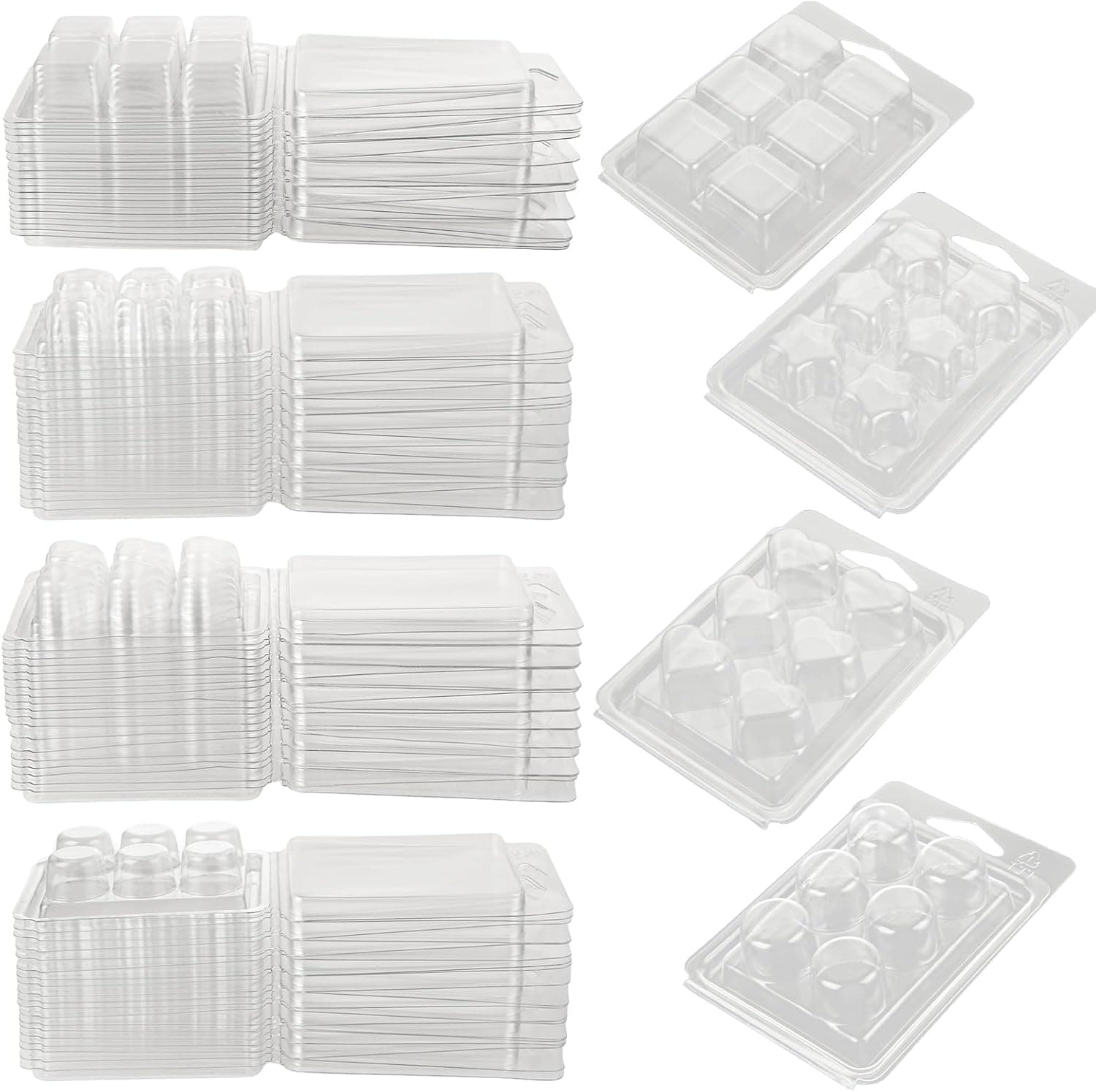
Pour a little cooler than you would for a jar candle if you want smooth tops in a mould, and pour steadily to avoid air bubbles. Silicone moulds give the best release and the most attractive shapes, while clamshells are cheaper and double as packaging. Let melts cool slowly at room temperature and completely undisturbed. Do not put them in the fridge or freezer to speed release, since rapid cooling causes cracking and can leave a chalky surface. Release from the mould only when fully cold and firm, usually after several hours.
Melts benefit from curing just as candles do. Give them one to two weeks depending on the wax before judging their scent performance, and store them during cure at a stable room temperature, away from sunlight and away from other fragrances. Wrapped melts stored in a warm car or a sunny window will soften, deform and lose scent, so plan your storage and shipping around temperature.
Safety guidance still applies even though there is no flame in the finished product. Never leave wax unattended while it melts on your bench, and keep water away from hot wax. For the customer, include usage guidance: use only the recommended amount for the warmer, never add water to a wax warmer, never leave a warmer unattended or running overnight, keep it out of reach of children and pets, and place it on a heatproof surface. If you use a tealight warmer, all normal open-flame precautions apply.
Test your melts by using them the way a customer would. Put one cube in a standard warmer, in a normal room, and note how long the scent lasts and how it changes over several hours. Fragrance oils differ in how quickly they exhaust, and a melt that smells beautiful for twenty minutes and then goes flat is not a good product. Record the wax, the load, the oil and the mould size for each test, and remember to state the weight per cube on your packaging so buyers know what they are getting.
Products from this article
The highest-scoring picks from the buying guides mentioned above. Scores are our editorial assessment, not customer ratings.
+ 200 pack covers a large run of wax melts for markets or shops
From our guide: Best Wax Melt Supplies
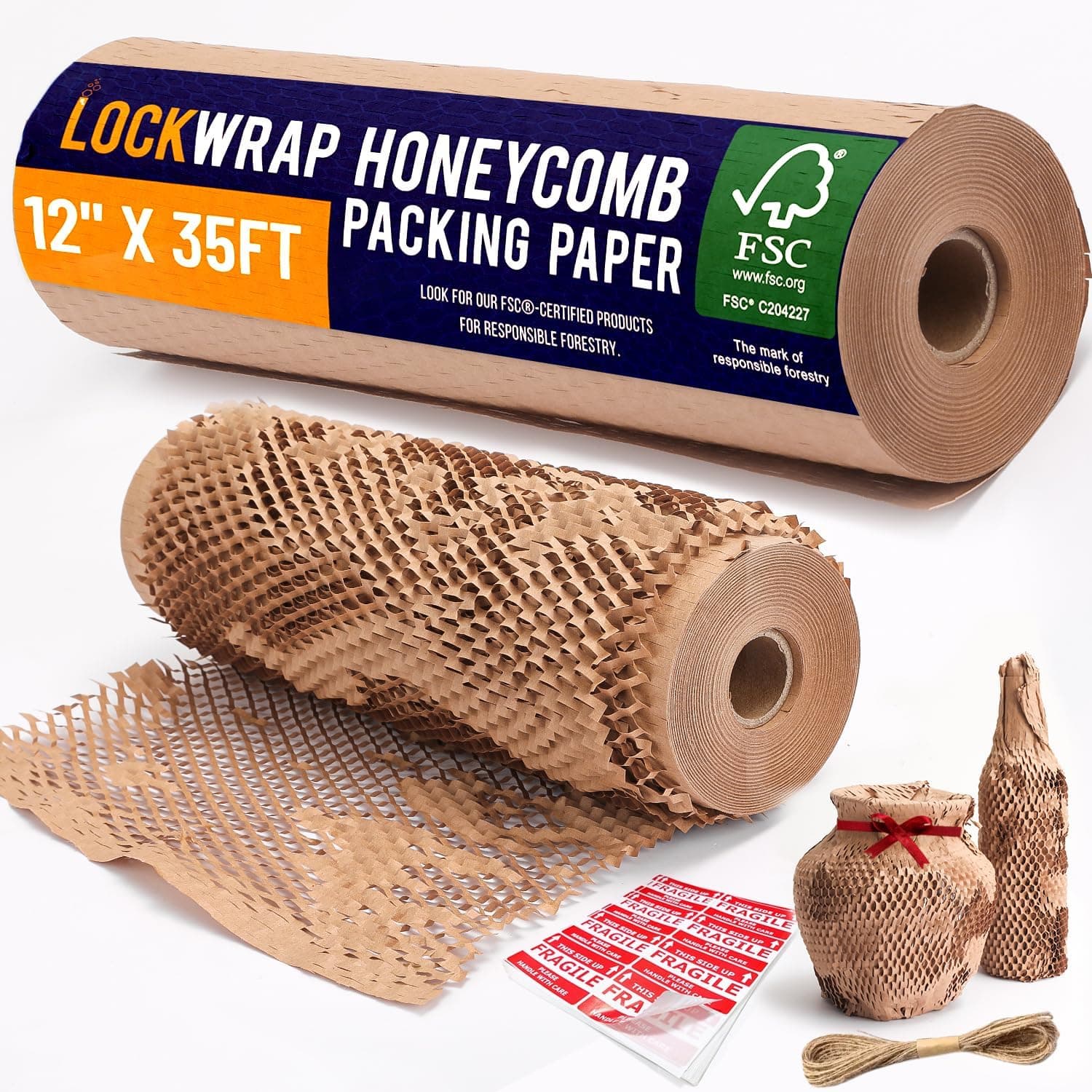
+ Honeycomb paper cushions glass jars without plastic
From our guide: Best Candle Packaging Supplies for Small Makers
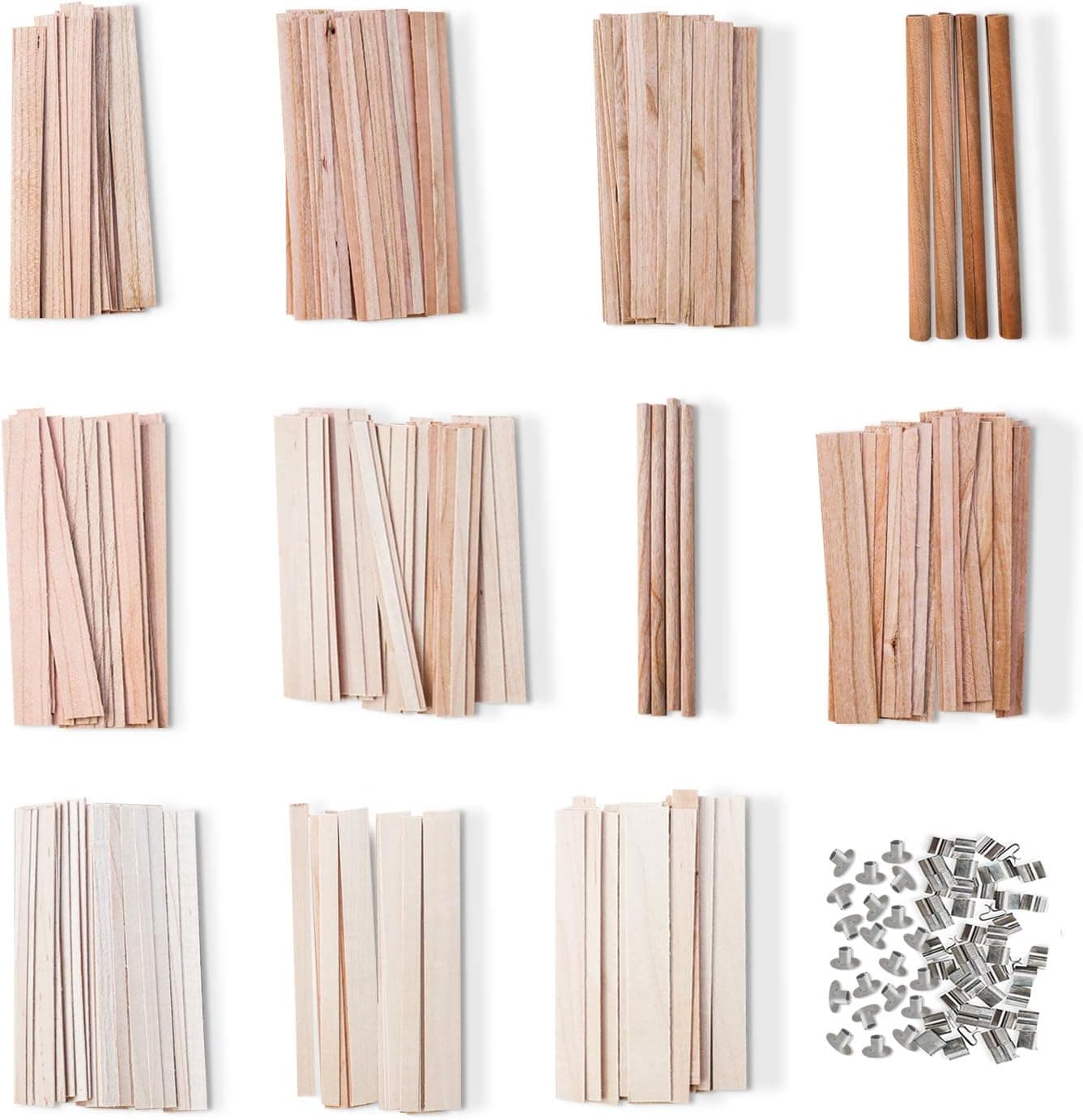
+ Eleven wick varieties allow proper side by side burn tests
From our guide: Best Candle Testing Supplies for Burn Trials
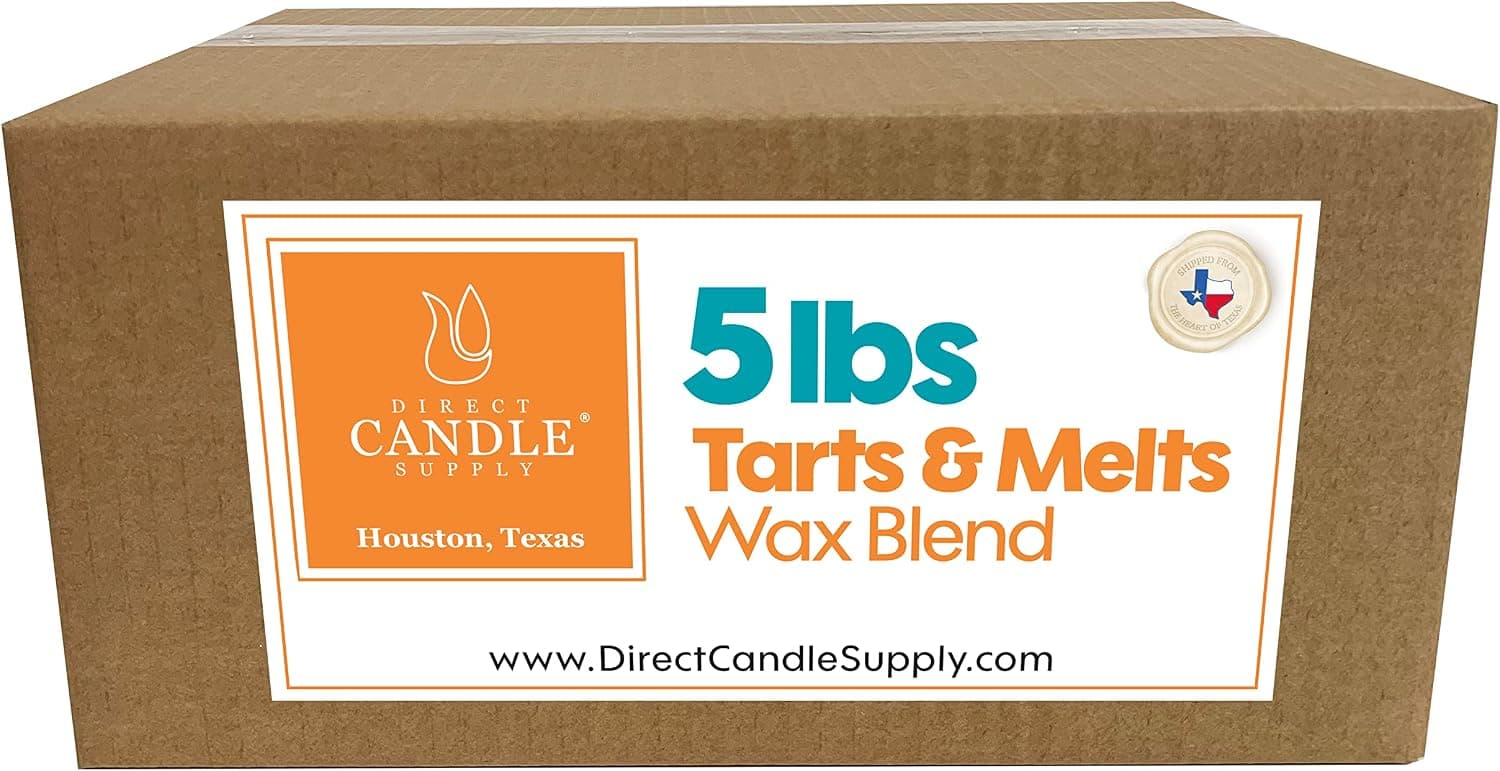
+ Firm slab wax holds shape for pillars and molded tarts
From our guide: Best Wax Melt Supplies
Popular right now
- Packaging Candles for Shipping Without BreakageArticle
- Soy vs Beeswax vs Coconut WaxArticle
- Choosing Safe Vessels for Container CandlesArticle
- Best Ceramic Candle Vessels for a Premium LookBuying guide
- Labeling Candles for SaleArticle
- Burn Testing a New Candle Recipe From Start to FinishArticle
Based on the last 28 days of search and visitor data.