Packaging Candles for Shipping Without Breakage
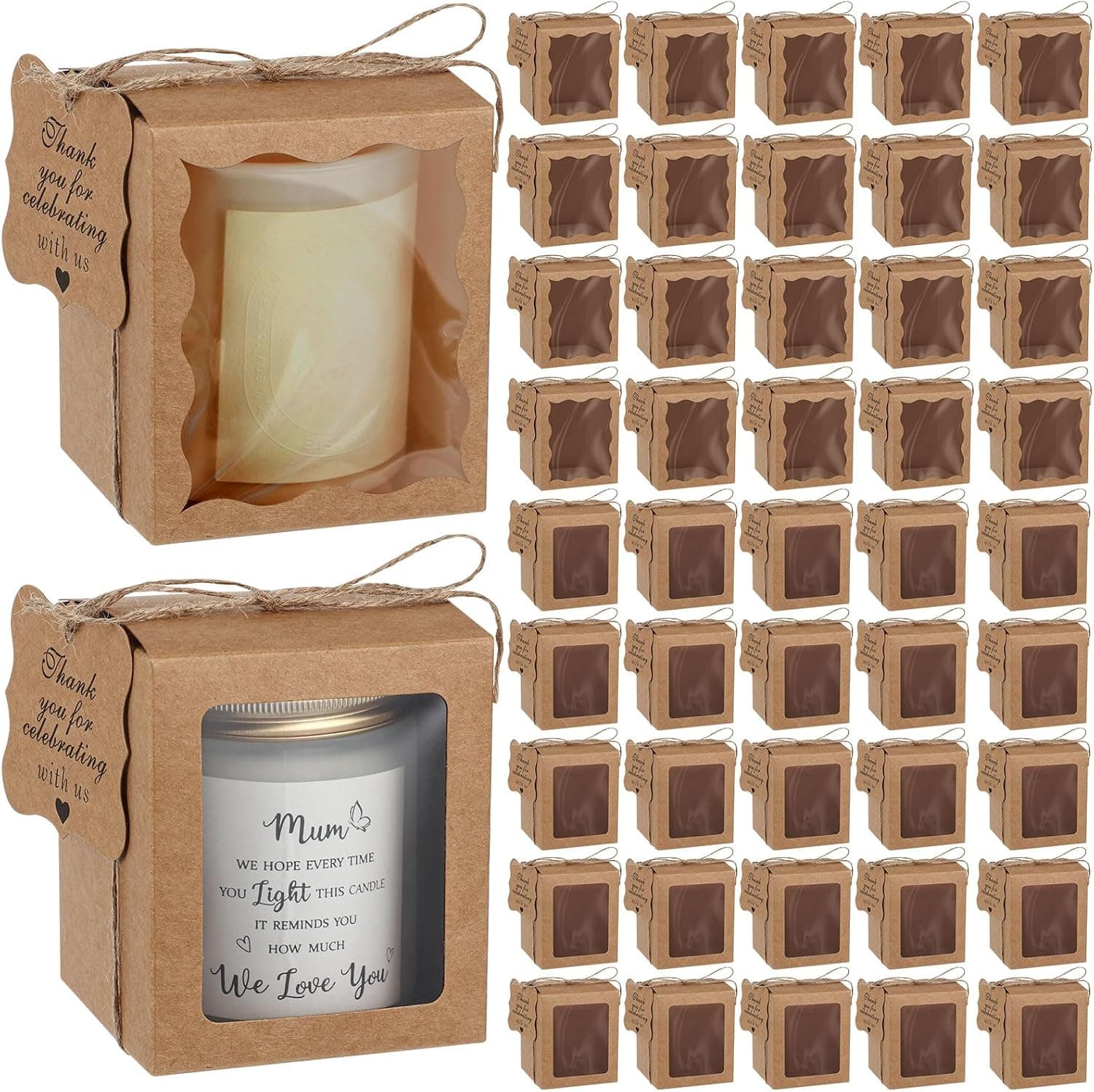
Size boxes so the candle sits with a few centimeters of cushioning space on every side, neither rattling in an oversized box nor cramped in an undersized one. Wrap the candle itself first with bubble or corrugated wrap, securing any lid so it can't grind against the wax, and cover the wax surface. Fill every void so nothing moves when you shake the sealed box, paying extra attention to the bottom and corners where impacts land. Temperature is the risk makers forget, wax softens in heat and contracts in cold, so warn customers wet spots can be natural. Seal seams in an H pattern, then test your packing by shaking, dropping, and mailing a test box to yourself, tracking damage patterns afterward. Candles are heavy, breakable and temperature sensitive, which makes them one of the more awkward things to ship. The good news is that shipping damage is almost entirely a packing problem rather than a courier problem, and a maker who packs properly can get breakage down to a rarity. The approach is the same one used for any fragile heavy item: immobilise the product and give it a cushion on every face.
Start with the box, sized for cushioning on every side
Start with the box. Use a double-walled or at least a good single-walled corrugated box sized so the candle sits with a few centimetres of space on every side including the top and bottom. Oversized boxes with a candle rattling around are worse than snug ones. Boxes that are too small are worse still, because there is no room for cushioning where the impact will land. Keep a small range of box sizes matched to your product line rather than trying to make one size work for everything.
Wrap the candle itself first
Wrap the candle itself first. Bubble wrap, corrugated wrap or moulded paper around the vessel protects the glass and stops the label rubbing. If the candle has a lid, tape or secure it so it cannot lift and grind against the wax surface in transit. Put a disc of card or tissue over the wax surface under the lid, since a loose lid marks the wax and arrives looking scuffed. For candles without lids, cover the top so nothing presses into the wax.
Fill every void so nothing moves
Fill every void. The candle should not move at all when you shake the sealed box. Paper void fill, shredded card and air pillows all work; the key is quantity and placement rather than material. Pay particular attention to the bottom of the box, because parcels are routinely dropped base first, and to the corners, which take the worst impacts. If you ship multiple candles in one box, separate them with dividers or wrap each individually so they cannot knock together.
Temperature is the risk makers forget
Temperature is the risk makers forget. Wax softens in a hot vehicle or a summer warehouse, and soft candles arrive with deformed surfaces, leaked fragrance oil or melted melts. Cold has the opposite effect, causing wax to contract and produce new wet spots against the glass and occasionally cracking. There is not much you can do beyond choosing faster services in extreme weather, avoiding shipping in heatwaves where possible, and telling customers to bring parcels indoors promptly. A short note in the box explaining that wet spots may appear after a cold journey and are a natural property of the wax will prevent a lot of unnecessary refund requests.
Seal and label properly
Seal and label properly. Tape all seams with a proper packing tape using the H pattern rather than a single strip. Mark the parcel as fragile if your courier supports it, though never rely on that alone. Include the packing slip inside, and if you are shipping internationally, check whether your carrier has any restrictions or documentation requirements for the contents you are sending, since rules differ by carrier and destination.
Test your packing before you trust it
Test your packing before you trust it. Pack a candle exactly as you would for a customer, then post it to yourself or to a friend in another town and open it carefully to see how it fared. Better still, drop a packed test box from waist height onto a hard floor on its base and on a corner, then open it. That two-minute test will tell you more about your packaging than any amount of reading. Finally, track your damage rate. Note every breakage report with the product, the box size, the fill used and the destination. Patterns emerge quickly, and they are usually specific: one vessel shape that always chips, one route that always arrives soft in summer. Fixing a pattern is cheap. Absorbing a steady trickle of replacements is not, and replacements cost you the candle, the postage and the customer's confidence.
Frequently asked questions
What size box should I use to ship candles? A box sized so the candle sits with a few centimeters of space on every side including top and bottom, since oversized boxes let it rattle and undersized boxes leave no room for cushioning.
Why do candles arrive with wet spots after cold shipping? Cold causes wax to contract, producing new wet spots against the glass and occasionally cracking; a note in the box explaining this is natural prevents unnecessary refund requests.
How do you protect a candle's wax surface during shipping? Put a disc of card or tissue over the wax surface under the lid, since a loose lid marks the wax and arrives looking scuffed; for lidless candles, cover the top so nothing presses into the wax.
How can I test if my candle packaging is good enough? Pack a candle exactly as you would for a customer, drop the test box from waist height onto its base and a corner on a hard floor, then open it to see how it fared before shipping to real customers.