Pouring Temperatures Explained
Published How we research
Pour temperature is the temperature of the wax at the moment it goes into the vessel or mould, and it quietly controls more of your finished candle's appearance than anything except the wax itself. The reason is crystallisation. As wax cools it forms crystal structures, and the speed at which it passes through the cooling range determines how large and uniform those structures are. Pour hot and the wax cools slowly with plenty of movement. Pour cool and the wax sets fast with less time to shift.
There are three temperatures in a typical workflow and they are easy to confuse. The melt temperature is how hot you take the wax to fully liquefy it and dissolve any additives. The fragrance addition temperature is where you stir in the oil so it binds properly. The pour temperature is where you actually fill the vessel, and it is usually the lowest of the three. Your wax data sheet gives all three, and those numbers are the starting point rather than a law.
Pouring too hot generally produces sinkholes and cratered tops, because a large volume of very fluid wax shrinks a lot as it cools and pulls away from the centre. It can also worsen wet spots in glass containers, since fast-cooling hot wax contracts more against the wall. In moulds, an over-hot pour can leave the surface rough and can cause cracks in harder waxes as different parts of the candle cool at different rates.
Pouring too cool produces its own problems. The wax may be partly crystallised already, which shows up as a lumpy or grainy top, poor adhesion to the vessel wall, and visible pour lines. In soy especially, a very cool pour can trap air and leave the surface bumpy. There is also a practical limit: below a certain point the wax becomes too thick to pour evenly and you get an uneven fill.
Finding your window is an experiment, not a lookup. Take the data sheet range and pour three identical candles at the low end, the middle and the high end of it, keeping everything else the same. Let them cool undisturbed in the same place, look at them after twenty-four hours, and pick the best top. Note that the answer changes with the season. A room at fifteen degrees will cool candles far faster than the same room at twenty-five, and many makers keep a slightly different pour temperature for winter and summer.
Control what happens after the pour as much as the pour itself. Set the candles on a warm surface rather than a cold stone counter, keep them out of draughts, and do not move them until they are fully set. Some makers use a warming mat or preheat vessels gently to slow the cooling and improve tops and glass adhesion. Preheating vessels is particularly effective against wet spots, though it can push a soft wax into needing a cooler pour to compensate.
As always, watch your thermometer and never leave wax on the heat unattended while you wait for it to reach temperature. Wax heats faster than people expect near the end. Use a reliable digital thermometer and check it against boiling water occasionally, because a thermometer that reads several degrees off will make every recorded pour temperature in your notebook meaningless. Keep water away from the pouring area entirely, and pour in one steady motion rather than in stages, since interrupted pours often show as a visible line in the finished candle.
Products from this article
The highest-scoring picks from the buying guides mentioned above. Scores are our editorial assessment, not customer ratings.
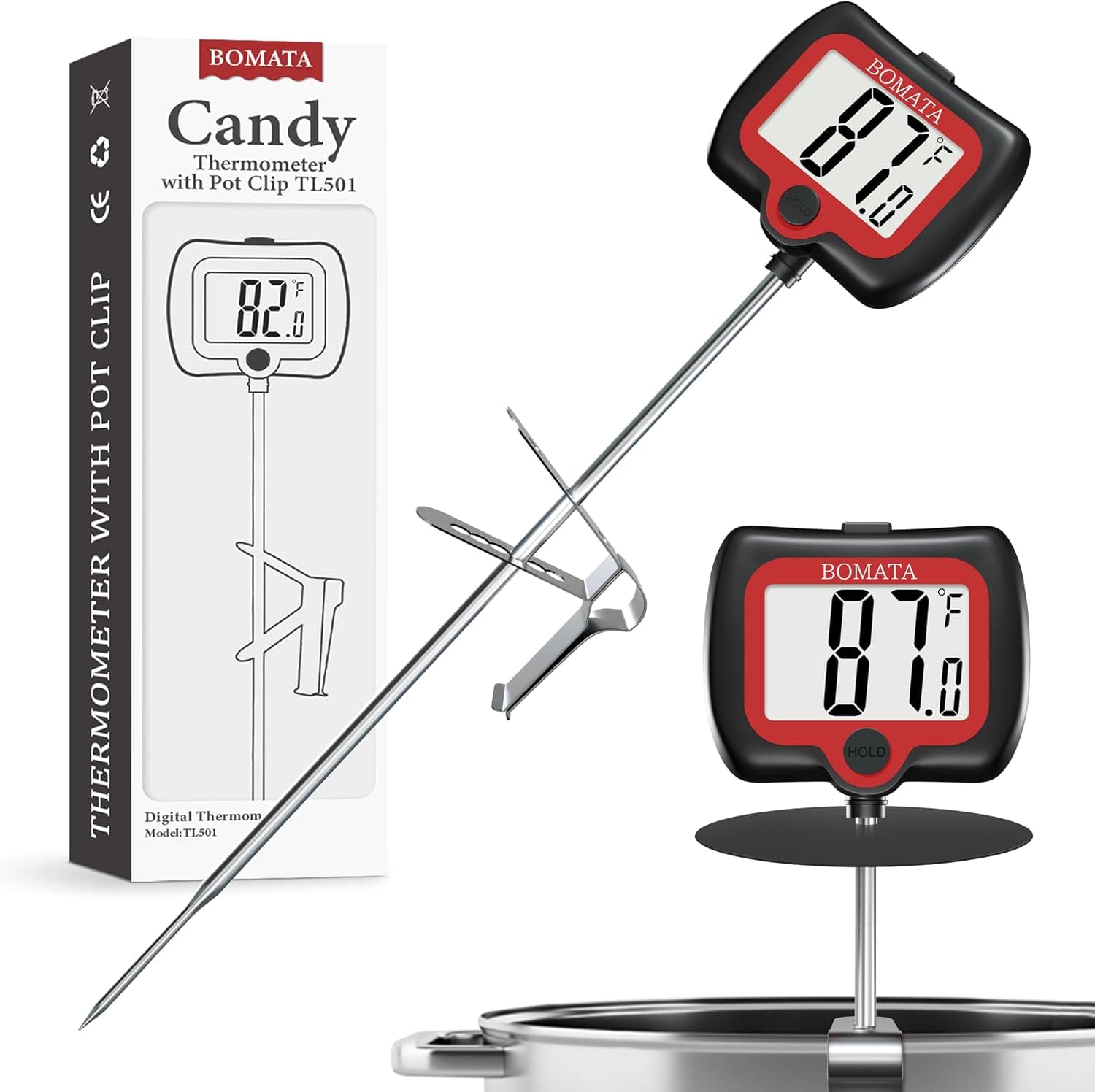
+ 1 Sec reading helps catch the exact fragrance add temp
From our guide: Best Candle Thermometers for Accurate Pours
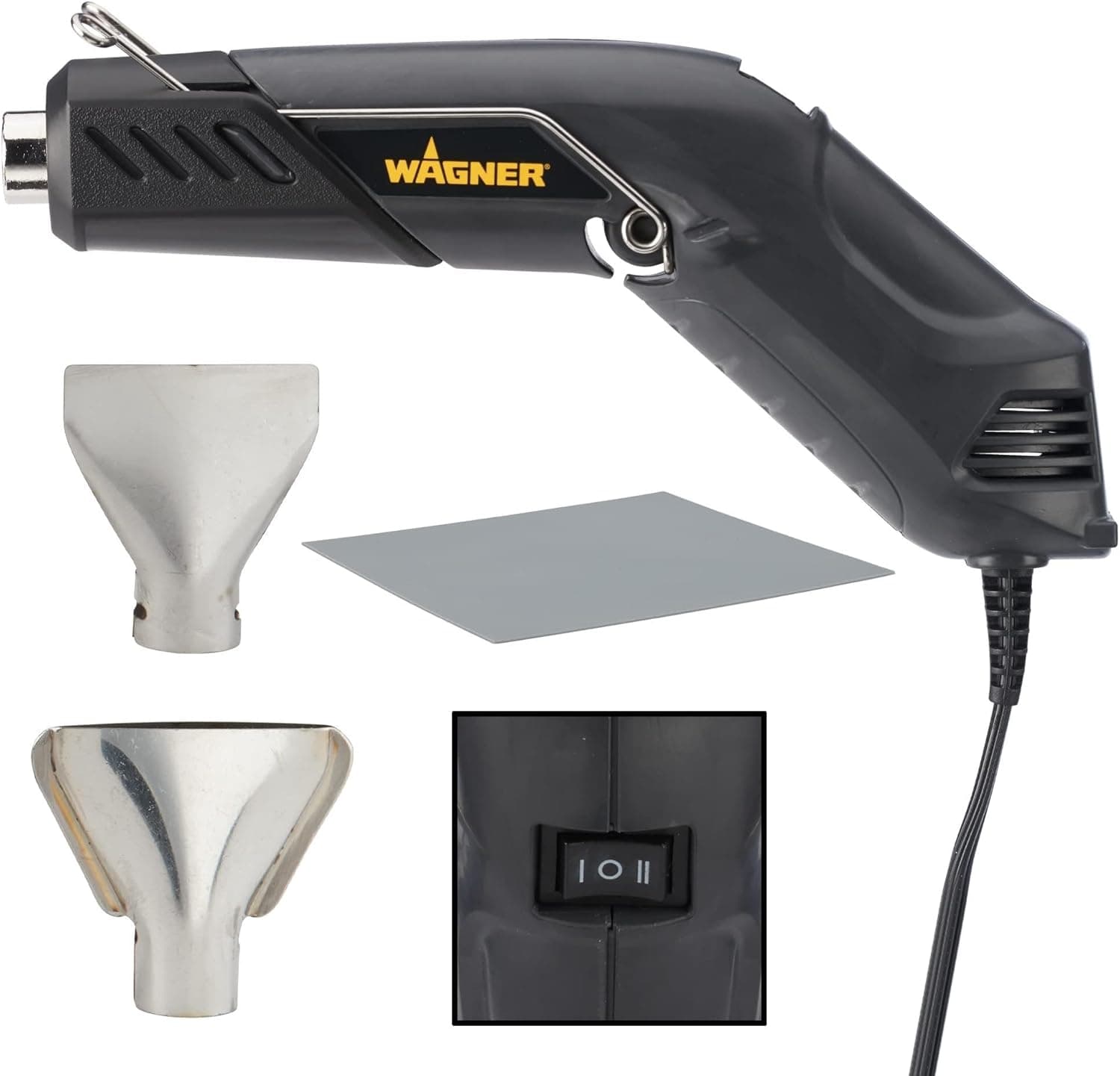
+ Dual temperature 680 and 450 degrees gives strong control
From our guide: Best Candle Melting and Pouring Equipment
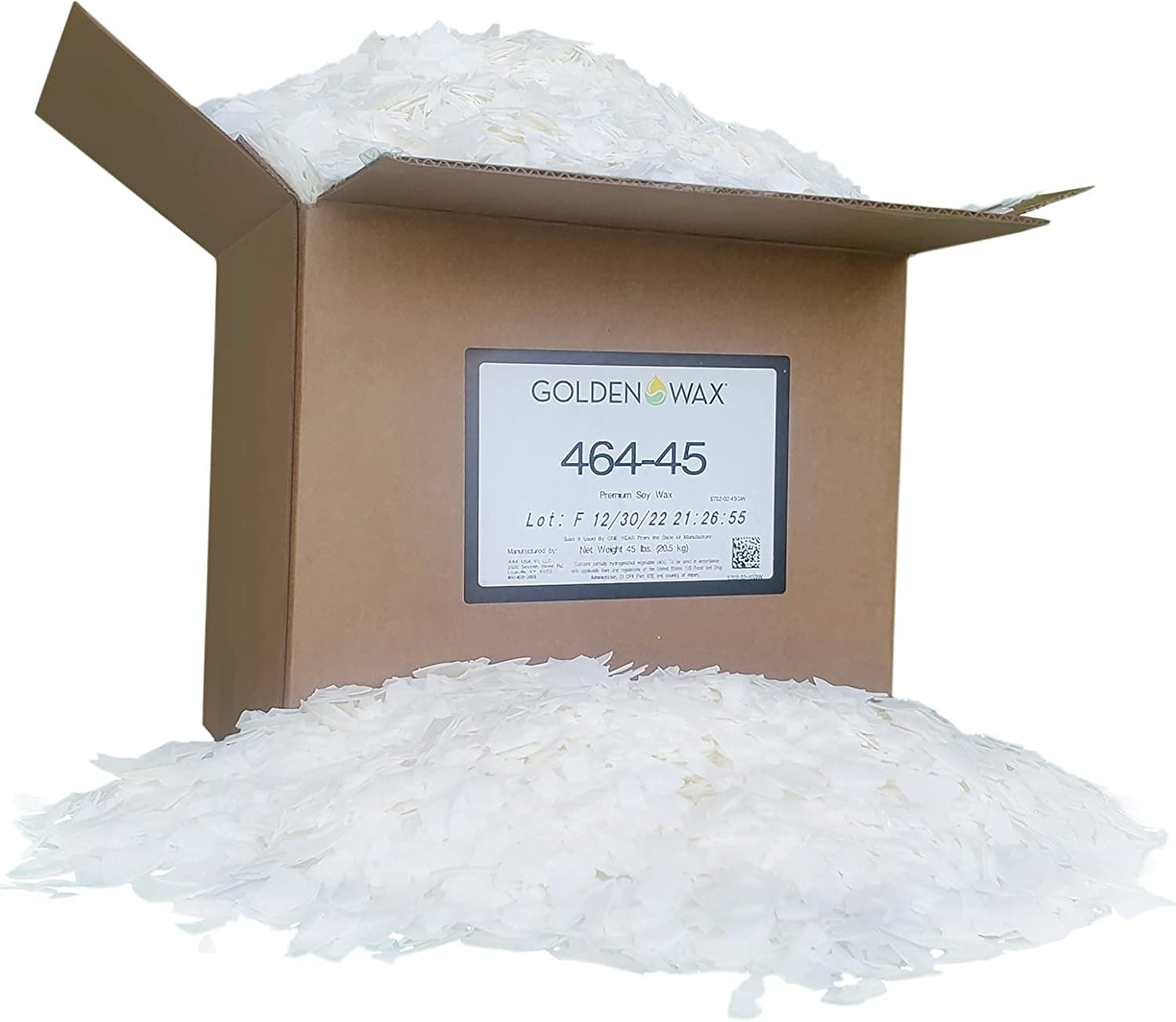
+ 464 is a widely used container soy blend, so plenty of tutorials match it
From our guide: Best Soy Wax for Candles
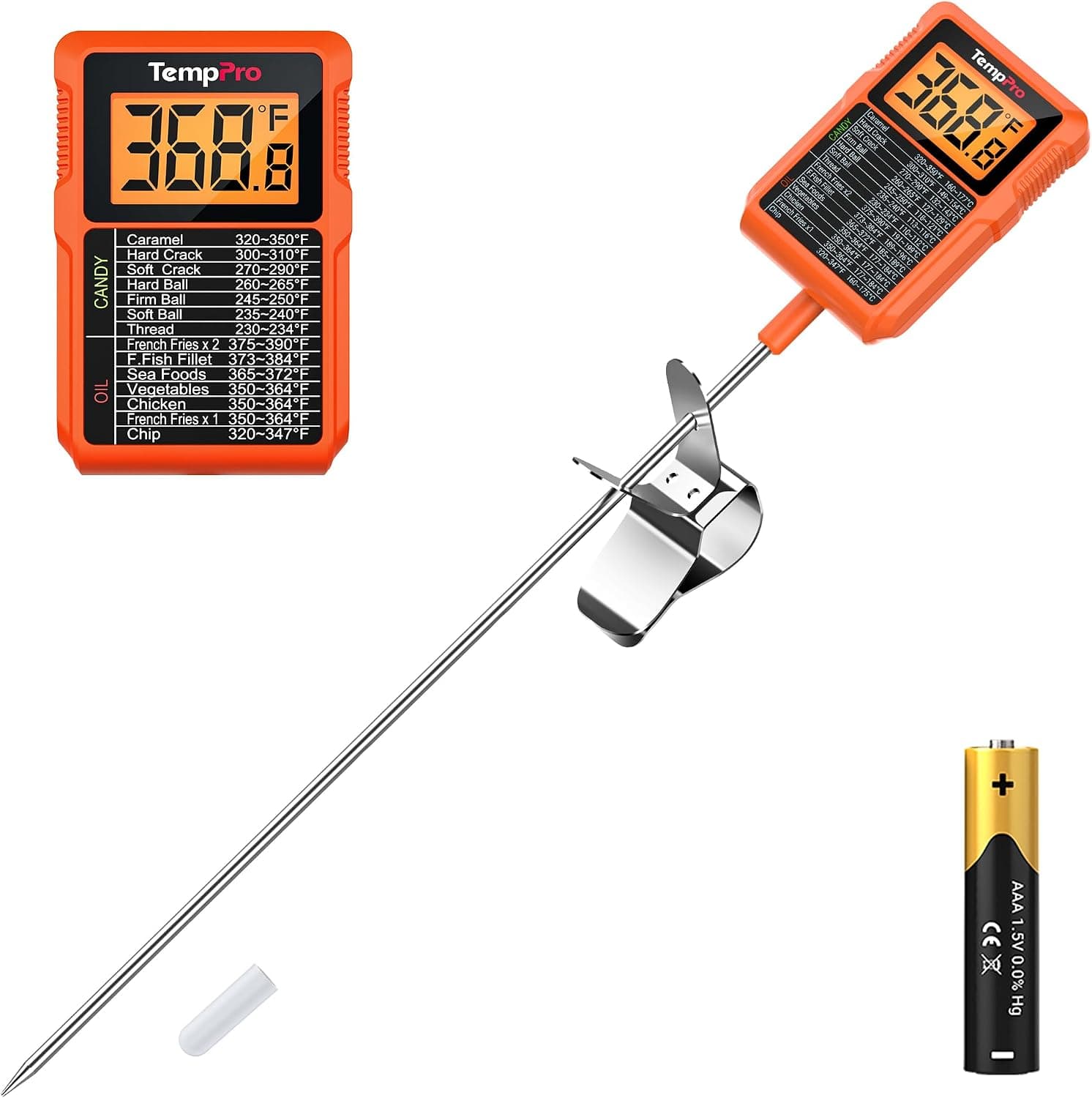
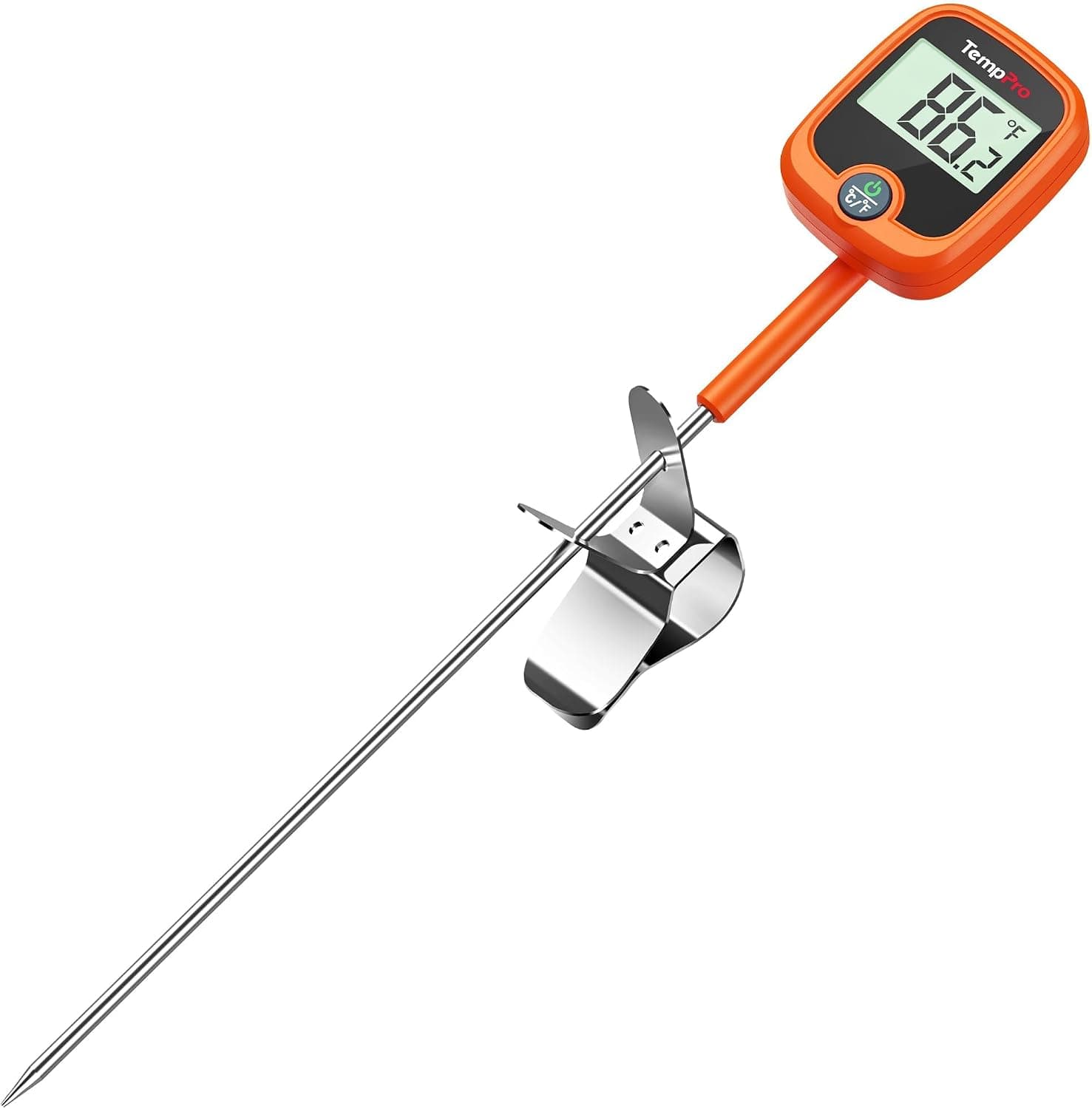
+ Large LCD is readable from across the work bench
From our guide: Best Candle Thermometers for Accurate Pours
Popular right now
- Packaging Candles for Shipping Without BreakageArticle
- Soy vs Beeswax vs Coconut WaxArticle
- Choosing Safe Vessels for Container CandlesArticle
- Best Ceramic Candle Vessels for a Premium LookBuying guide
- Labeling Candles for SaleArticle
- Burn Testing a New Candle Recipe From Start to FinishArticle
Based on the last 28 days of search and visitor data.