When to Add Fragrance Oil to Melted Wax
Published How we research
The moment you add fragrance oil to wax is a small step with an outsized effect on the finished candle. The goal is to get the oil fully bound into the wax rather than merely floating in it. That requires the wax to be hot enough for the oil to disperse and mix, but not so hot that volatile aroma compounds start to escape before the candle is even poured.
Most wax manufacturers specify a fragrance addition temperature, and it is usually higher than the pour temperature. A common range for soy container waxes sits around seventy to eighty degrees Celsius, but you should follow the data sheet for the wax you actually bought rather than a number from a forum. The reason the addition temperature is above the pour temperature is that binding takes heat, and you want that binding to happen fully before the wax starts crystallising.
Adding too hot has two costs. Light top notes are the most volatile part of a fragrance and they begin to evaporate as temperature rises, so a very hot addition can flatten a bright citrus or herbal blend into something duller than intended. More seriously, if the wax temperature is at or above the fragrance oil's flash point, you are working in genuinely unsafe territory. Check the flash point on the fragrance safety data sheet and stay below it.
Adding too cool causes incomplete binding. The wax may already be starting to set, and the oil ends up unevenly distributed through the candle. The symptoms show up later: patchy scent as the candle burns down, oily patches on the surface, poor adhesion to the glass, and sometimes visible separation. If your candles smell strong at the top and weak at the bottom, an addition temperature that was too low is a prime suspect.
Stirring is not optional and it takes longer than people think. Stir gently and continuously for a full two minutes after adding the oil. Set a timer rather than estimating, because thirty seconds of stirring feels like two minutes when you are impatient. Scrape the sides and bottom of the pitcher, since oil tends to sit where the stirrer does not reach. Stir slowly enough not to whip air into the wax, because trapped air causes surface bubbles and pitting.
If you use dye, decide on an order and keep to it. Many makers add dye first, stir it in, then add fragrance and stir again, so that each addition gets its own full mixing time. Liquid dyes disperse quickly, dye chips need the wax hot enough to dissolve fully, and undissolved dye specks will show as spots in the finished candle. Whatever order you pick, record it, because it is one more variable that affects reproducibility.
After stirring, let the wax cool to your pour temperature without reheating it. Reheating drives off more of the fragrance and undoes some of the work you just did. If the wax cools past the pour window while you are distracted, it is usually better to accept a slightly cool pour or gently rewarm to the low end of the range rather than taking it back up to melt temperature. Throughout all of this, keep the pot in view: never leave wax heating unattended, and keep water well away from hot wax, since even a small splash into a hot pitcher spits dangerously.
Products from this article
The highest-scoring picks from the buying guides mentioned above. Scores are our editorial assessment, not customer ratings.
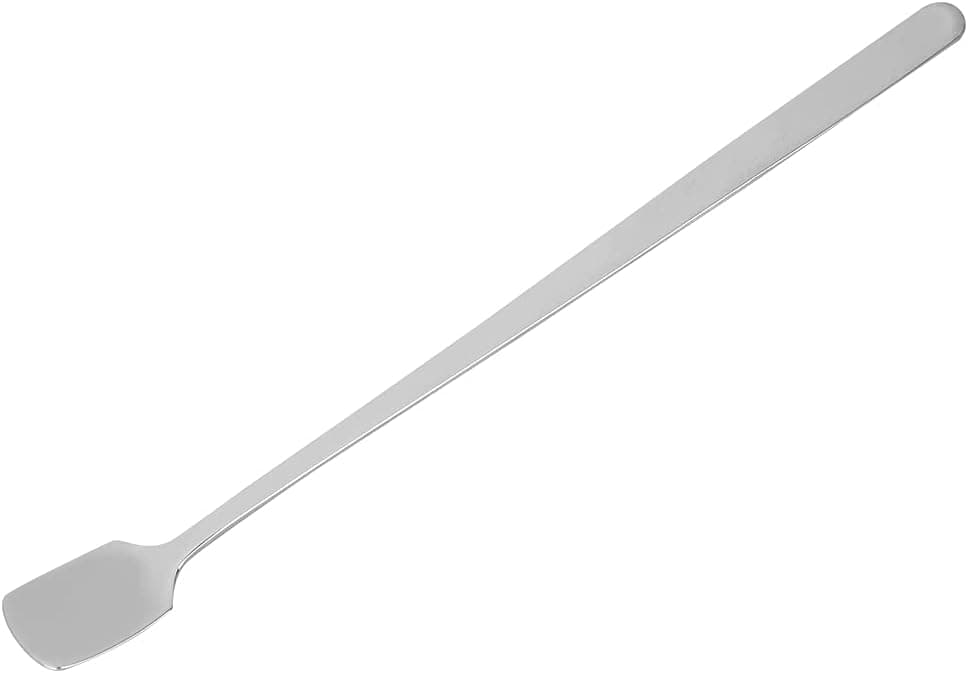
+ Square spoon head scrapes pitcher corners well
From our guide: Best Stirring Tools for Candle Wax and Fragrance
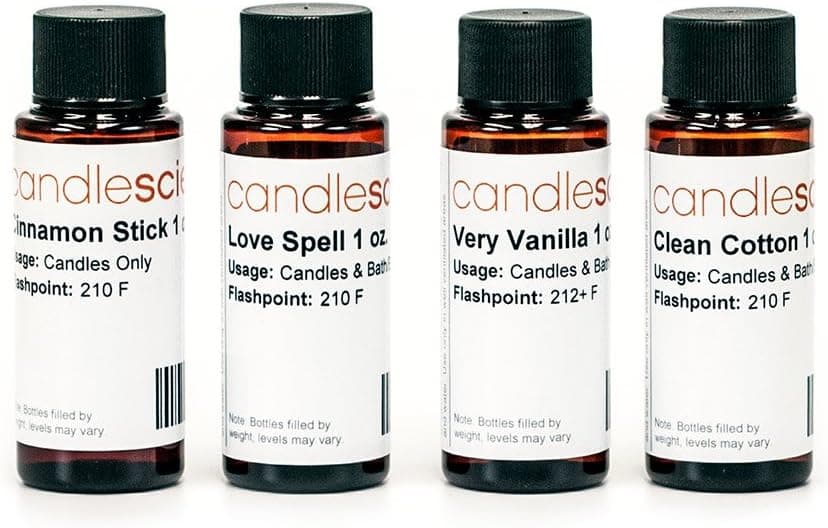
+ CandleScience oils are made and tested for candle making
From our guide: Best Fragrance Oil Sample Sets for Testing Scents
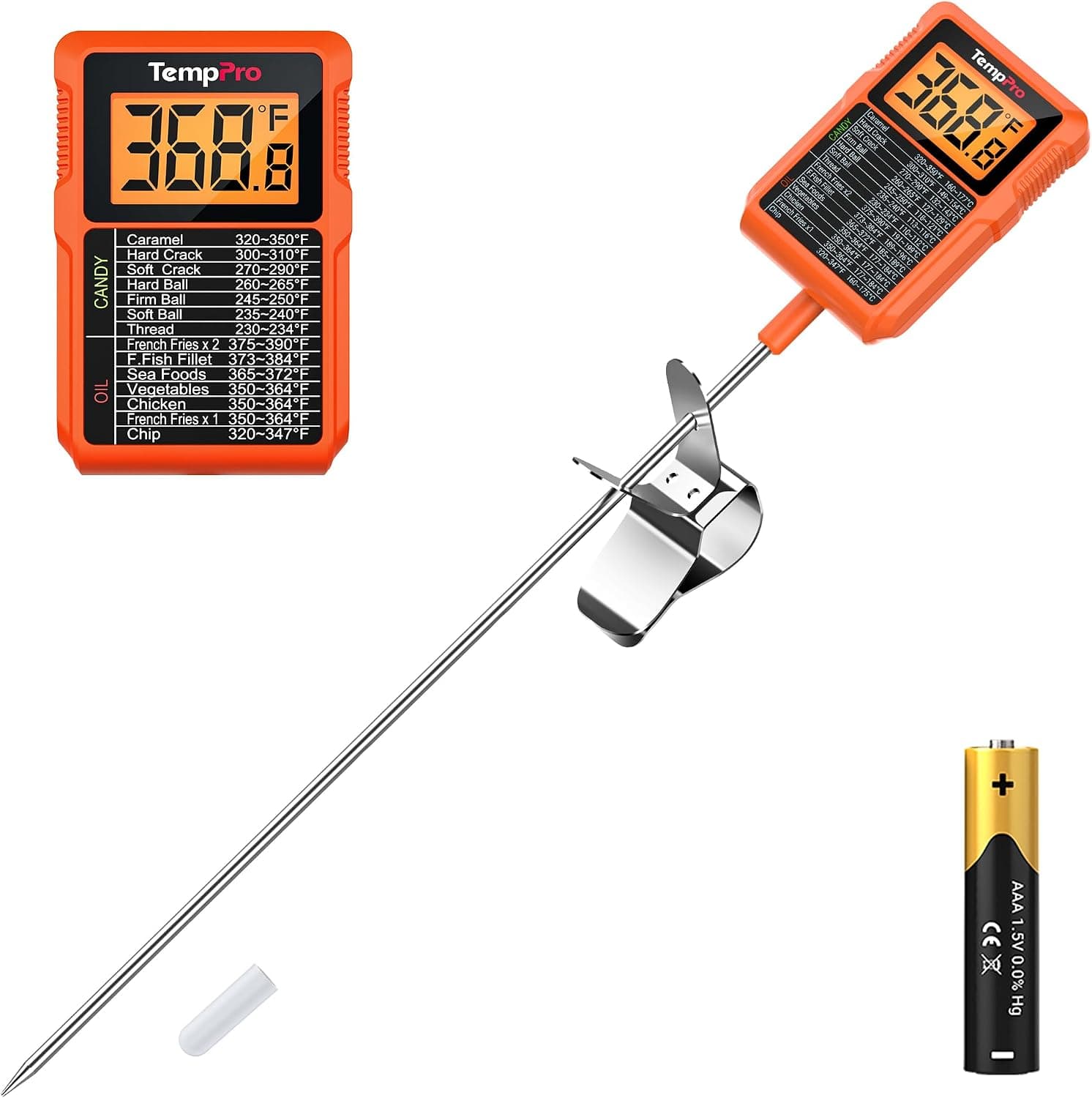
+ 1 Sec reading helps catch the exact fragrance add temp
From our guide: Best Candle Thermometers for Accurate Pours
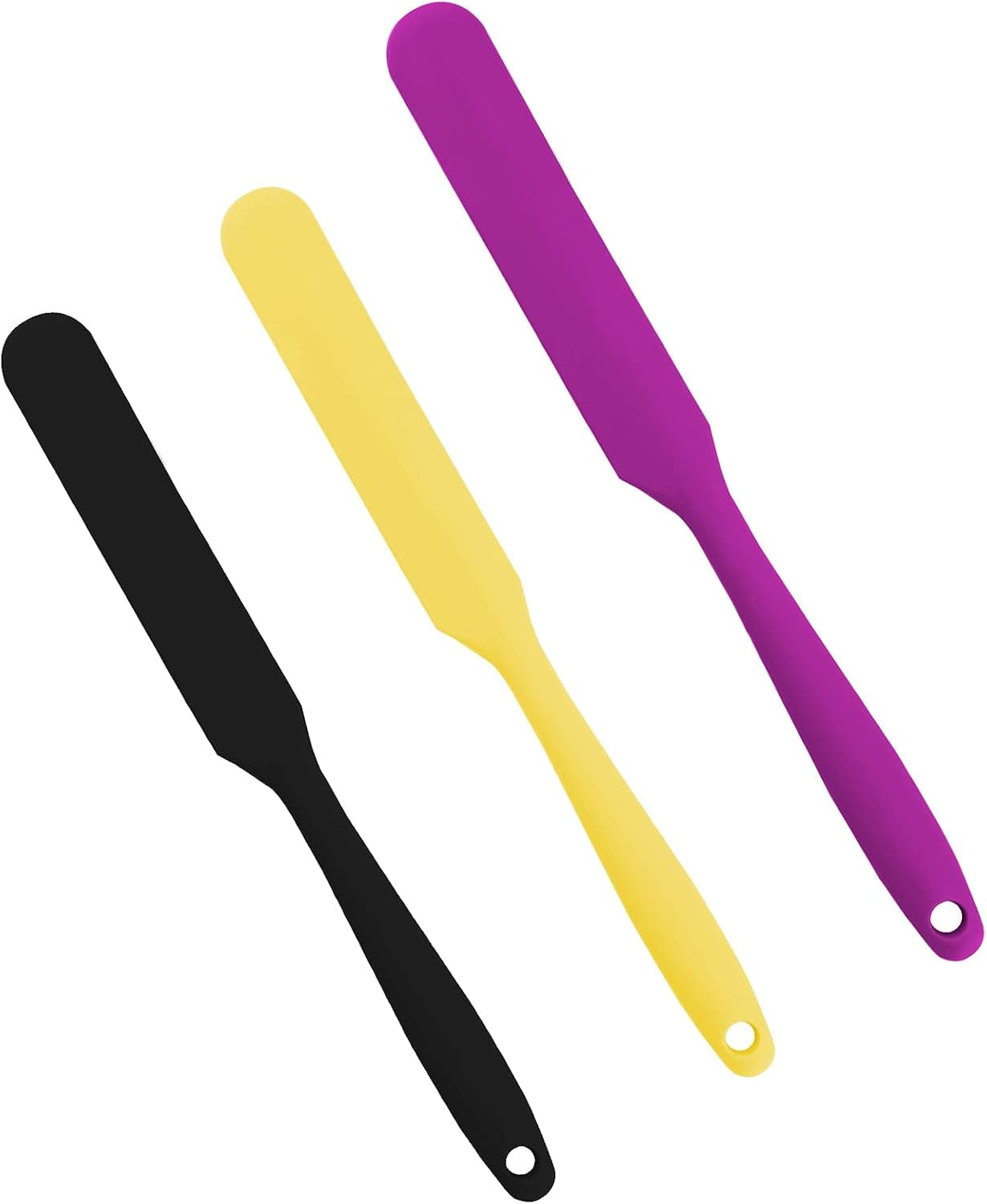
+ Silicone scrapes pitchers clean with little wax waste
From our guide: Best Stirring Tools for Candle Wax and Fragrance
Popular right now
- Packaging Candles for Shipping Without BreakageArticle
- Soy vs Beeswax vs Coconut WaxArticle
- Choosing Safe Vessels for Container CandlesArticle
- Best Ceramic Candle Vessels for a Premium LookBuying guide
- Labeling Candles for SaleArticle
- Burn Testing a New Candle Recipe From Start to FinishArticle
Based on the last 28 days of search and visitor data.