Why Your Candle Flame Is Tiny or Keeps Going Out
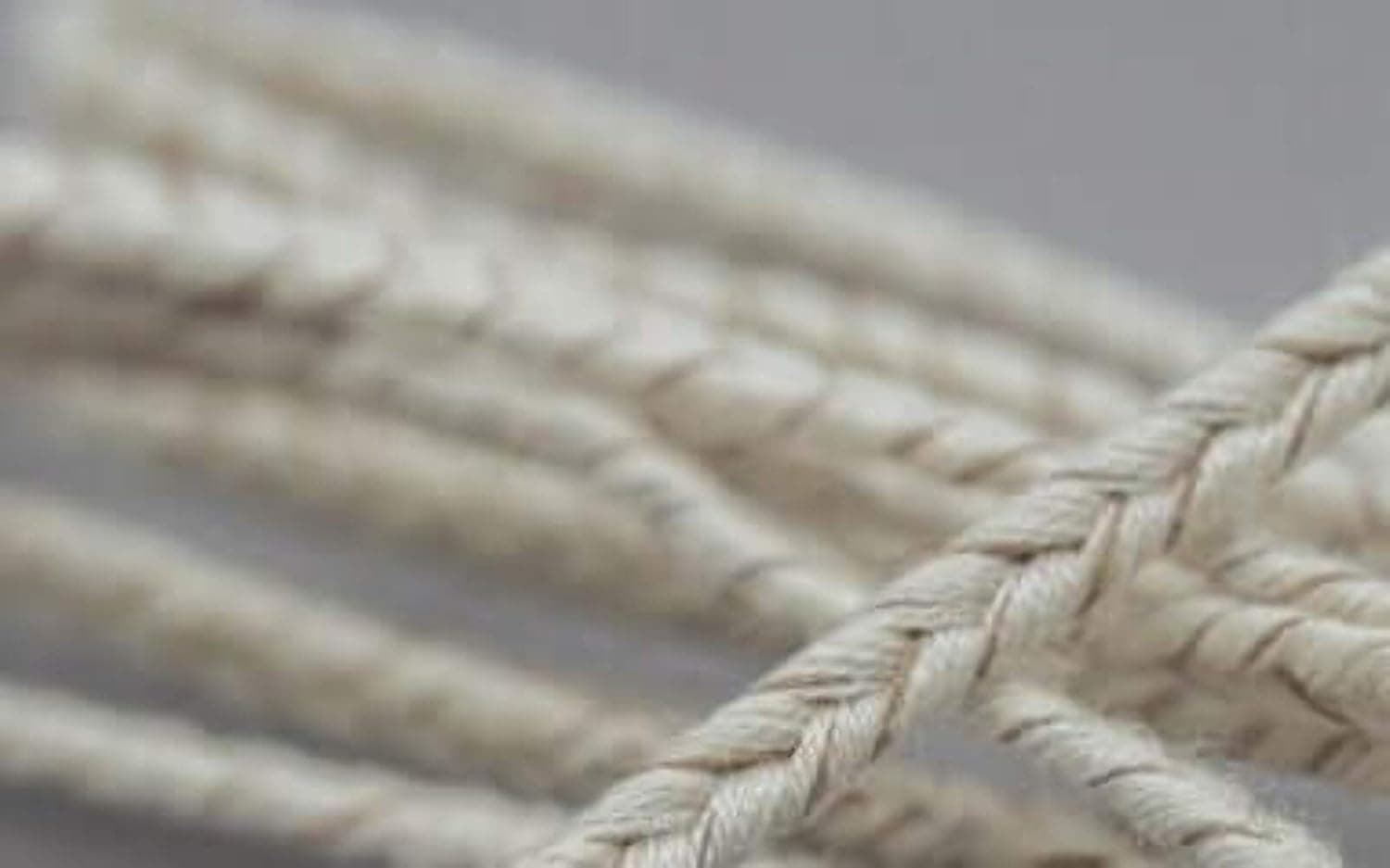
A candle with a weak, tiny flame struggles to melt wax across the container, gives off little fragrance and may eventually drown as melted wax overwhelms the wick. It is the opposite of a sooting candle, but it comes from similar causes: the wick and the wax formula are not matched. Undersized wicks, over-trimmed wicks, heavy fragrance or dye loads and very dense waxes all reduce flame size.
Signs of an undersized wick
An undersized wick produces a small flame that melts only a narrow pool of wax around the wick. Over several burns the candle tunnels down the centre, leaving thick walls of unmelted wax that can eventually collapse onto the flame and drown it.
A weak hot throw is another common sign, because a small melt pool releases little fragrance. If the flame shrinks as the candle burns deeper into the jar, the wick may be struggling with limited oxygen and wax build-up.
Test a larger wick size
The most reliable fix is testing larger wick sizes in the same vessel, wax, fragrance and dye combination. Wick sizing charts are only a starting point, since every formula burns differently.
Burn each test candle for several hours per session and record melt pool width, flame height and any tunnelling. Choose the wick that creates a full melt pool within a reasonable time without sooting or overheating the jar.
Avoid over-trimming
Trimming wicks helps prevent sooting, but trimming too short can starve the flame of fuel. A wick that barely rises above the wax surface struggles to draw enough wax.
Keep wicks around 1/4 inch (6 mm) unless the manufacturer recommends otherwise. Check that wicks are standing upright after pouring.
Review fragrance, dye and additives
Heavy fragrance and dye loads can clog wicks and reduce capillary flow. Some additives, such as high levels of stearic acid or certain vybar products, change how wax burns and may require different wicks.
Stay within recommended usage rates and test each new fragrance. Some fragrances burn heavier and need a larger wick.
Match wick type to wax
Different wax types need different wick series. Soy and coconut waxes often need wicks designed for natural waxes, while paraffin and blends may use other series.
Wooden wicks require their own testing and often need different width options. Consult supplier guides and test thoroughly.
Rescue a drowning candle
If a wick drowns, carefully pour off a small amount of melted wax into a heat-safe container, relight and let the melt pool widen. Never pour wax down drains.
For badly tunnelled candles, the wick may need replacing or the candle may need remelting. Record issues so you can adjust wick choice for future batches.