Getting a Strong Hot Throw From Your Candles
Published How we research
Hot throw is the scent a candle releases into a room while burning, and it is the single most requested improvement in candle making. The instinct is always to add more fragrance oil, which is usually the wrong first move. Hot throw is the output of a system, and the fragrance percentage is only one input. Work through the variables in order of impact and you will get much further than by pouring in more oil.
Start with cure time, because it is free and it is the most common explanation for a disappointing test. A soy candle burned two days after pouring will almost always underperform the same candle burned three weeks later. Before you change anything in your recipe, make sure you are judging fully cured candles. Many makers have reformulated a scent that was actually fine and simply young.
Next look at the wick, because the melt pool is what actually releases the scent. A candle that never reaches a full melt pool cannot throw properly no matter how much oil it contains, because only the melted surface is evaporating fragrance. An underwicked candle in a wide jar is the classic weak-throw candle. Confirm that your melt pool reaches the vessel wall within a normal burn session before you touch the fragrance load. Do not overcorrect either, since an overwicked candle burns the fragrance off fast, smells harsh and can be unsafe.
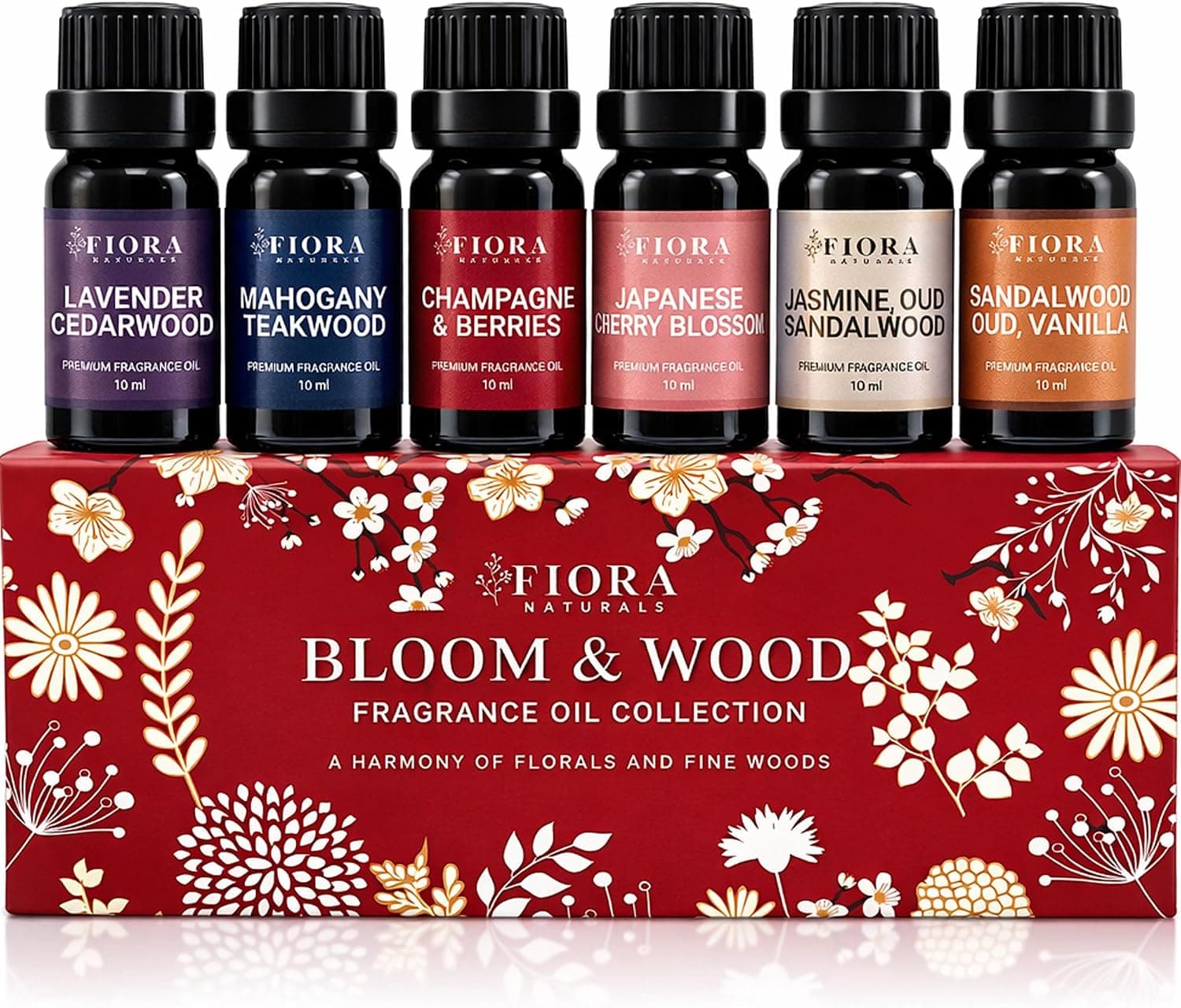
Then consider the fragrance oil itself. Oils differ enormously in strength and in how well they carry through a room. Some are formulated for soap or diffusers and simply do not perform in wax. Some scent families, particularly light citrus and delicate florals, are naturally harder to throw than vanilla, spice and woody blends. If one oil disappoints across two wick sizes and a full cure, the oil may be the problem rather than your process. Buy small sizes from candle-focused suppliers and test before committing.
Only after those three should you adjust the load. Move in small steps, one percentage point at a time, and stay at or below the wax manufacturer's maximum. Overloading past the maximum causes oil separation, surface sweating, degraded burn and a genuine fire risk, and it makes throw worse rather than better. If you increase the load meaningfully, retest the wick, because more oil changes how the candle burns.
The wax and the vessel both set a ceiling on what is achievable. Some waxes carry fragrance more readily than others, and coconut and paraffin blends generally make strong throw easier than straight soy. Vessel geometry matters too: a narrow-necked jar traps scent, a wide open bowl releases more surface area, and a small candle in a large open-plan room will always seem weak. Match candle size to room size, and be honest with customers about what a small tin can do.
Finally, control how you evaluate. Burn the candle for at least an hour in a closed normal-sized room, then leave the room for a few minutes and come back in. Your nose adapts to a scent within minutes of continuous exposure, so a candle that seems to fade is often just nose fatigue. Test one candle at a time, avoid wearing perfume during evaluation, and get a second opinion from someone who has not been in the room. Always burn test candles on a heatproof surface, away from anything flammable, and never leave them unattended.
Products from this article
The highest-scoring picks from the buying guides mentioned above. Scores are our editorial assessment, not customer ratings.
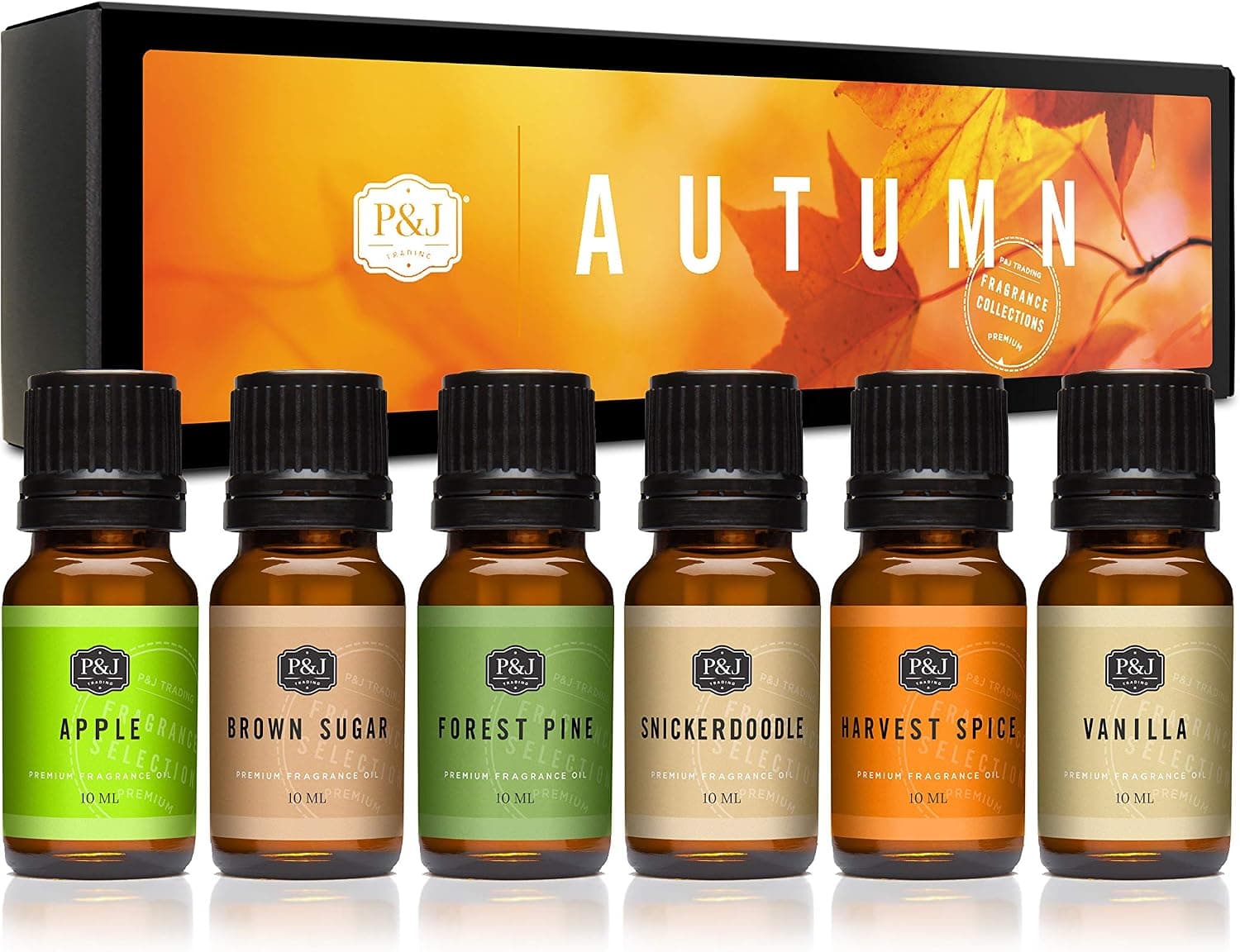
+ Autumn scent lineup is ready made for fall candle sales
From our guide: Best Candle Fragrance Oils for Strong, Clean Scent Throw
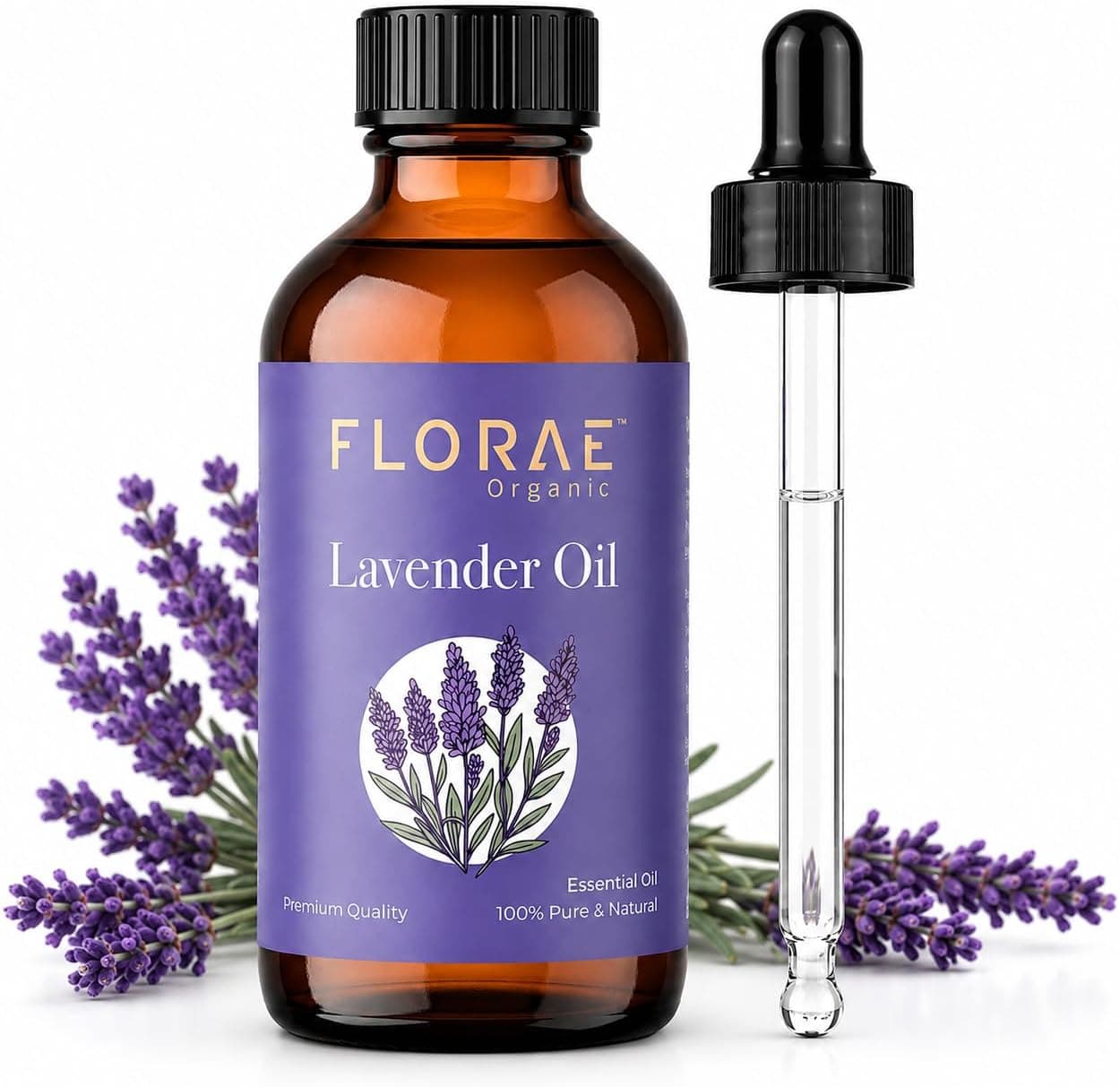
+ 4 Fl Oz bottle is enough for a real batch of lavender candles
From our guide: Best Essential Oils for Candles and What to Expect
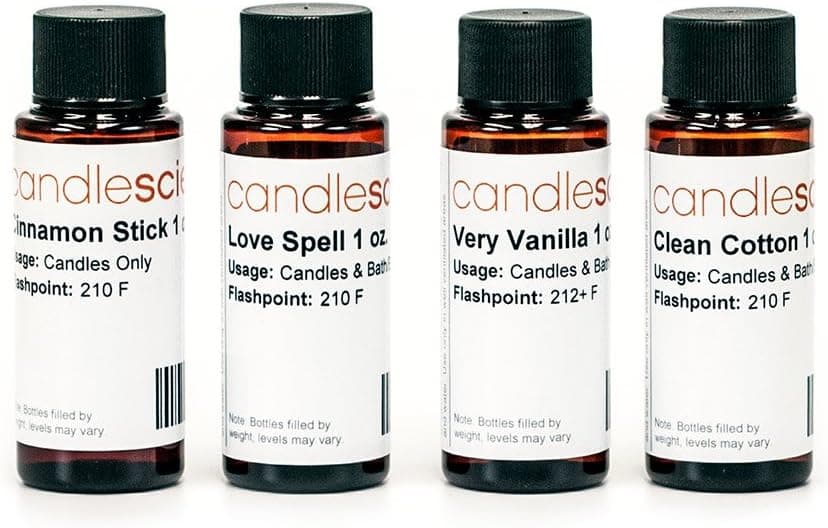
+ CandleScience oils are made and tested for candle making
From our guide: Best Fragrance Oil Sample Sets for Testing Scents
+ Nostalgic dessert and campfire scents stand out on shelves
From our guide: Best Candle Fragrance Oils for Strong, Clean Scent Throw
Popular right now
- Packaging Candles for Shipping Without BreakageArticle
- Soy vs Beeswax vs Coconut WaxArticle
- Choosing Safe Vessels for Container CandlesArticle
- Best Ceramic Candle Vessels for a Premium LookBuying guide
- Labeling Candles for SaleArticle
- Burn Testing a New Candle Recipe From Start to FinishArticle
Based on the last 28 days of search and visitor data.