Labeling Candles for Sale
Published How we research
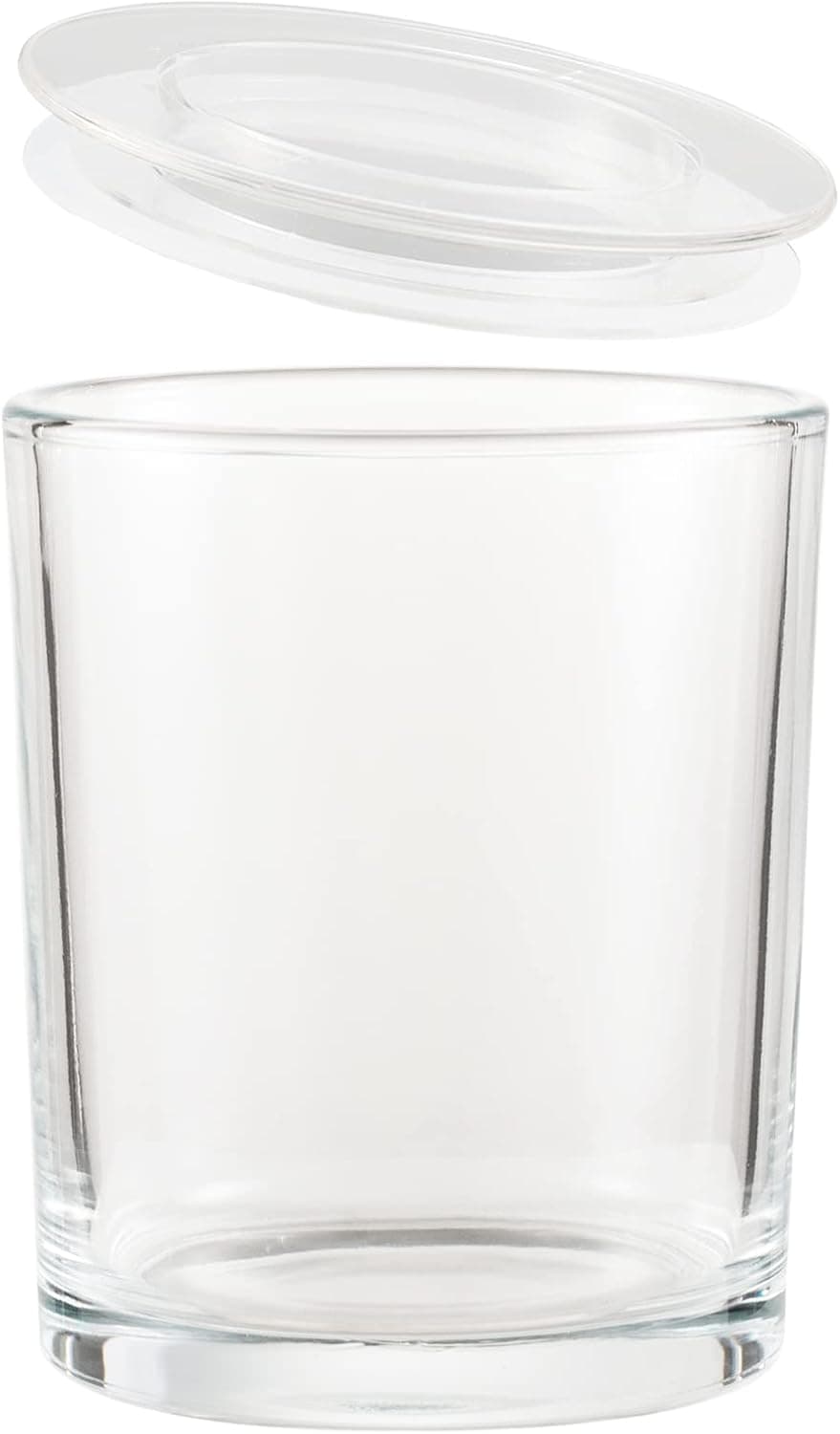
Legal requirements vary by country and region, so check your own local rules before selling; this covers what makers commonly include. The front label carries business name, scent name, and net weight, kept legible for reorders. The base label holds practical information: net weight, burn time, wax and wick type, allergen notes, and batch date for traceability. The warning label should never be improvised, covering standard cautions like never leaving a burning candle unattended and trimming the wick before each burn. Material matters too, use label stock rated for moisture, applied to a clean dry vessel. Plan the physical layout early and keep documentation with every batch. A candle label does two jobs. It sells the product on a shelf, and it carries the safety and identification information that a buyer needs. Makers often perfect the first and neglect the second. Getting both right is largely a matter of planning the label at the same time as the product rather than the night before a market.
Requirements vary by country, so check your own rules
The requirements for what must legally appear on a candle label vary by country and sometimes by region, and they change over time. This article describes what makers commonly include, not what the law requires of you. Check your own local rules before you sell anything, and if you sell across borders, check the rules of every market you ship to. Trade bodies and candle industry associations in your country are usually the fastest route to current guidance.
The front label is the identity of the product
The front label is the identity of the product. It typically carries the business name, the scent name, and often the net weight or volume of the product. Keep the scent name legible and consistent with how it appears in your listings, because customers reorder by name. If you use a font or colour that is hard to read at arm's length, it will cost you sales at a market stall.
The base or back label is where practical information lives
The base or back label is where practical information lives. Makers commonly include the net weight, the burn time guidance, the wax type, the wick type, whether the candle is fragranced, an ingredient or allergen note where relevant, a batch or pour date so you can trace a complaint back to a specific batch, and contact details for the business. Batch coding costs nothing and is enormously helpful when a customer reports a problem six months later.
The warning label should never be improvised
The warning label is the part that should never be improvised. The standard set of candle warnings that makers use covers: never leave a burning candle unattended, keep away from children and pets, keep away from anything that can catch fire, burn on a heatproof and stable surface, trim the wick before each burn, do not burn for longer than the recommended session length, keep away from draughts, do not move the candle while lit or while the wax is liquid, and stop burning when a small amount of wax remains in the base. Many jurisdictions expect a warning label of a particular size and placement, which is another reason to check your local rules.
Material and durability matter more than people expect
Material and durability matter more than people expect. A paper label on a jar base will absorb spilled wax and lift. Use a label stock rated for the surface and for some moisture, apply it to a clean dry vessel, and burnish it down properly. Test a labelled jar by handling it as roughly as a market shopper would, and if you ship, test one in a parcel. Also confirm the label does not sit where the flame will heat it, and never place a paper label on the inside or the upper rim of a vessel.
Plan the physical layout and keep paperwork with your labels
Plan the physical layout early. Measure the base of your vessel and design to fit it with a margin, since a base label that overhangs will peel. If your warning text and your product information both need to fit on a small tin, consider a base warning label plus a hang tag or an insert card for the rest. Keep a printed proof of every label version with its date so you know what shipped with which batch. Finally, keep your paperwork with your labels. Save the safety data sheets from your fragrance suppliers, your wax specifications, and your burn test records for each product. If a question ever arises about a candle you sold, being able to produce the batch record, the test results and the supplier documentation is what separates a quick answer from a serious problem. Again, confirm what your own local rules require, since documentation expectations differ.
Frequently asked questions
What information usually goes on a candle's back label? Net weight, burn time guidance, wax type, wick type, whether it's fragranced, an allergen note where relevant, a batch or pour date for traceability, and contact details for the business.
What standard warnings appear on candle labels? Never leave a burning candle unattended, keep away from children and pets and flammable items, burn on a heatproof stable surface, trim the wick before each burn, and stop burning when a small amount of wax remains in the base.
Why does batch coding matter on candle labels? It costs nothing to add and is enormously helpful when a customer reports a problem months later, letting you trace a complaint back to a specific batch.
What kind of label material should be used on a candle jar? A label stock rated for the surface and some moisture, applied to a clean dry vessel and burnished down properly, since a plain paper label on a jar base will absorb spilled wax and lift.
Products from this article
The highest-scoring picks from the buying guides mentioned above. Scores are our editorial assessment, not customer ratings.
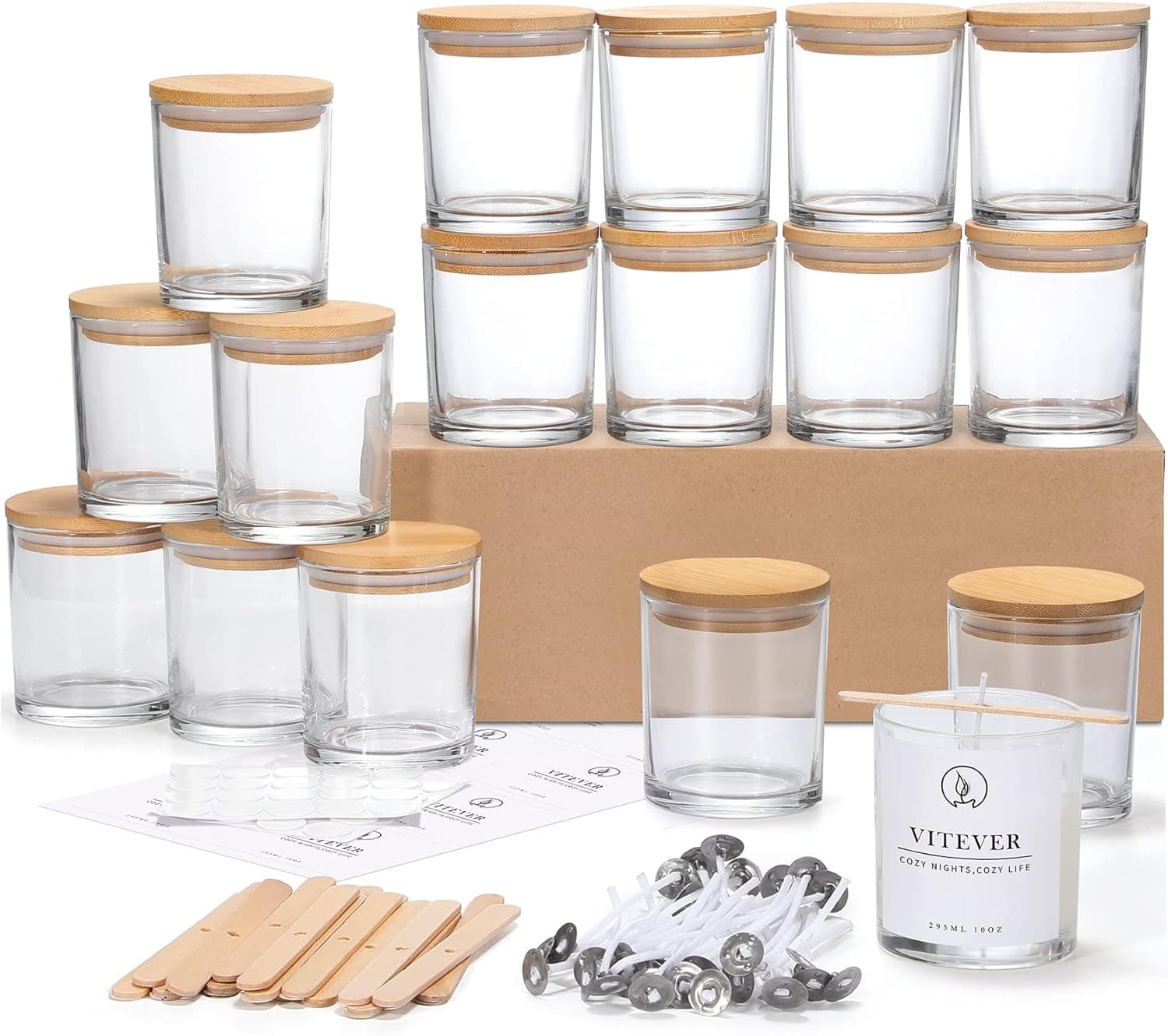
+ 16 pack of 10 OZ jars is great value for a first product line
From our guide: Best Candle Jars for Homemade Candles
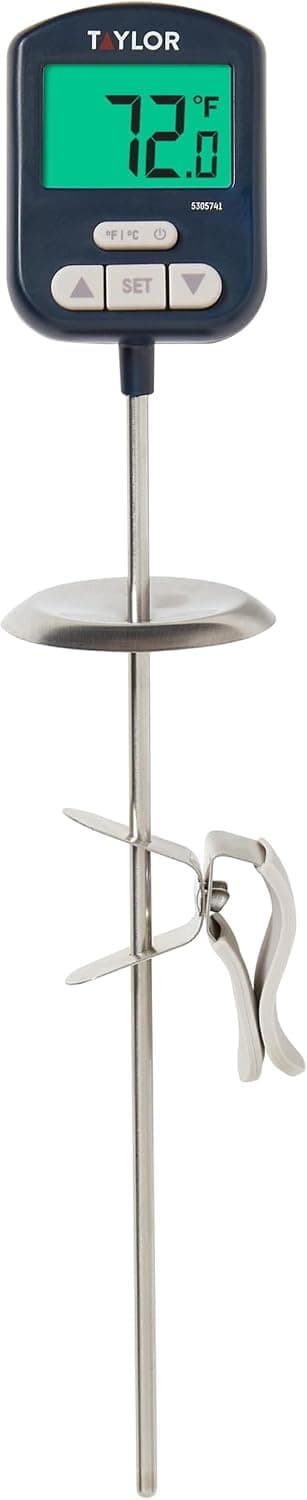
+ Heat shield protects hands when reading over hot wax
From our guide: Best Candle Making Safety Gear
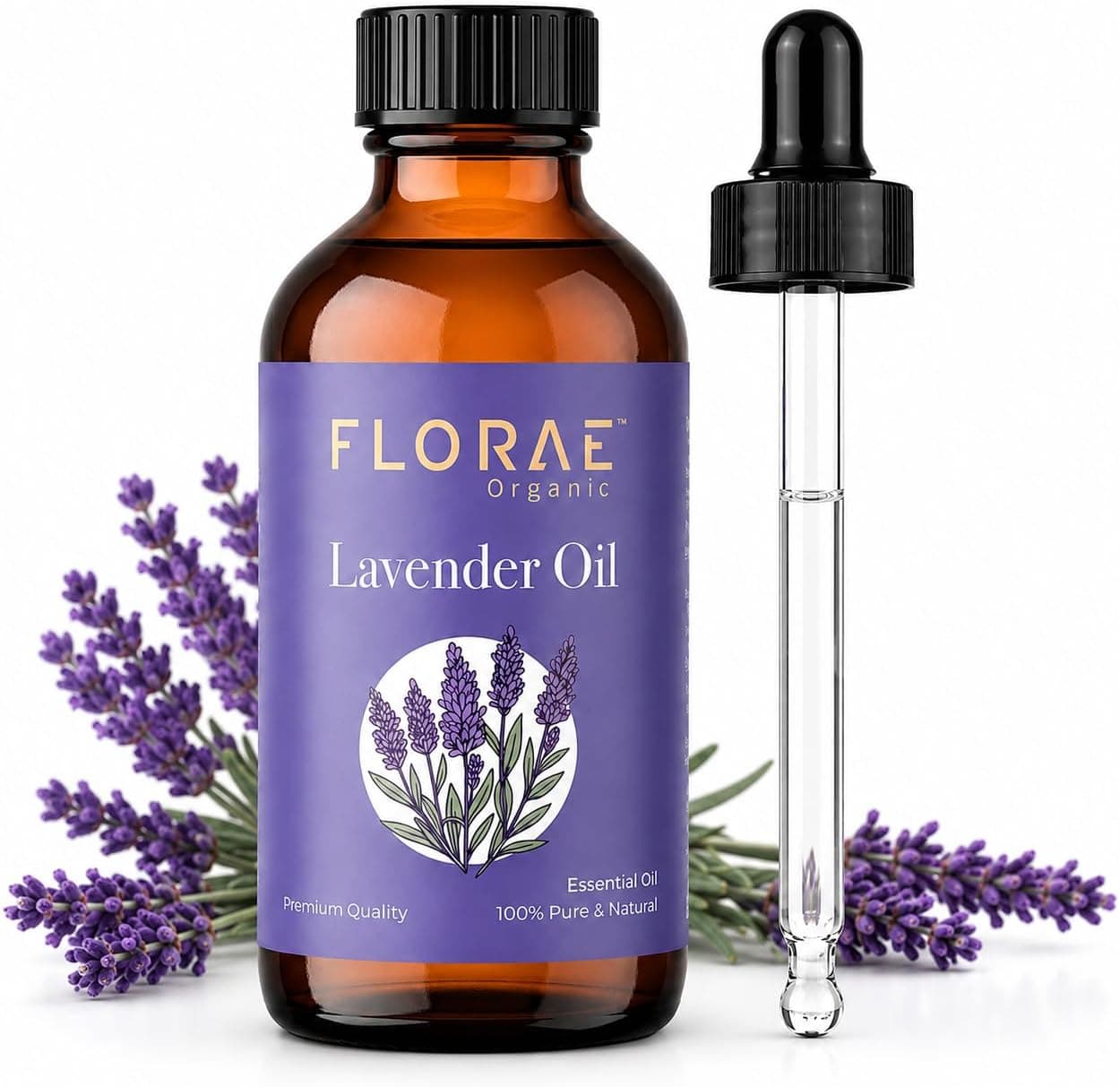
+ 4 Fl Oz bottle is enough for a real batch of lavender candles
From our guide: Best Essential Oils for Candles and What to Expect
+ CandMak focuses on candle making supplies and kits
From our guide: Best Candle Jars for Homemade Candles
Popular right now
- Packaging Candles for Shipping Without BreakageArticle
- Soy vs Beeswax vs Coconut WaxArticle
- Choosing Safe Vessels for Container CandlesArticle
- Best Ceramic Candle Vessels for a Premium LookBuying guide
- Burn Testing a New Candle Recipe From Start to FinishArticle
- When to Add Fragrance Oil to Melted WaxArticle
Based on the last 28 days of search and visitor data.