How to Clean and Reuse Candle Jars: From Empty Candle to Fresh Vessel
Published How we research
To reuse a candle jar, remove the leftover wax, wash away residue and labels, dry the glass completely, and check it for cracks or chips before filling it with a new wick and wax. Not every jar is a good vessel, so judge each one on thickness, shape and condition. A clean, intact jar can become a new candle, a pen holder or a planter, but only glass without damage should ever hold a burning candle. This guide walks through cleaning, inspection and refilling.
Products from this article
The highest-scoring picks from the buying guides this article links to. Scores are our editorial assessment, not customer ratings.
As an Amazon Associate we earn from qualifying purchases. This does not change our picks. Affiliate disclosure
New to Prime? Try Prime free for fast, free shipping on eligible items.
+ Fifteen 10 oz (296 ml) jars in one color, enough for a full batch with matching vessels
From our guide: Best Candle Jars for Homemade Candles
+ Open center design is made for candles with wooden or cotton wicks, per the listing
From our guide: Best Candle Jar Lids for Storage and Finish
+ 4.1-inch length spans wider candle containers than the common 3.9-inch centering bars
From our guide: Best Wick Centering Tools
+ Easy lift tab speeds up peeling when setting many jars
From our guide: Best Wick Tabs and Stickers
Check the jar before you invest time in it
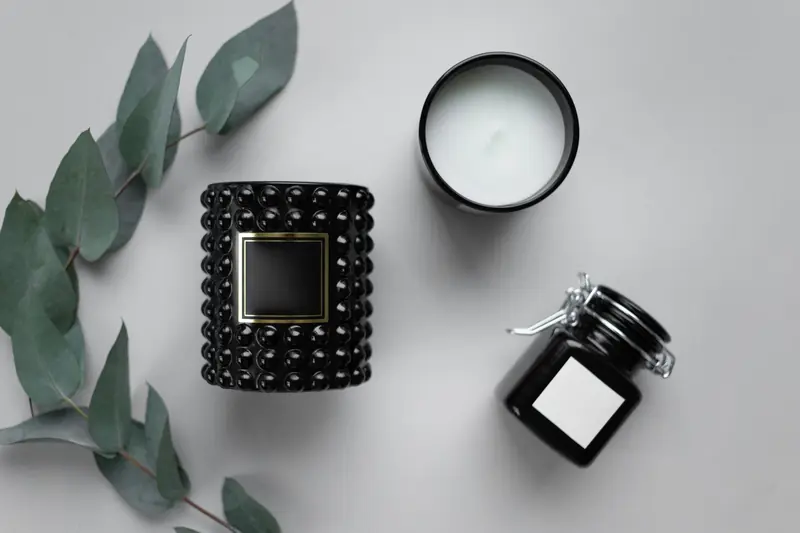
Hold the empty jar up to the light and look for hairline cracks, chips on the rim, cloudy spots or heavy scratching. Damaged glass can fail under heat. Very thin glass, such as a drinking glass or a food jar of unknown type, may also not be suitable for candles. When in doubt, use the jar for storage or craft purposes instead.
Also note whether there is paint, a metallic coating or a printed design. Coatings can degrade with heat or washing. A simple, thick, straight-sided jar is usually the most practical choice for pouring again. Make a pile of good jars and set aside any that fail the inspection.
Remove the old wax
Freezing the jar for a few hours often lets the wax pop out in one piece. Warm methods work too, such as standing the jar in hot water or warming it briefly, then pouring the melted wax into a disposable container. Never pour wax down a drain. Collect any leftovers in a tin, let them set, and keep them for wax melts if the scent and color suit.
Pull out the old wick and the metal tab at the bottom. If the tab is stuck on, loosen it with a dull tool, or soak it in warm water until the adhesive lets go. Be gentle with the glass, as scratching the bottom can leave a rough surface that makes the next wick tab difficult to fix in place.
Wash off residue and labels
Wash the jar in hot water with dish soap and a bottle brush. Warm soapy water takes care of most of the film left by wax and fragrance. For stubborn spots, wipe the glass with a cloth and a little rubbing alcohol, ventilating the room and keeping it away from flame. A sponge with baking soda can scrub away dull marks.
Labels can be soaked in warm soapy water and peeled off. Sticky glue left behind responds to cooking oil rubbed in for a few minutes, followed by dish soap. Rinse well, because any remaining oil or soap film can stop fresh wax from gripping the glass and cause patchy edges later.
Dry the jar completely
Moisture is the enemy of a good pour. Even a few drops can make wax pull away from the glass or leave marks. Let the jar air dry upside down on a clean towel, then wipe the inside with a lint-free cloth. If you are in a hurry, a low oven for a few minutes or a pass with a hair dryer will finish the job. Let the glass cool before touching it.
Hold the clean jar to the light once more. Any dust, fibers or streaks will be locked in as soon as the wax sets, so now is the moment to wipe them away.
Refill with a new wick and wax
Fix a fresh pre-tabbed wick to the center of the base with a sticker or a small dot of hot glue, and hold it upright using a centering tool. The wick size should match the width of the jar, so a jar that held a thin candle before may need a different wick this time. Use the wax maker's pour temperature, and warm the jar slightly if the recipe calls for it.
Do not reuse an old wick. It is likely to be shorter and may carry residue. Treat every refill as a new recipe, and run a test burn before giving or selling the candle, watching the flame, melt pool and soot.
Cleaning tips for different types of jar
Amber and colored glass hide residue well, but they scratch like any other glass, so avoid steel wool. Frosted or painted jars may lose their finish in hot water, so wash those by hand with warm, not boiling, water and a soft cloth. Jars with a rubber or silicone seal should have the seal removed before cleaning, as wax can hide in the groove.
Metal lids and tins can rust if they stay wet. Dry them at once and store them with the lid slightly open. Wooden or bamboo lids should not be soaked. Wipe them with a damp cloth instead and let them dry in open air.
If a smell lingers in the jar, a rinse with warm water and baking soda, followed by a wash in soapy water, usually removes it. A strong leftover fragrance can contaminate a new candle with a different scent, so be thorough when switching between very different fragrance types.
Safety checks before you light a refilled jar
Before a refilled jar goes anywhere near a flame, test the glass by looking again for fine cracks after it has been warmed by the first pour. Place the candle on a heat-safe surface, light it for a short test burn and feel for unusual heat on the outside. A jar that gets uncomfortably hot, or makes a ticking sound, should be retired right away.
Never burn a candle in a jar with a chipped rim, since chips can grow into cracks. Keep burning candles away from drafts, curtains and shelves, and never leave them burning when you leave the room.
Other ways to reuse jars
Jars that fail the candle test still have uses. They can hold cotton swabs, brushes, pens or loose hardware, and make good planters for small succulents if a drainage layer is added. They can also store bulk fragrance samples or dye chips in a workshop, provided they are labelled clearly and kept out of reach of children.
Whatever you choose, remember that a jar from one project is not automatically safe for another. Burning candles needs heat-safe glass, so keep that use for jars you have inspected.
Popular right now
- Best Heat Guns for Candle MakingBuying guide
- Best Wooden Wicks for CandlesBuying guide
- Best Soy Wax for Candle MakingBuying guide
- Pillar wax explainedGlossary
- Best Paraffin Wax for CandlesBuying guide
- Choosing Safe Vessels for Container CandlesArticle
Based on the last 28 days of search and visitor data.