What Is Paraffin Wax? How It Is Used in Candles, Grades and Safety Basics
Published Updated How we research
Paraffin wax is a white or colorless wax refined from petroleum. It has been used in candle making for well over a century and remains one of the most widely sold candle waxes because it is available in many grades, takes dye and fragrance well and sets to a smooth finish. It is sold as blocks, slabs and pastilles, with melting points that suit different candle types. This guide explains what paraffin wax is, how the grades differ, how it behaves in candles and what to keep in mind for safe use, without making claims that need laboratory proof.
Products from this article
The highest-scoring picks from the buying guides this article links to. Scores are our editorial assessment, not customer ratings.
As an Amazon Associate we earn from qualifying purchases. This does not change our picks. Affiliate disclosure
New to Prime? Try Prime free for fast, free shipping on eligible items.
+ High melt paraffin blend holds shape in molds and freestanding pillars
From our guide: Best Paraffin Wax for Candles
+ 11.25 pound slab lets hobbyists test IGI 4625 without bulk cost
From our guide: Best Pillar Wax for Candles
+ Single pour container wax cuts down on second pours and top fixes
From our guide: Best Candle Wax Blends
+ Listing states fragrance oil retention of 6 to 10% is typical for this wax
From our guide: Best Paraffin Wax for Candles
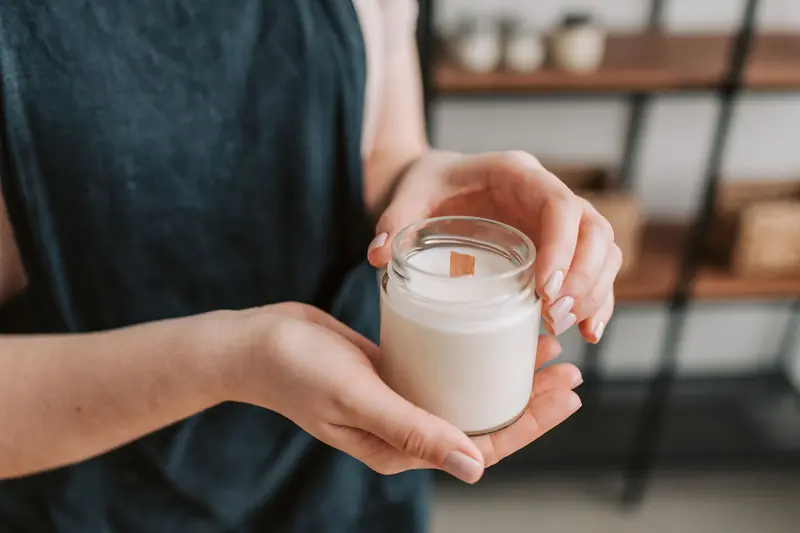
Where paraffin wax comes from
Paraffin wax is a by-product of refining crude oil. During the refining of lubricating oils, a waxy fraction is separated and then further processed, with the oil content reduced and the wax purified and bleached. The result is a stable, odorless wax that is solid at room temperature and melts to a clear liquid.
Candle-grade paraffin is distinct from the lower-grade products used in other industries. Reputable suppliers state the intended use of each product, along with its melt point range and oil content, so check the label rather than assuming that any paraffin will do.
Common grades and what they are used for
Paraffin is sold by melt point, which is the temperature at which it turns liquid. Lower melt point grades are softer and often used in container candles, because they adhere well to glass and have a pleasant melt pool. Higher melt point grades are harder and tend to be used for pillars, tapers and molded shapes because they hold their form and release from molds.
Some grades contain added oil or polymers to change hardness, opacity or scent throw. Suppliers may sell blends under their own names, so rely on the product description. For molded candles, a pillar blend is typically the best fit, while containers call for a container grade.
How paraffin behaves in a candle
Paraffin is known for a smooth, glossy surface, strong color saturation and good fragrance release, which is why it has long been popular with makers who want vivid colors and a distinct scent in the room. Its behavior also depends on the grade, wick and vessel, so any particular claim needs testing in your own setup.
A well-matched wick is essential. Too small a wick leads to tunneling, while too large a wick can produce soot and a tall flame. Use manufacturer wick charts as a starting point, then test burn and adjust.
Working with paraffin: temperatures and tools
Melt paraffin gently in a water bath or thermostat-controlled melter, never directly on a burner. Each grade has its own recommended melting and pouring temperature, so use the data sheet. Paraffin can also shrink as it cools, producing sink holes around the wick that are fixed with a second pour.
Cleanup requires patience. Paraffin leaves a waxy film on tools, so wipe equipment while still warm and use hot soapy water. Do not wash wax down a sink.
Paraffin compared with other candle waxes
Soy, beeswax and coconut waxes are plant or animal derived, while paraffin is petroleum derived. Each has different texture, melt points and fragrance behavior. Many makers use paraffin for pillars and bright colors and soy or coconut for containers, but the choice is personal and recipes should be tested.
If you are weighing the two most common options, a direct comparison of soy and paraffin covers texture, scent throw and cleanup in detail.
Choosing paraffin for a project
Start from the candle you want. For a jar candle, pick a container grade and a wick chart for that grade. For pillars and molded shapes, choose a harder pillar grade and plan on wicks that burn a wide enough pool for the diameter. For votives and tealights, look for products labeled for that use.
Buy a small amount first. A one pound bag lets you test melt behavior, shrinkage, scent throw and release from molds before you commit to a larger purchase. Keep a record of the supplier, grade and lot number for every batch, so you can repeat a good result or investigate a bad one.
Additives often used with paraffin
Candle makers sometimes add small amounts of stearic acid to make paraffin harder and more opaque, or a polymer additive to improve scent throw and reduce frosting. Dye chips and liquid dyes color the wax. Each additive has its own recommended percentage, so follow the supplier's guidance and change one variable at a time.
Additives can make recipes more sensitive, so test again whenever you change one. A candle that burned perfectly without an additive may need a different wick after you introduce it.
Storing and handling paraffin wax
Keep paraffin in a cool, dry place in a sealed bag or bin, away from dust and strong odors, which wax can pick up. Heat can cause blocks to soften or stick together, so avoid storing wax near a heater or in direct sun. Label each container with the grade and purchase date.
Break large slabs into smaller pieces before melting, using a heavy knife on a stable board or by dropping the slab on a hard surface inside a bag. Wear eye protection when breaking wax, since fragments can fly. Pastilles melt quickly and measure easily, which many makers find convenient for small batches.
Leftover wax can be remelted, but mixed grades and colors may change the result. Keep scraps separated by type when possible.
Safety notes and honest limits
Like all candle waxes, paraffin is flammable when heated, so never leave melting wax unattended and keep a lid nearby. Burn finished candles on a heat-safe surface, away from drafts and flammable items, and never leave them burning when you leave the room.
You may read strong health claims about paraffin candles online, both for and against. Evidence on candle emissions is limited and varies by wick, fragrance and burn conditions, so this site makes no health claims. Ventilate your space, trim wicks and follow manufacturer guidance.
Using up leftover paraffin
Paraffin scraps from pours, trimmed tops and old jars add up, and it is worth knowing how to reuse them. Sorting by wax type and scent, straining out debris and treating a reclaimed batch as a test all help. The leftover wax guide covers new candles, wax melts, top-ups and repairs, plus safety while remelting and what should be discarded.
Why not melt paraffin in the microwave
Because paraffin should be heated with care, a microwave can seem like a quick shortcut. It heats unevenly, can leave hot spots, and wax may superheat and splash or ignite. This guide explains why suppliers generally recommend indirect heat, how to lower the risk if you still use a microwave, and what to do if wax overheats.
Popular right now
- Best Heat Guns for Candle MakingBuying guide
- Best Wooden Wicks for CandlesBuying guide
- Best Soy Wax for Candle MakingBuying guide
- Pillar wax explainedGlossary
- Best Paraffin Wax for CandlesBuying guide
- Choosing Safe Vessels for Container CandlesArticle
Based on the last 28 days of search and visitor data.