Fixing Sinkholes and Craters in Candles
Published How we research

A sinkhole is a cavity that forms inside or on top of a candle as the wax cools and contracts. Sometimes it appears as an obvious crater around the wick. Sometimes the surface looks fine and the cavity is hidden underneath, which is worse because it only reveals itself when the candle burns and the top collapses. Either way the cause is the same: wax shrinks as it solidifies, and if the outside sets before the inside, the inner wax pulls down and away.
The usual culprit is cooling too fast, too unevenly, or from a pour that was too hot. Hot wax has more contracting to do than cooler wax, so a high pour temperature increases shrinkage. A cold room or a cold surface sets the outside quickly while the core is still liquid, which is the exact condition that creates a void. Draughts do the same thing locally, chilling one side faster than the other. Trapped air from vigorous stirring adds to the problem by creating bubbles that consolidate into cavities.
The standard fix is a second pour, often called a top-up. Reserve roughly ten percent of your batch wax, keep it in the pitcher, and once the candles have set enough to hold a skin but are not fully cold, poke the surface around the wick with a skewer to release trapped air, then pour the reserved wax over the top to fill the dip. Reheat the reserve gently to a temperature slightly above the surface temperature of the candle so the two layers fuse rather than forming a visible ring. Pour just enough to cover, since an over-generous top-up creates its own dip.
Prevention beats correction. Drop your pour temperature to the lower end of the wax's recommended range and see whether the tops improve. Preheat your vessels so the glass is not sucking heat out of the wax. Set poured candles on an insulating surface such as a wooden board or a cooling mat rather than on stone or metal. Keep the cooling area draught-free and at a steady temperature, and resist the urge to speed things up. Putting candles in a fridge or a cold garage to set faster is the single most reliable way to produce sinkholes and cracks.
Stirring technique contributes more than people expect. Stir slowly and steadily rather than beating the wax, and avoid lifting the stirrer out and dropping it back in, since that folds air into the mixture. If you have whipped air into a batch, letting the pitcher rest for a minute before pouring gives some of it a chance to rise out.
Single-pour waxes exist specifically to reduce this problem. They are formulated to shrink less and to self-level, and if you are producing at volume the labour saved by not doing a second pour on every candle is significant. They still benefit from controlled cooling, and they are not immune to sinkholes if you pour very hot into cold jars in a cold room.
A few safety habits apply to the top-up step specifically. You will be reheating a small quantity of wax, which heats faster than a full pitcher, so watch it constantly and never leave it on the heat unattended. Keep water away from the reheating area. Use a skewer or a similar tool rather than your fingers to probe the setting surface, since the skin can hide wax that is still hot underneath. If a candle has an internal void that only appears during a burn test, discard that candle rather than selling it, and fix the cooling process before pouring the next batch.
Products from this article
The highest-scoring picks from the buying guides mentioned above. Scores are our editorial assessment, not customer ratings.
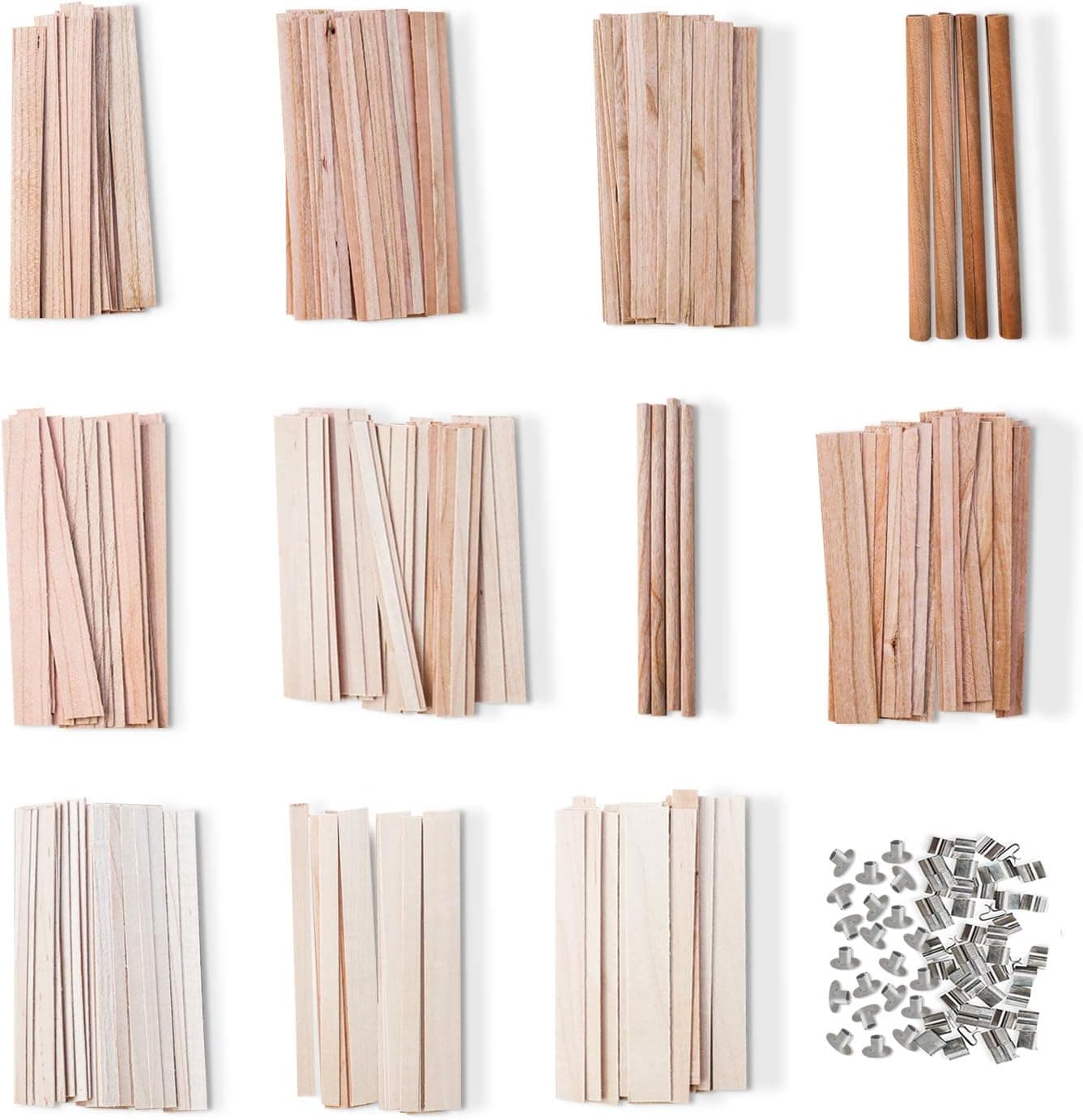
+ Eleven wick varieties allow proper side by side burn tests
From our guide: Best Candle Troubleshooting Supplies
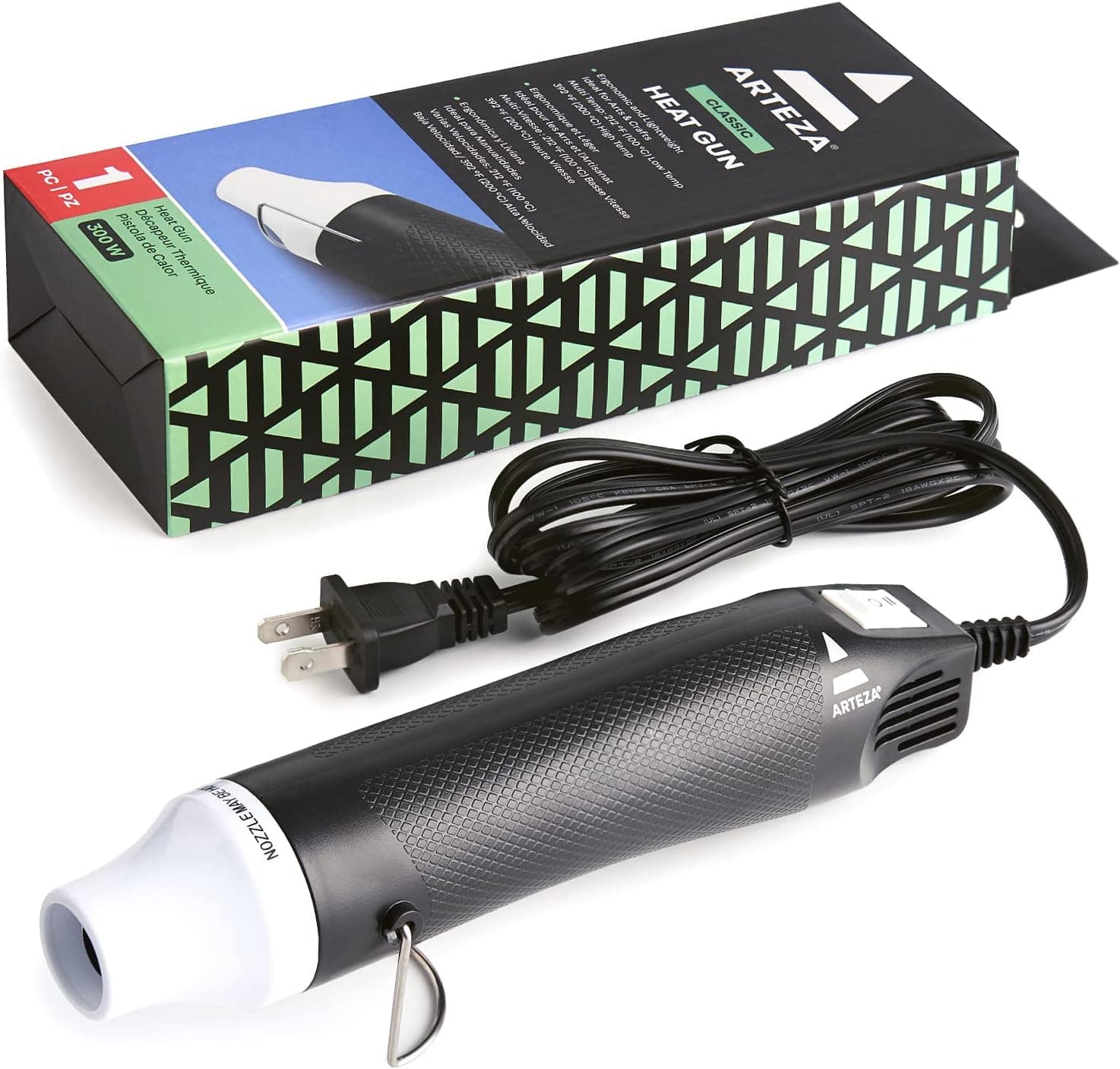
+ 212-392 Fahrenheit range is clearly stated for control
From our guide: Best Heat Guns for Candle Making
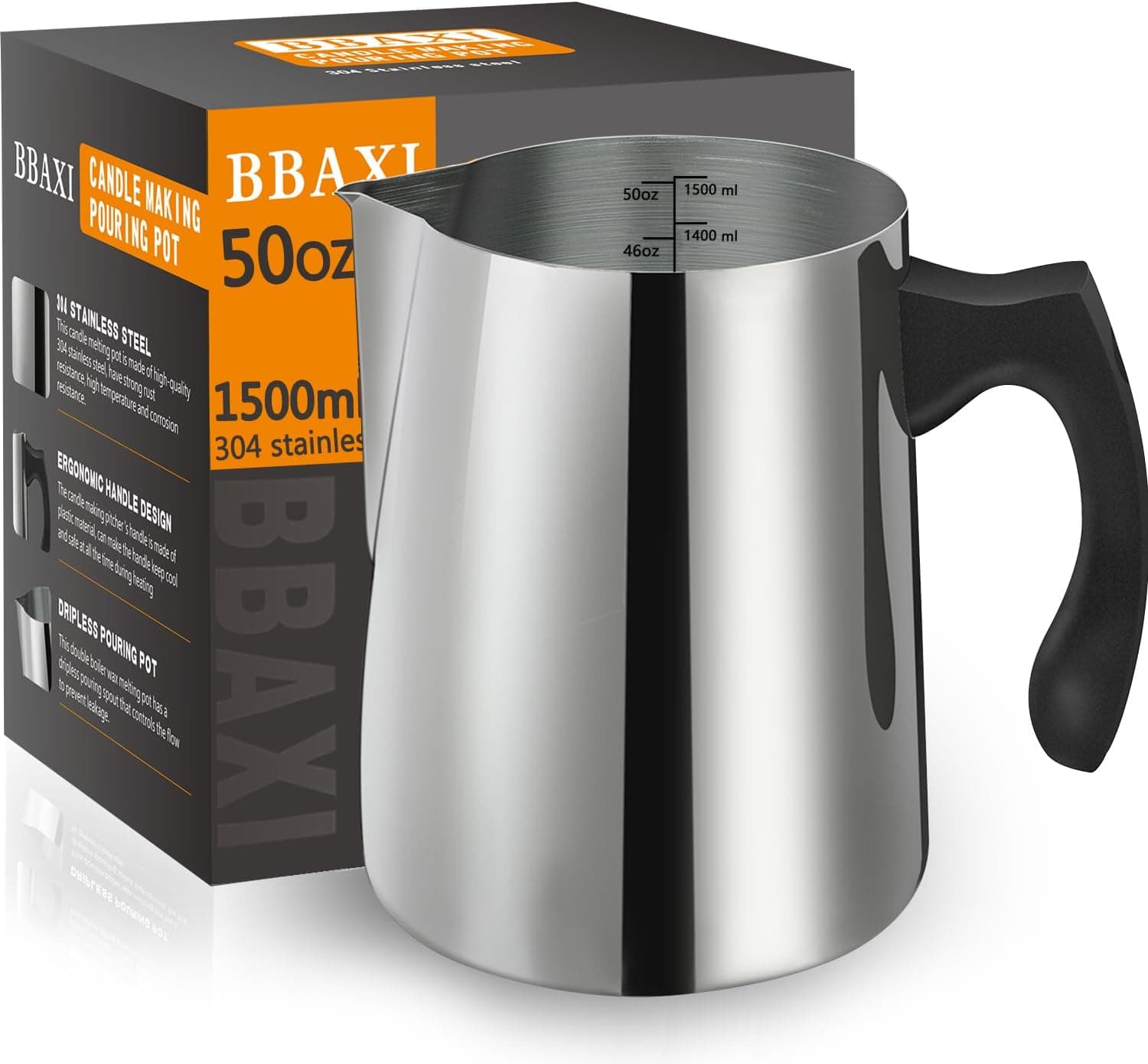
+ 304 stainless steel is sturdy and rust resistant
From our guide: Best Pouring Pitchers for Candle Making
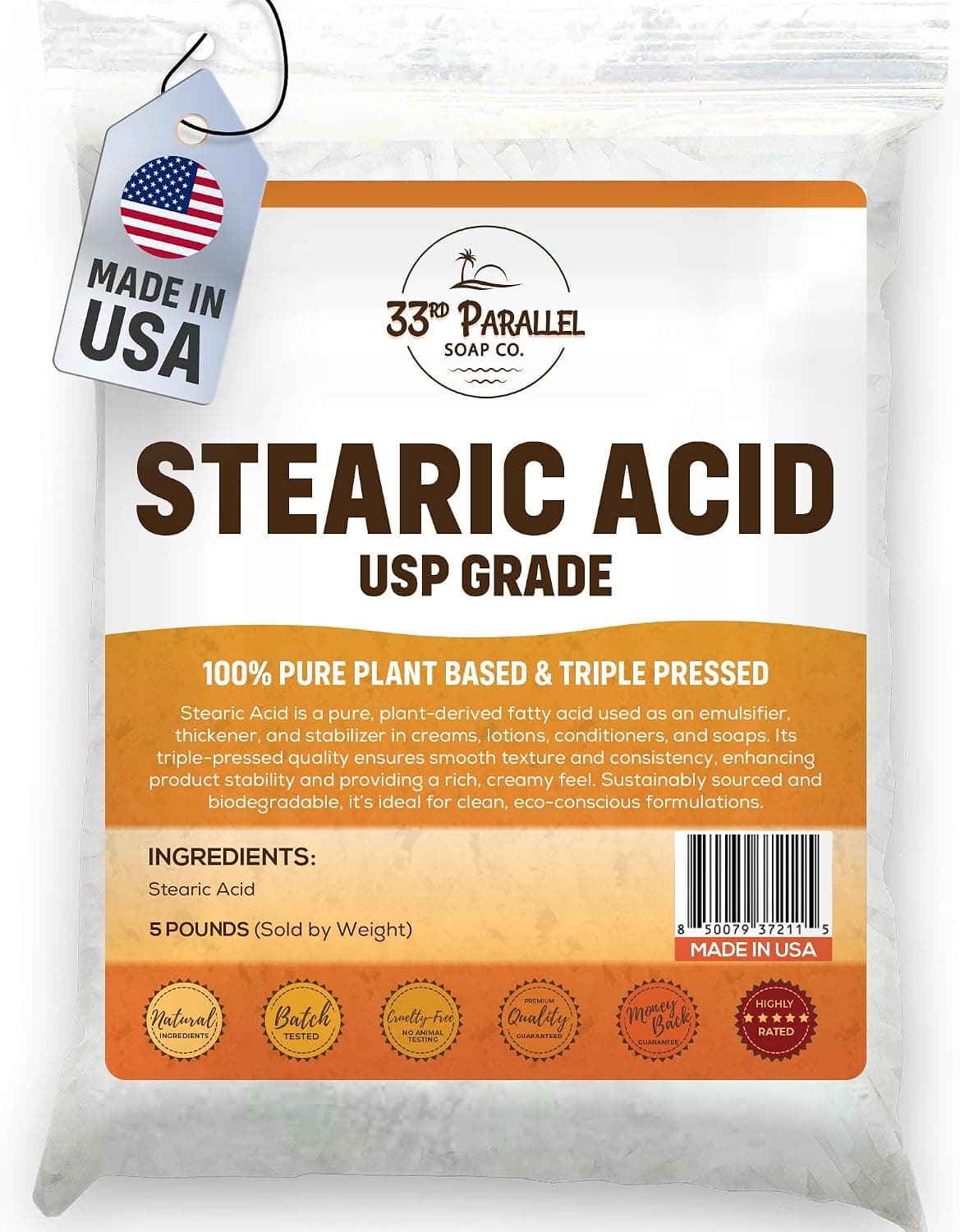
+ NF/USP grade suggests a clean, consistent material
From our guide: Best Candle Troubleshooting Supplies
Popular right now
- Packaging Candles for Shipping Without BreakageArticle
- Soy vs Beeswax vs Coconut WaxArticle
- Choosing Safe Vessels for Container CandlesArticle
- Best Ceramic Candle Vessels for a Premium LookBuying guide
- Labeling Candles for SaleArticle
- Burn Testing a New Candle Recipe From Start to FinishArticle
Based on the last 28 days of search and visitor data.