Fixing Tunnelling in Candles
Published How we research
Tunnelling is when a candle burns straight down the middle leaving a thick wall of unmelted wax around the edge. It wastes wax, it eventually drowns the wick in a deep well, and it makes the candle look and smell weak. There are two distinct causes and they need different fixes, so the first job is working out which one you have.
The first cause is underwicking. The wick simply does not produce enough heat to melt the wax across the full diameter of the vessel, so the melt pool never reaches the wall no matter how long the candle burns. You can identify this by burning a candle for four hours and measuring: if the melt pool has stalled well short of the wall and stopped growing, the wick is too small for that wax, that fragrance and that vessel. The fix is to go up a wick size and retest through a full burn cycle.
The second cause is burn habit. Wax has a memory of sorts, in the sense that the first burn sets the width of the pool that subsequent burns tend to follow. If the very first burn is cut short after an hour, the candle establishes a narrow pool and tends to repeat it. This is a user education issue rather than a manufacturing fault. The remedy is to burn the candle long enough on first light for the pool to reach the edge, typically three to four hours for a medium jar, and to trim the wick before each burn.
Before you resize a wick, rule out the boring explanations. A candle burning in a draught will pull the flame sideways and melt unevenly. A candle in a cold room needs longer to reach the wall. A vessel with unusually thick walls sinks heat. A wick that has drifted off centre will tunnel towards one side. Check these first, because changing the wick when the real problem is a draughty windowsill will lead you to an overwicked candle.
To rescue an already tunnelled candle at home, the low-tech method is the foil collar. Wrap aluminium foil around the top of the jar leaving an opening over the flame, which reflects heat back down onto the wax ledge and helps it melt level. Burn for an hour or two with the foil on, watching the candle continuously, then remove the foil and let the candle level out. Never leave a foil-wrapped candle unattended, keep the foil clear of the flame, and stop if the vessel becomes hot to the touch. A gentler alternative is to shave the excess wax from the ledge with a spoon and remelt it separately.
For prevention at the production end, the answer is a properly tested wick in a vessel with a sensible diameter. Very wide vessels are difficult to wick with a single wick and often need two or three wicks spaced evenly. Straight-sided vessels are easier than tapered ones. If a shape keeps tunnelling across several wick sizes, the shape may simply be a bad candle vessel regardless of how attractive it looks.
Finally, put the burn instructions on the product. A short care card or base label telling the customer to burn until the pool reaches the edge, to trim the wick to about a quarter inch each time, to burn no more than about four hours at a stretch, and never to leave a burning candle unattended will prevent a large share of tunnelling complaints. Most tunnelling reports from customers come from candles that were lit for twenty minutes at a time, not from bad wicking.
Products from this article
The highest-scoring picks from the buying guides mentioned above. Scores are our editorial assessment, not customer ratings.
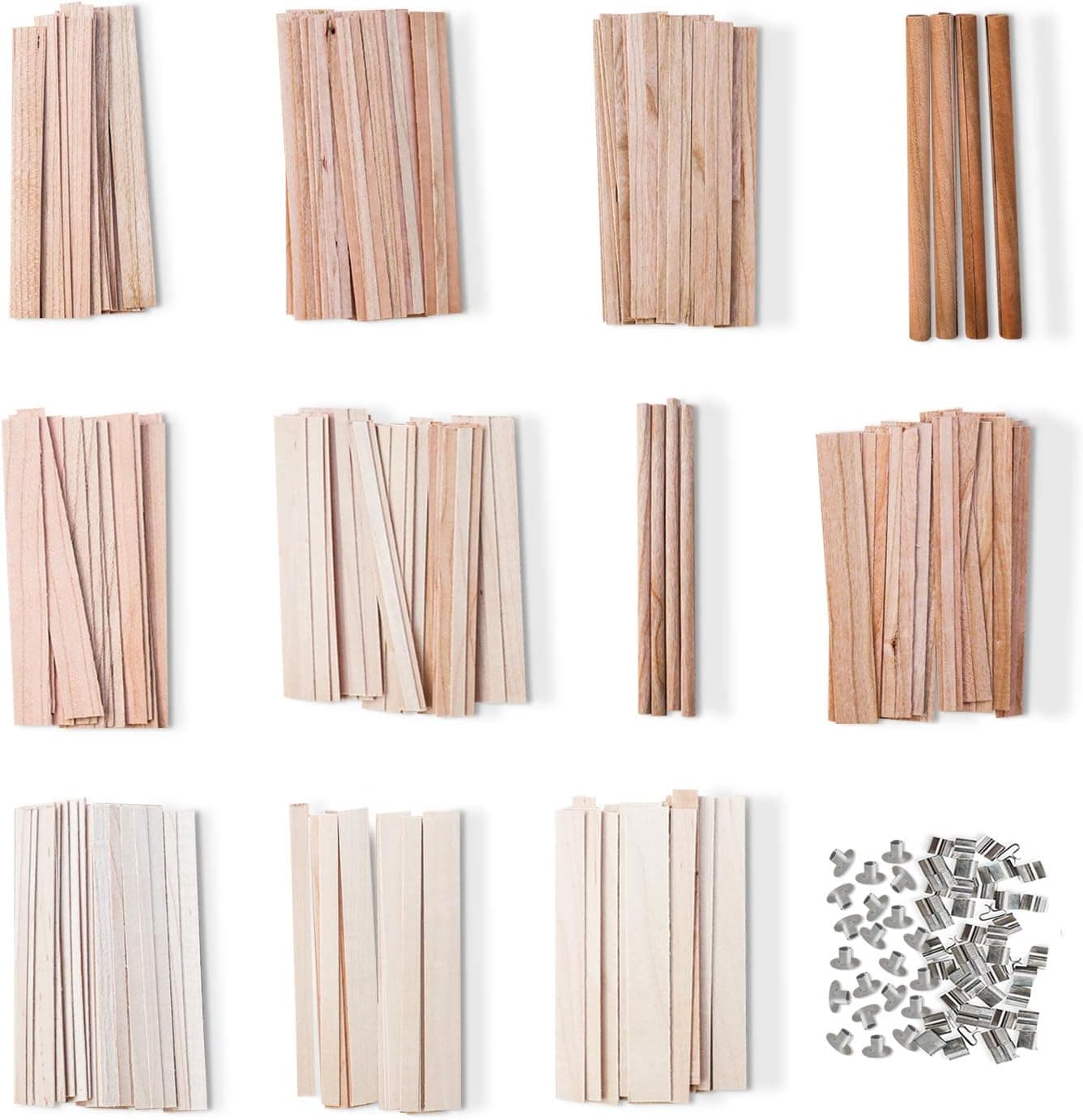
+ Eleven wick varieties allow proper side by side burn tests
From our guide: Best Candle Troubleshooting Supplies
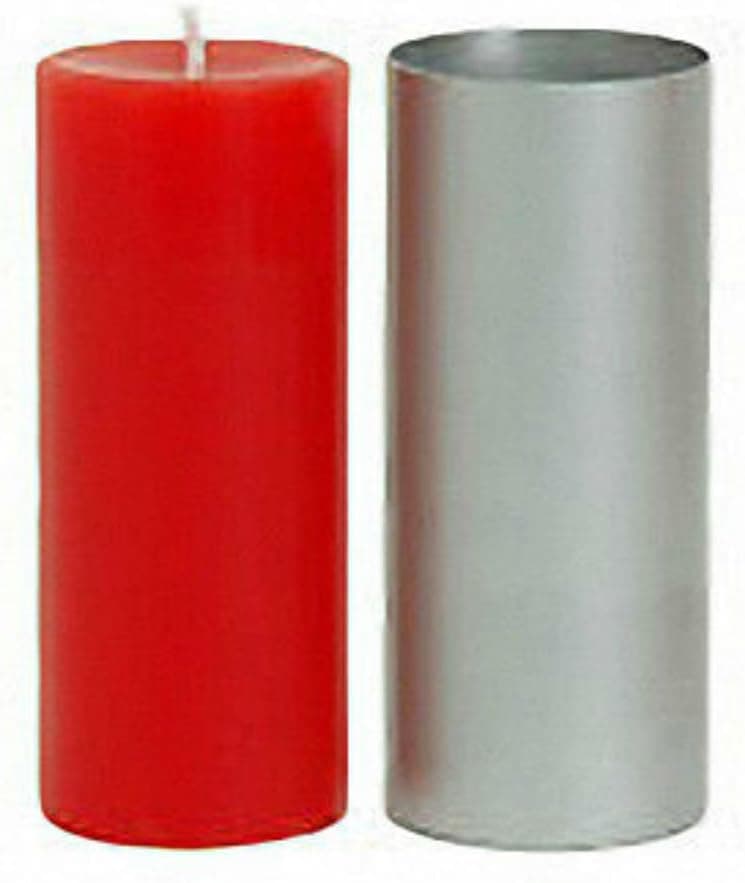
+ Choose your height to match the pillar look you want
From our guide: Best Pillar Candle Molds for Clean Freestanding Candles
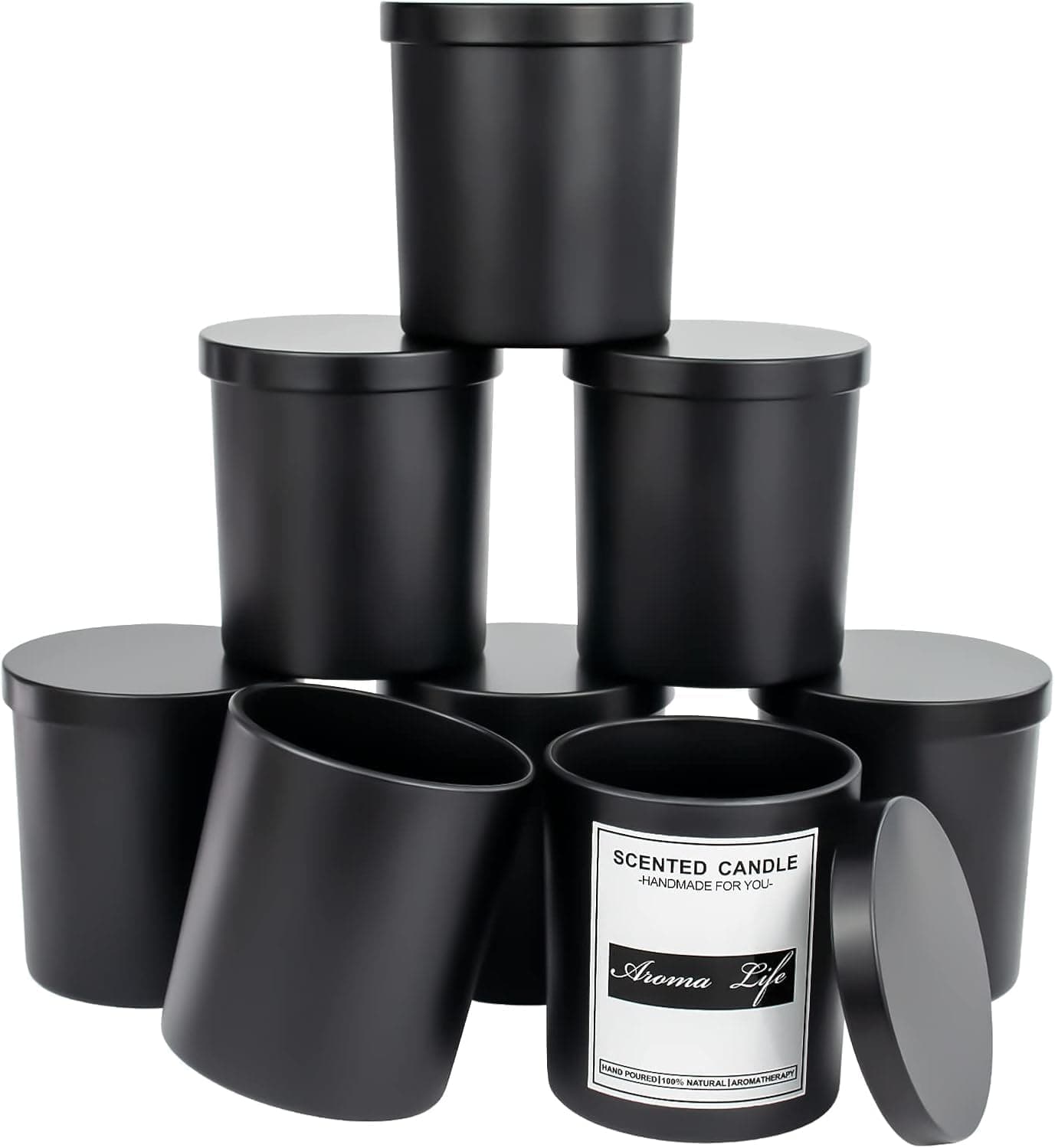
+ 12 pack with lids makes a cohesive retail candle line
From our guide: Best Ceramic Candle Vessels for a Premium Look
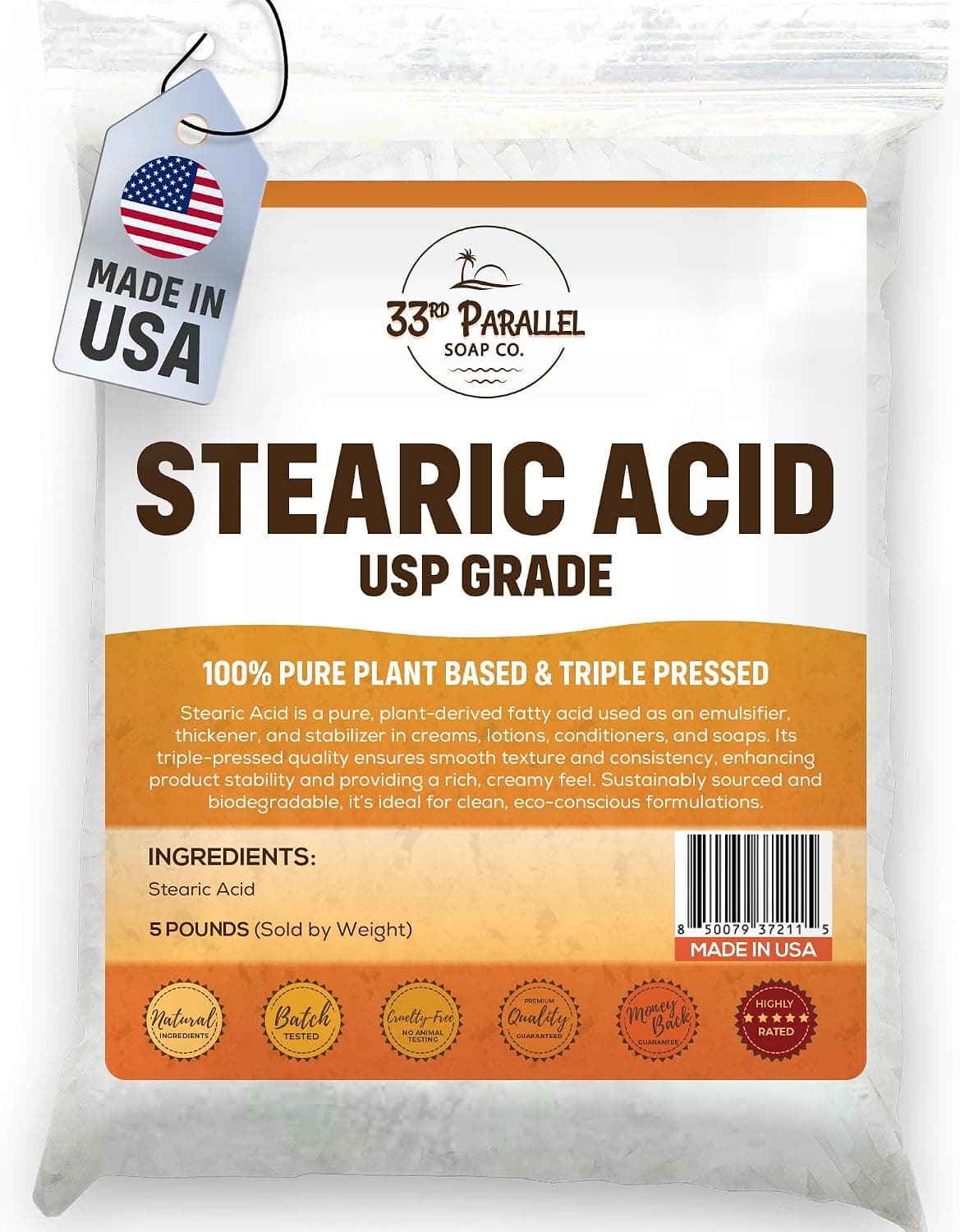
+ NF/USP grade suggests a clean, consistent material
From our guide: Best Candle Troubleshooting Supplies
Popular right now
- Packaging Candles for Shipping Without BreakageArticle
- Soy vs Beeswax vs Coconut WaxArticle
- Choosing Safe Vessels for Container CandlesArticle
- Best Ceramic Candle Vessels for a Premium LookBuying guide
- Labeling Candles for SaleArticle
- Burn Testing a New Candle Recipe From Start to FinishArticle
Based on the last 28 days of search and visitor data.